
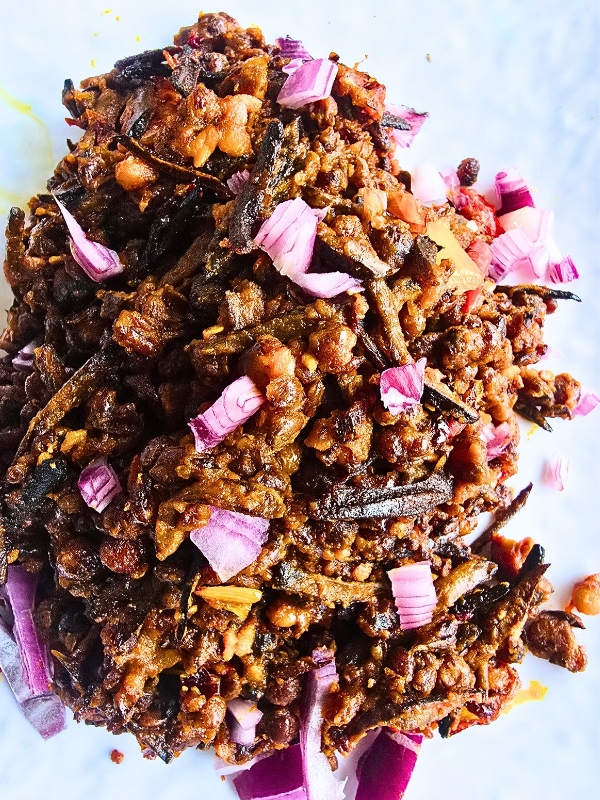
Pigeon Peas Recipe (How to Cook Traditional West African Beans); home cooked meal.
Pigeon peas, also called Cajanus cajan, are a versatile legume celebrated for their rich flavor, nutrition, and cultural significance. Furthermore, they are popular in African, Caribbean, and Latin American cuisines.
Pigeon peas provide a hearty protein boost, fiber, and essential vitamins, making them perfect for healthy, satisfying meals. It can be paired with Nigerian Cocoyam with Traditional Sauce or Simple Yam Porridge Recipe
The Village Feast – My Story
In many West African villages, pigeon peas symbolize community. During harvest festivals, families contribute ingredients, and everyone plays a part in the preparation.
One year, for instance, a young girl carefully prepared the peas with onions, palm oil, and peppers. Then, as the feast began, villagers marveled at the aroma, color, and rich flavor.
Consequently, this story demonstrates how careful preparation transforms simple ingredients into memorable, communal meals. Furthermore, it shows that food is not only nourishment but also a way to bring people together.
Meanwhile, the lively chatter, laughter, and anticipation enhanced the experience, making the dish even more meaningful.
If you’ve been searching for “how to cook pigeon peas in the US”, this guide not only walks you step-by-step through preparation, but it also shares tips for sourcing ingredients locally, adapting flavors, and maintaining authenticity in your kitchen.
Additionally, you will learn variations and substitutes to suit your taste and ingredient availability.
What Are Pigeon Peas?-Pigeon Peas Recipe
First, let’s understand what pigeon peas are. Pigeon peas are small, oval legumes in the Fabaceae family, similar to beans and lentils. Moreover, they feature a slightly nutty, earthy flavor that becomes more pronounced when simmered in oils or stews.
In addition, pigeon peas appear in different forms:
Dried pigeon peas: Firm and hearty, ideal for stews and rice dishes.
Green pigeon peas: Fresh, tender, slightly sweeter, and cooks faster.
Split pigeon peas (toor dal): Popular in Indian cooking; dehulled and cooks quickly.
For this recipe, we focus on dried pigeon peas, which hold their shape and absorb flavors exceptionally well.
Pigeon Peas Recipe (How to Cook West African Beans).
Equipment
- 1 Pressure Pot. For faster cooking of the pigeon peas recipe
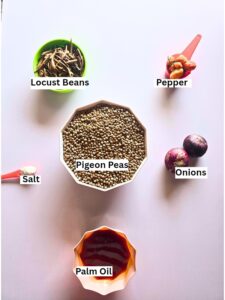
Ingredients
- 4 cups dried pigeon peas Use small dried red or brown pigeon peas, about ¼ cup per person.
- 2 bulbs bulbs onions Yellow or white onions, roughly ½ small onion per person.
- 1 cup habanero peppers Use 1 small habanero per 2–3 people for lighter heat, or substitute with red chili peppers (Capsicum annuum).
- 1 medium fermented oil bean Optional, use about ½–1 cup depending on taste.
- 1 teaspoon salt 1 teaspoon divided between boiling and sautéing.
- 1 cup palm oil Use ½ cup for 6 servings for a lighter version.
Instructions
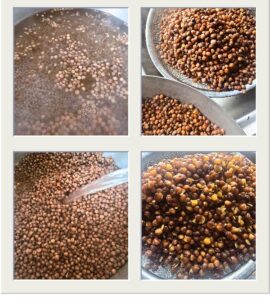
- Sort and Wash the Beans: First, pick out any dirt, stones, or discolored beans. Then, wash thoroughly under running water. Meanwhile, bring a large pot of water to a boil and add ½ teaspoon salt along with the pigeon peas. Boil for 30 minutes before draining. This step softens the peas and removes any bitterness.

- Cook the Pigeon Peas: After draining, return the beans to a clean pot. Next, cover with fresh water and simmer on medium heat until tender, usually 40–60 minutes, depending on the bean’s freshness. Additionally, stir occasionally and monitor the water level to prevent sticking.

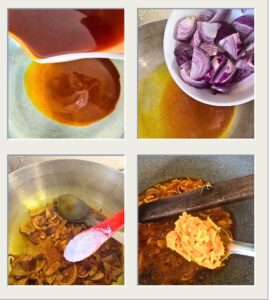
- Prepare the Palm Oil Base: Meanwhile, heat 1 medium cup of palm oil in another pot. Then, add onions, habanero peppers, and the remaining salt. Sauté for 1–2 minutes to release the aroma. If you use fermented oil beans, add them now to enhance the authentic taste.
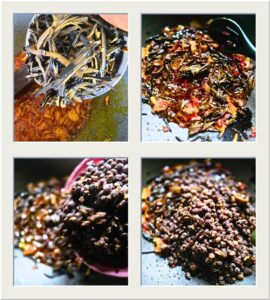
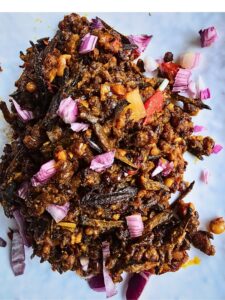
- Combine and Simmer: Next, pour the tender pigeon peas into the palm oil mixture. Then, stir gently to coat all the peas evenly. Allow simmering for 10–15 minutes, letting the flavors blend.
- Serve and Enjoy: Finally, serve pigeon peas with: yam, or plantains, Grilled or baked meats. As a result, you get a colorful, flavorful meal that pairs well with both traditional and modern sides.
Notes
Ingredients You Need-Pigeon Peas Recipe
Next, gather the following ingredients, which are accessible at US grocery stores or online retailers like Whole Foods, Walmart, or Amazon Pantry:
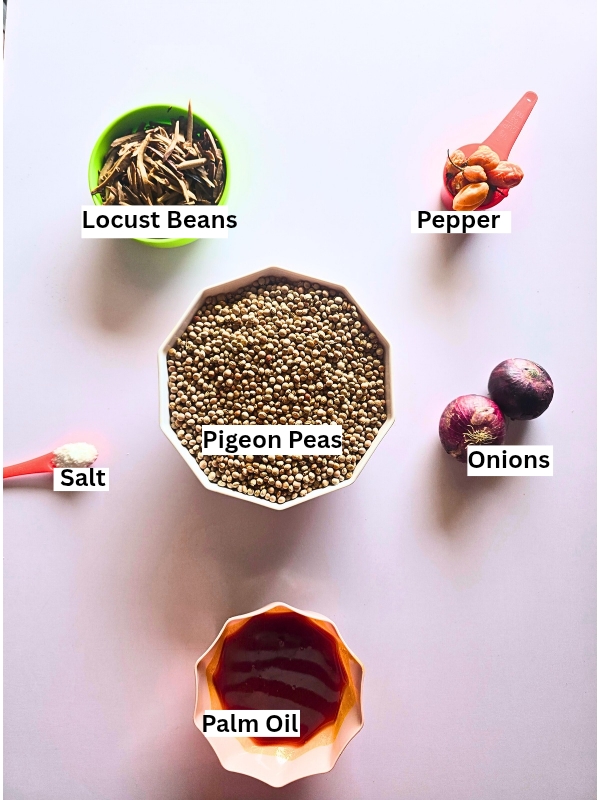
4 small cups dried pigeon peas
2 bulbs onions, roughly chopped
1 small cup habanero peppers (or substitute with red chili peppers for milder heat)
1 medium cup fermented oil bean (optional; substitute with miso paste if unavailable)
1 teaspoon salt, divided
1 medium cup palm oil
These ingredients are straightforward. However, when combined, they create a deeply flavorful dish that reflects West African cooking traditions.
Step-by-Step Pigeon Peas Recipe
Now, let’s dive into cooking. Use these steps to ensure tender, flavorful pigeon peas.
1. Sort and Wash the Beans
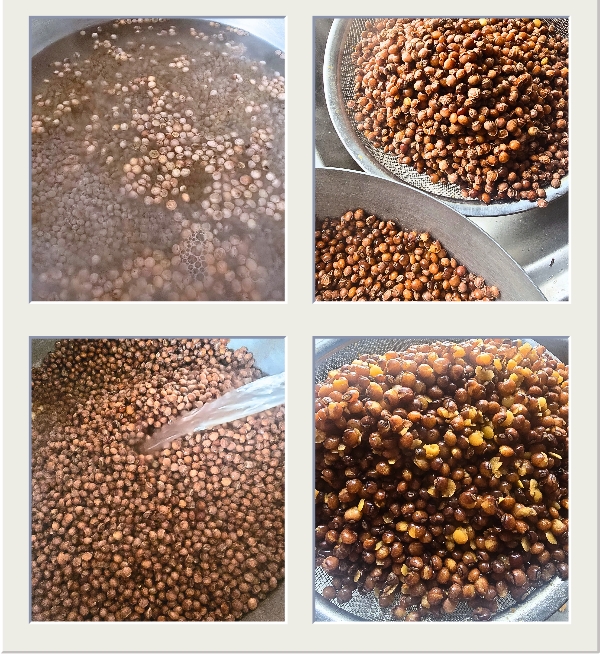
First, pick out any dirt, stones, or discolored beans. Then, wash thoroughly under running water. Meanwhile, bring a large pot of water to a boil and add ½ teaspoon salt along with the pigeon peas. Boil for 30 minutes before draining. This step softens the peas and removes any bitterness.
Tip for US kitchens: If you are short on time, soak the beans overnight. As a result, they cook more evenly and reduce total cooking time.
2. Cook the Pigeon Peas
After draining, return the beans to a clean pot. Next, cover with fresh water and simmer on medium heat until tender, usually 40–60 minutes, depending on the bean’s freshness. Additionally, stir occasionally and monitor the water level to prevent sticking.
Pro tip: Use a pressure cooker or Instant Pot to cut cooking time in half without losing flavor.
3. Prepare the Palm Oil Base
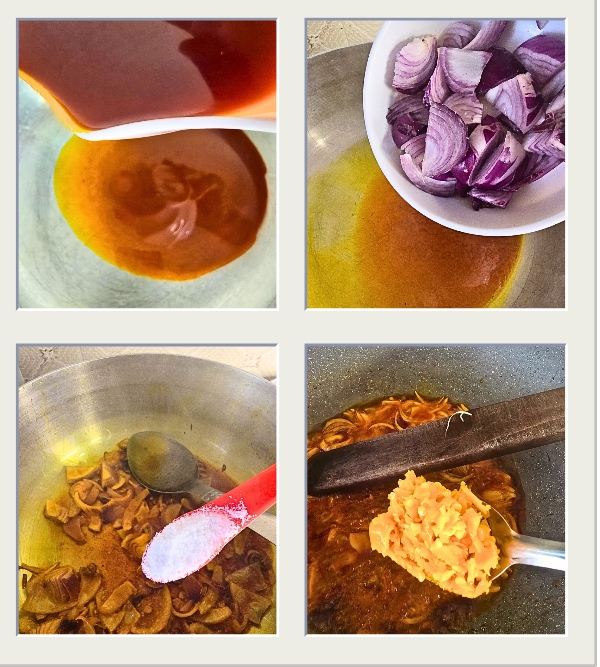
Meanwhile, heat 1 medium cup of palm oil in another pot. Then, add onions, habanero peppers, and the remaining salt. Sauté for 1–2 minutes to release the aroma. If you use fermented oil beans, add them now to enhance the authentic taste.
US kitchen substitute: If palm oil is unavailable, substitute coconut oil or avocado oil. However, note that the flavor will slightly differ.
4. Combine and Simmer
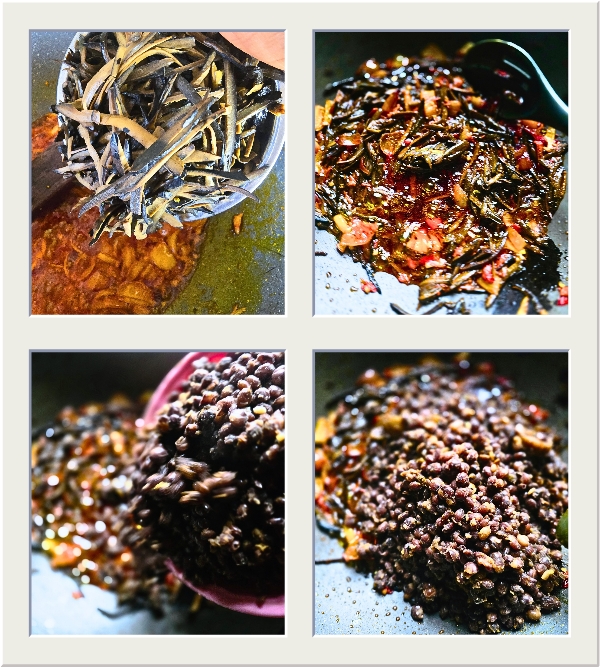
Next, pour the tender pigeon peas into the palm oil mixture. Then, stir gently to coat all the peas evenly. Allow simmering for 10–15 minutes, letting the flavors blend.
Optional Add-ins:
Chopped tomatoes for tanginess
Bell peppers for color
Fresh herbs like parsley or thyme
Meanwhile, stir occasionally to prevent sticking and ensure even flavor distribution.
5. Serve and Enjoy
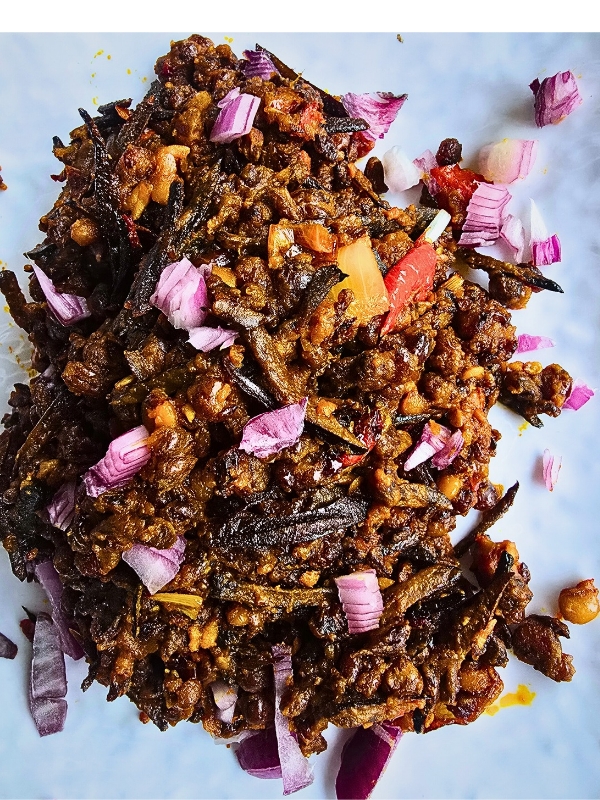
Finally, serve pigeon peas with:
White or brown rice
yam, or plantains
Grilled or baked meats
As a result, you get a colorful, flavorful meal that pairs well with both traditional and modern sides.
Frequently Asked Questions About Pigeon Peas
1. What is pigeon pea called in Nigeria?
In Nigeria, pigeon peas are commonly called Fio Fio in Igbo and Agbugbu in some other southeastern regions. They are a staple in many traditional Nigerian dishes.
2. What is pigeon peas good for?
Pigeon peas provide high-quality plant protein, fiber, and essential minerals. They support digestive health, boost energy, and help maintain healthy blood sugar levels.
3. What is the difference between peas and pigeon peas?
Unlike regular garden peas, pigeon peas (Cajanus cajan) are hardier, drought-tolerant legumes with a nutty flavor. They take longer to cook but contain more protein and fiber per serving.
4. What does pigeon pea taste like?
Pigeon peas have a mildly nutty, earthy flavor with subtle sweetness. When cooked in palm oil and spices, they absorb surrounding flavors, making them rich and savory.
5. Pigeon peas in Hindi
In Hindi, pigeon peas are called अरहर (Arhar) or तुअर दाल (Toor Dal), widely used in Indian dals and stews.
6. Pigeon peas in Indian name
Across India, they are mostly known as Toor Dal, Arhar Dal, or Red Gram. These terms are interchangeable depending on the region.
7. Pigeon peas in Urdu
In Urdu, pigeon peas are referred to as توَر دال (Toor Dal) and are a common ingredient in traditional Pakistani curries and soups.
8. Pigeon peas benefits
Pigeon peas improve digestion, support heart health, and strengthen bones. They are rich in protein, iron, potassium, and antioxidants, making them an excellent addition to a balanced diet.
You May Also Like:
About The Author

Where can I can get this in UK?