
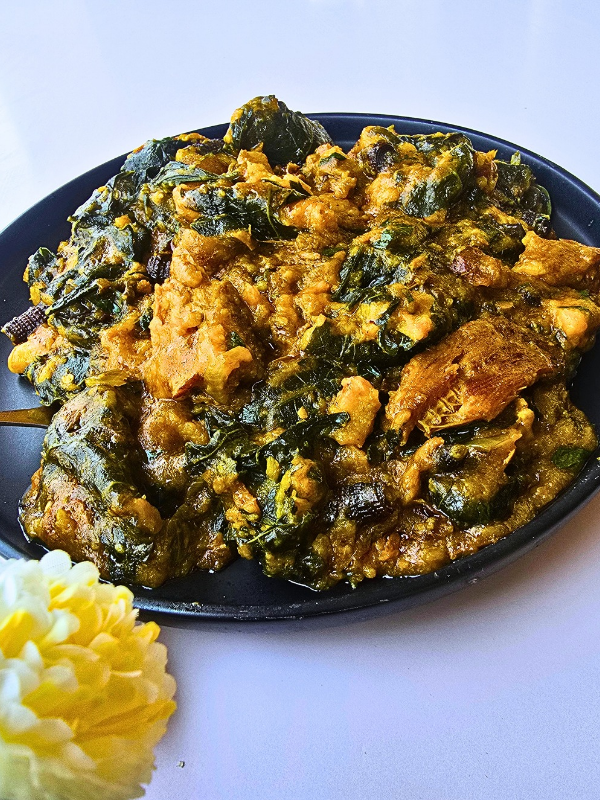
Ikpankwowo Food In Nigeria (How to Make Ikpankwowo).
Equipment
- 1 Blender Blender for blending the cocoyam and water yam.
Ingredients
- 3 whole Cocoyam (Large) Use fresh cocoyam for a smooth, thick paste; it forms the base of this Nigerian cocoyam recipe and determines the final texture.
- 1 whole Water yam Adds elasticity and softness to the paste, making it easier to wrap and improving the overall consistency.
- 1/2 kilo Beef Adds richness and depth; cook until tender before adding to the dish.
- 1/4 kilo Cow skin Provides a chewy texture that complements the soft dumplings
- 2 cups Periwinkle or shellfish Adds a unique coastal flavor and authenticity to this Efik and Ibibio dish.
- 2 whole Dried fish Gives a smoky, traditional flavor; ensure it is well cleaned and deboned.
- 1 cup Crayfish Acts as a natural seasoning, adding a deep seafood taste common in Nigerian recipes.
- 1 bunch Pumpkin leaves Traditionally used for wrapping; they hold the paste firmly and add a mild earthy flavor to the dish.
- 15 whole Scent leaves Enhances aroma and gives the dish a distinct Nigerian flavor; add towards the final stage for best results.
- 2 cups Palm oil Provides the rich color and deep flavor that defines authentic Ekpang Nkukwo; do not skip for traditional taste.
- 1 cup Fresh pepper Adds heat and balance; adjust quantity based on your spice preference.
- 2 whole Onions Builds the flavor base and enhances the overall taste of the palm oil sauce.
- 2 whole Stock cubes Boosts umami and brings all ingredients together; use moderately to avoid overpowering the dish.
- 1 tablespoon Salt Enhances flavor; add gradually and taste as you cook.
Instructions
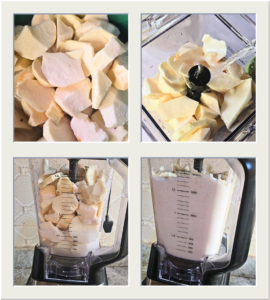
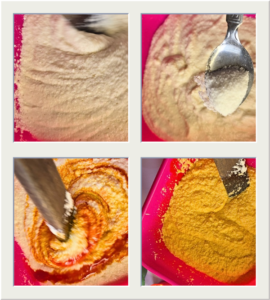
- Step 1: Prepare the Cocoyam Paste: First, wash, peel, and cut the cocoyam and water yam into small pieces. Then, blend them with a small amount of water until smooth. After blending, pour the mixture into a large bowl. Next, add a pinch of salt and a small amount of palm oil. Then mix thoroughly until the paste becomes thick, smooth, and slightly stretchy. At this stage, the base must hold shape because this determines the final texture of the dish.

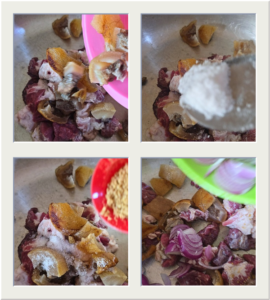
- Step 2: Prepare Meat, Fish, and Vegetable: Next, wash the beef and cow skin thoroughly. Then season them with onions, salt, and stock cubes. After seasoning, steam the meat until it becomes tender and flavorful. Meanwhile, wash and debone the dried fish carefully to avoid bones in the final dish. At the same time, wash pumpkin leaves and scent leaves thoroughly. Then drain them properly and set them aside for wrapping and finishing.
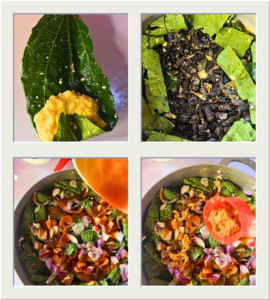
- Step 3: Wrap and Arrange the Dumplings: Now begin the wrapping process. First, scoop small portions of cocoyam paste. Then place each portion onto a pumpkin leaf. After that, fold the leaf tightly to fully enclose the paste. As you repeat this step, ensure each wrap is firm but not overly compressed. Next, place each wrapped piece gently into a large pot. Although this step takes time, it defines the identity of Ekpang Nkukwo and gives it its traditional structure.
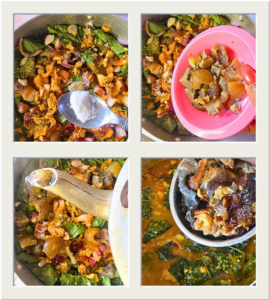
- Step 4: Layer the Pot and Add Seasoning: First, wash the periwinkle thoroughly. Then place it at the bottom of the pot. Next, arrange the wrapped cocoyam dumplings neatly on top. After that, add palm oil, chopped onions, pepper, salt, and stock cubes evenly across the pot. Because flavor balance matters, ensure seasoning spreads across all layers instead of concentrating in one area.
- Step 5: Add Hot Water and Cook: Next, boil water separately. Then pour it gently from the side of the pot. Do not pour directly onto the wraps because they may break apart. After adding hot water, place the pot on heat immediately. Then allow it to cook for about 15–20 minutes. During this stage, the cocoyam thickens, the flavors combine, and the dumplings firm up.
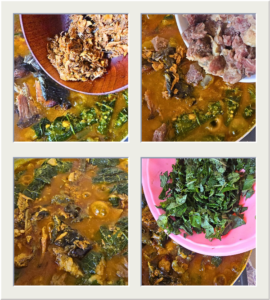
- Step 6: Final Additions and Serving: After cooking, open the pot carefully. Then stir gently to avoid breaking the wraps. Next, add steamed meat, dried fish, crayfish, and scent leaves. After that, allow the dish to simmer for a few more minutes so all flavors blend properly. Finally, turn off the heat and serve hot. At this stage, Ekpang Nkukwo becomes rich, aromatic, and fully developed.
Notes
Always pour hot water from the side of the pot, not directly on the wraps, to prevent breakage.
If pumpkin leaves (ugu) are unavailable, you can substitute with spinach or kale for a similar texture.
Avoid adding too much water, as excess liquid can make the dish watery and affect the final texture.
Stir gently after cooking to maintain the structure of the wrapped dumplings.
This Ikpankwowo recipe tastes even better after resting, as the flavors continue to blend.
Ekpang nkukwo Ingredients
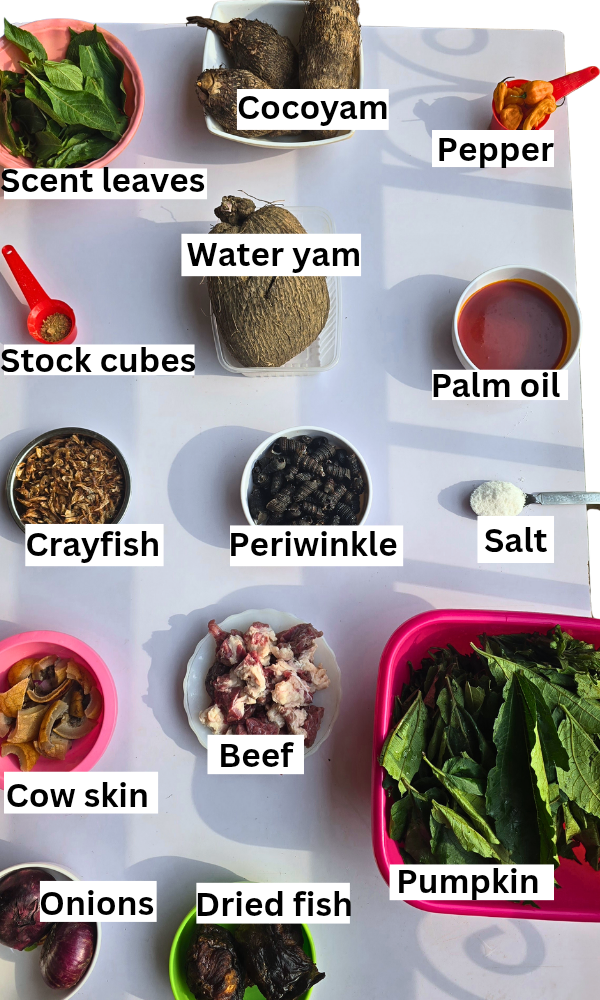
Ekpang Nkukwo uses simple and natural ingredients. However, when combined properly, they create deep, layered flavor.
Base Ingredients
- Cocoyam
- Water yam (optional for smoother texture and elasticity)
Protein Ingredients
- Beef
- Cow skin
- Periwinkle or shellfish
- Dried fish
- Crayfish
Vegetables and Herbs
- Pumpkin leaves (ugu)
- Scent leaves
Flavor Base
- Palm oil
- Fresh pepper
- Onions
- Stock cubes
- Salt
Each ingredient plays a specific role. Cocoyam provides structure, palm oil adds richness, seafood builds depth, and leafy vegetables bring freshness and balance. Together, they create a complex but harmonious dish.
Step-by-Step Cooking Preparation of Ikpankwowo Food In Nigeria
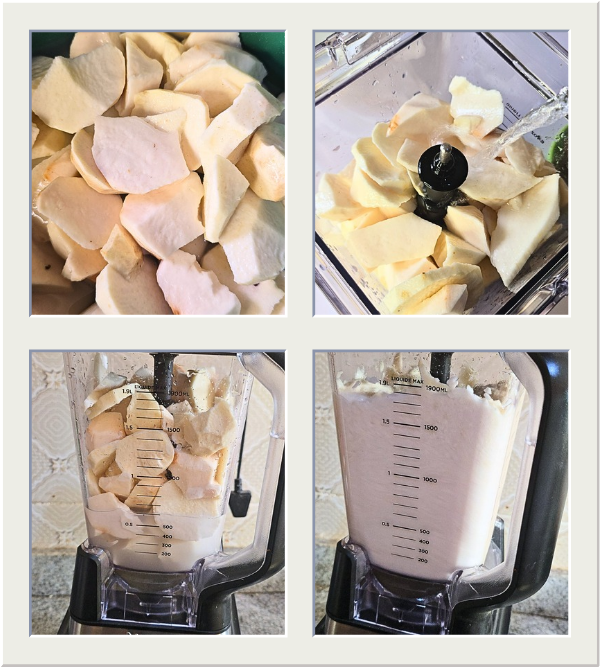
Step 1: Prepare the Cocoyam Paste for Ikpankwowo Food In Nigeria (Authentic Efik Dish)
First, wash, peel, and cut the cocoyam and water yam into small pieces. Then, blend them with a small amount of water until smooth.
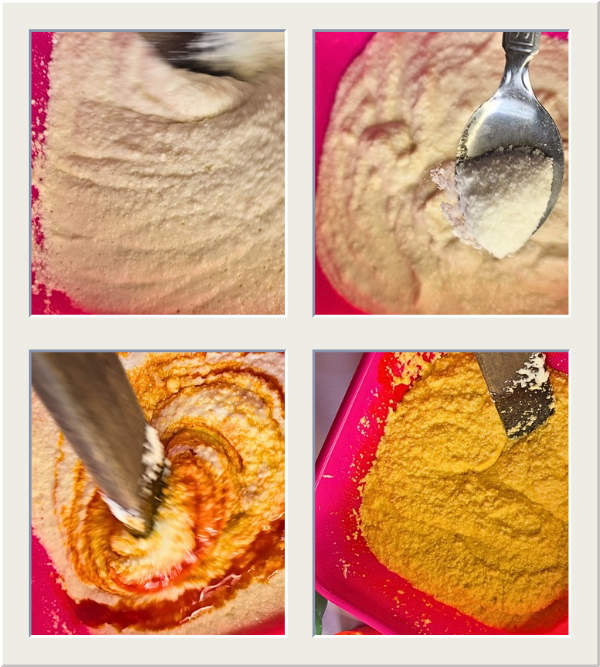
After blending, pour the mixture into a large bowl. Next, add a pinch of salt and a small amount of palm oil. Then mix thoroughly until the paste becomes thick, smooth, and slightly stretchy.
At this stage, the base must hold shape because this determines the final texture of the dish.
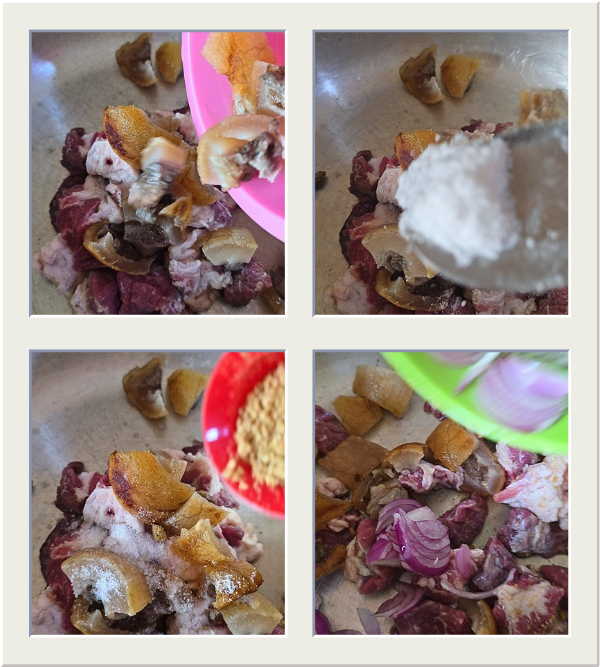
Step 2: Prepare Meat, Fish, and Vegetables for Ikpankwowo Food In Nigeria (How to Make Ikpankwowo).
Next, wash the beef and cow skin thoroughly. Then season them with onions, salt, and stock cubes.
After seasoning, steam the meat until it becomes tender and flavorful.
Meanwhile, wash and debone the dried fish carefully to avoid bones in the final dish.
At the same time, wash pumpkin leaves and scent leaves thoroughly. Then drain them properly and set them aside for wrapping and finishing.
Step 3: Wrap and Arrange the Dumplings for Ikpankwowo Food In Nigeria (Authentic Efik Dish)
Now begin the wrapping process.
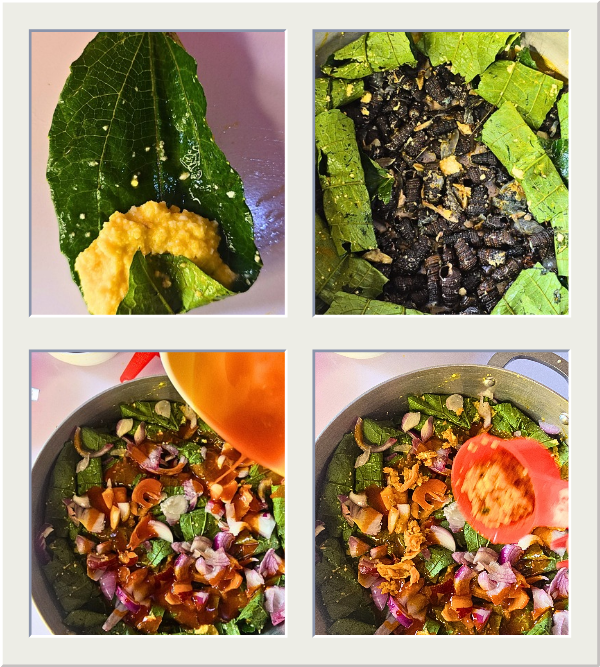
First, scoop small portions of cocoyam paste. Then place each portion onto a pumpkin leaf.
After that, fold the leaf tightly to fully enclose the paste. As you repeat this step, ensure each wrap is firm but not overly compressed.
Next, place each wrapped piece gently into a large pot.
Although this step takes time, it defines the identity of Ekpang Nkukwo and gives it its traditional structure.
Step 4: Layer the Pot and Add Seasoning
First, wash the periwinkle thoroughly. Then place it at the bottom of the pot.
Next, arrange the wrapped cocoyam dumplings neatly on top.
After that, add palm oil, chopped onions, pepper, salt, and stock cubes evenly across the pot.
Because flavor balance matters, ensure seasoning spreads across all layers instead of concentrating in one area.
Step 5: Add Hot Water and Cook
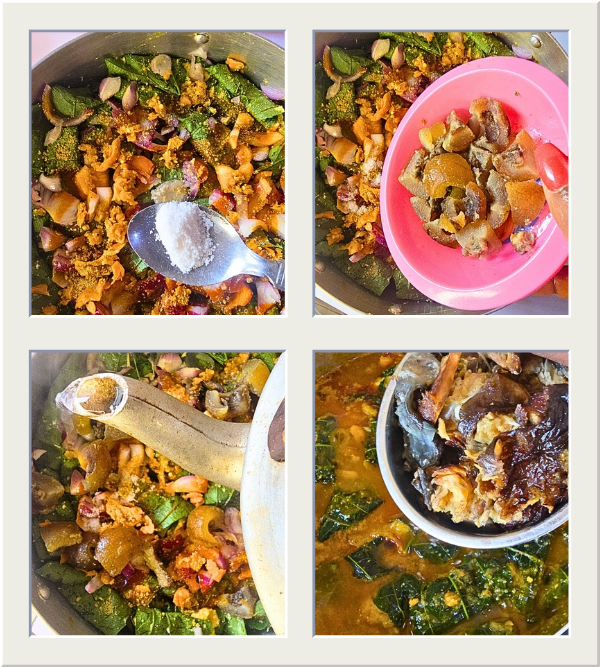
Next, boil water separately. Then pour it gently from the side of the pot.
Do not pour directly onto the wraps because they may break apart.
After adding hot water, place the pot on heat immediately.
Then allow it to cook for about 15–20 minutes. During this stage, the cocoyam thickens, the flavors combine, and the dumplings firm up.
Step 6: Final Additions and Serving
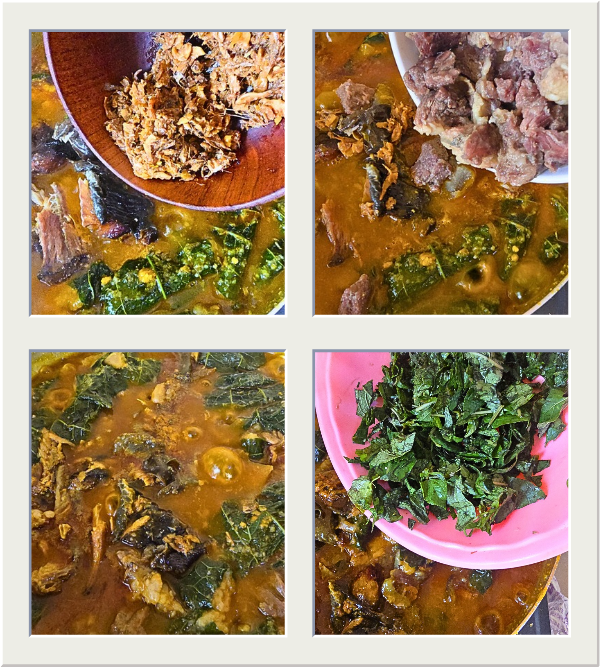
After cooking, open the pot carefully.
Then stir gently to avoid breaking the wraps.
Next, add steamed meat, dried fish, crayfish, and scent leaves.
After that, allow the dish to simmer for a few more minutes so all flavors blend properly.
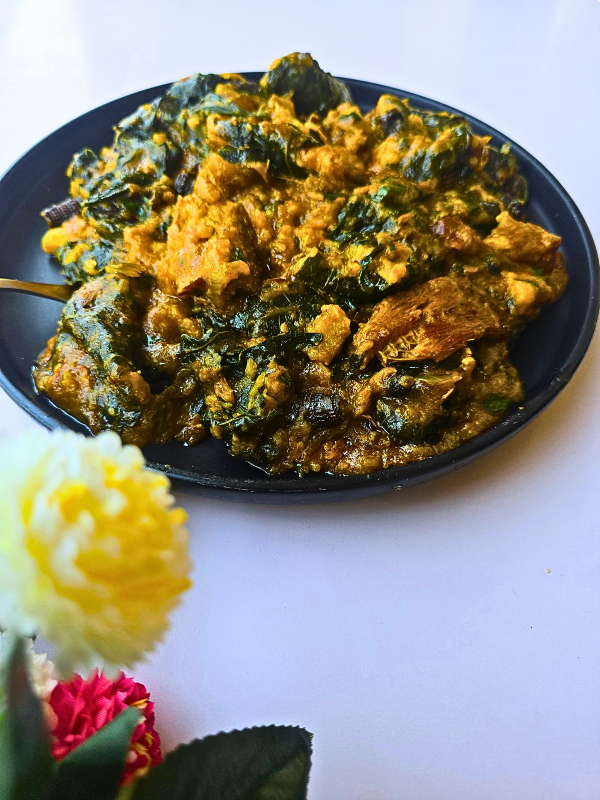
Finally, turn off the heat and serve hot.
At this stage, Ekpang Nkukwo becomes rich, aromatic, and fully developed.
A Modern Simplified Version (Beginner-Friendly) on how to prepare Ikpankwowo Food In Nigeria (Authentic Efik Dish)
Although the traditional method delivers the best cultural experience, it requires time and patience. Therefore, a simplified version helps beginners enjoy the dish more easily.
Simplified Ingredients
- Taro root
- Spinach or kale
- Shrimp powder or crayfish
- Pre-cooked beef or chicken
- Mussels or clams
- Palm oil
- Onion, pepper, seasoning
Simplified Method
First, blend taro into a smooth paste and season lightly.
Next, skip the wrapping process completely.
Instead, scoop small portions directly into the pot like dumplings.
Meanwhile, prepare the base using palm oil, onions, pepper, and seafood.
After that, add hot water from the side of the pot.
Then cook for 15–20 minutes until the dumplings firm up.
Finally, add protein and greens, simmer briefly, and serve hot.
This version works perfectly for beginners and busy cooks.
Cultural Meaning of Ekpang Nkukwo
Ekpang Nkukwo holds deep cultural importance among the Efik and Ibibio people. Instead of being just food, it symbolizes unity, patience, and collective effort.
Families often prepare it together. Elders supervise seasoning, adults handle preparation, and younger members assist with wrapping. Because of this teamwork, the dish becomes a shared cultural experience.
Traditionally, people serve it during:
- Weddings
- Festivals
- Naming ceremonies
- Family gatherings
Because of its importance, Ekpang Nkukwo represents celebration, identity, and hospitality.
Taste, Texture, and Experience
Ekpang Nkukwo delivers a rich and layered taste experience.
First, palm oil gives warmth and depth. Then cocoyam adds softness and body. After that, seafood and meat introduce savory complexity.
Meanwhile:
- Pepper adds heat
- Leaves add freshness
- Stock cubes enhance umami
The texture also stands out. The dumplings feel soft yet structured, while the broth remains rich and flavorful. As a result, every bite feels complete and satisfying.
Common Mistakes to Avoid on Ikpankwowo Food In Nigeria (Authentic Efik Dish)
Even though the recipe is simple, mistakes can affect the result.
First, avoid adding too much water because it weakens the dumplings.
Second, avoid pouring water directly on the wraps because they will break.
Third, avoid over-stirring because it destroys texture.
In addition:
- Skipping palm oil reduces authenticity
- Poor wrapping leads to leakage
Because of this, careful cooking improves results significantly.
Substitutes for International Cooking Ikpankwowo Food In Nigeria (Authentic Efik Dish)
For global kitchens, substitutions make the dish easier to prepare:
- Cocoyam → Taro root
- Ugu leaves → Spinach or kale
- Periwinkle → Mussels or clams
- Scent leaves → Basil
As a result, cooks in the US, UK, and other countries can easily recreate it.
Why Ikpankwowo Food Is Budget-Friendly
Although Ekpang Nkukwo tastes rich, it remains affordable.
Cocoyam and taro are inexpensive. Leafy greens are widely available. Additionally, small protein portions go a long way.
Therefore, it works well for budget-friendly meal planning without sacrificing nutrition or flavor.
Nutritional Benefits
Ekpang Nkukwo provides a balanced meal.
- Cocoyam supplies energy and fiber
- Leafy vegetables provide vitamins
- Protein supports muscle health
- Palm oil provides healthy fats in moderation
As a result, it supports overall wellness when eaten as part of a balanced diet.
Storage and Reheating Tips of Ikpankwowo Food
First, allow the dish to cool completely. Then store it in airtight containers and refrigerate for up to three days.
For longer storage, freeze in portions.
When reheating, use low heat and stir gently to preserve texture.
Frequently Asked Questions on Epang Dish
1. What Is Ikpankwowo Food in Nigeria?
Ikpankwowo is a traditional Nigerian food recipe made from cocoyam and widely known as Ekpang Nkukwo among the Efik and Ibibio people.
It features smooth cocoyam paste wrapped in pumpkin leaves and cooked in a rich palm oil sauce with seafood, meat, and local spices.
Interestingly, this Nigerian delicacy is more than just a meal.
Instead, families prepare it during weddings, festivals, and special gatherings. Because of this, Ikpankwowo food in Nigeria represents culture, patience, and unity while also gaining attention as a must-try African food recipe globally.
2. How to Make Ikpankwowo Food Recipes (Step-by-Step Guide)
If you want to learn how to make Ikpankwowo food recipes, start by blending cocoyam (and optional water yam) into a smooth paste. Then, season and cook your meat while preparing fish, crayfish, and vegetables.
Next, scoop small portions of the paste and wrap them in pumpkin leaves. After that, arrange the wraps in a pot and layer with palm oil, pepper, onions, and seasoning to build a rich Nigerian flavor base.
Then, carefully add hot water from the side and cook for about 15–20 minutes. Finally, add seafood and scent leaves, then allow it to simmer. As a result, you get a rich, aromatic Ikpankwowo recipe that is perfect for both beginners and lovers of traditional Nigerian food.
3. What Is Ekpang Nkukwo Food and Why Is It Popular?
Ekpang Nkukwo food is a traditional Nigerian cocoyam recipe cooked in a flavorful palm oil sauce with seafood and meat. Unlike many modern dishes, it uses fresh, natural ingredients and a hands-on cooking method that makes it stand out.
Today, however, its popularity continues to grow beyond Nigeria. Many food lovers now search for Ekpang Nkukwo as an authentic African food experience. In addition, its rich taste, cultural value, and unique preparation make it one of the most talked-about Nigerian recipes online.
4. What Are the Ingredients for Ekpang Nkukwo Food?
The ingredients for Ekpang Nkukwo food are simple, yet they create a rich and satisfying Nigerian meal. The base includes cocoyam and optional water yam, which give the dish its soft texture.
For protein, this Nigerian recipe uses beef, cow skin, dried fish, crayfish, and periwinkle. Meanwhile, pumpkin leaves and scent leaves add freshness and balance.
To enhance flavor, palm oil, fresh pepper, onions, seasoning cubes, and salt are essential. When combined properly, these ingredients form a deeply flavorful Ekpang Nkukwo recipe that is both nutritious and filling.
5. What Leaves Are Used for Epang Nkukwo (Ekpang Nkukwo Leaves)?
Traditionally, pumpkin leaves (ugu) are used for wrapping Ekpang Nkukwo. These leaves hold the cocoyam paste firmly and also add a mild, earthy flavor to the dish.
However, for those learning how to cook Ekpang Nkukwo outside Nigeria, spinach or kale works as a great substitute. As a result, this Nigerian food recipe becomes easier to prepare anywhere in the world without losing its unique texture and appeal.
6. What Is Ekpang Nkukwo in English Called?
Ekpang Nkukwo does not have an exact English name. However, it is best described as a leaf-wrapped cocoyam dumpling stew cooked in a rich palm oil sauce with seafood and meat.
Although some people compare it to dumplings or stuffed vegetable recipes, it remains a unique Nigerian dish with deep cultural roots. Therefore, most global food lovers still refer to it by its original name while exploring traditional African recipes.
Conclusion on Ikpankwowo Food
Ekpang Nkukwo is more than a traditional Nigerian dish. Instead, it represents culture, patience, and shared identity.
Although the traditional method requires time, the simplified version makes it accessible to everyone.
In conclusion, whether you explore it for dinner recipes, include it in meal planning, or try it as part of summer recipes, Ekpang Nkukwo offers a deep cultural and culinary experience.
Ultimately, it invites you to slow down, cook intentionally, and connect with tradition through every bite.
About The Author

Leads me back home
Excellent