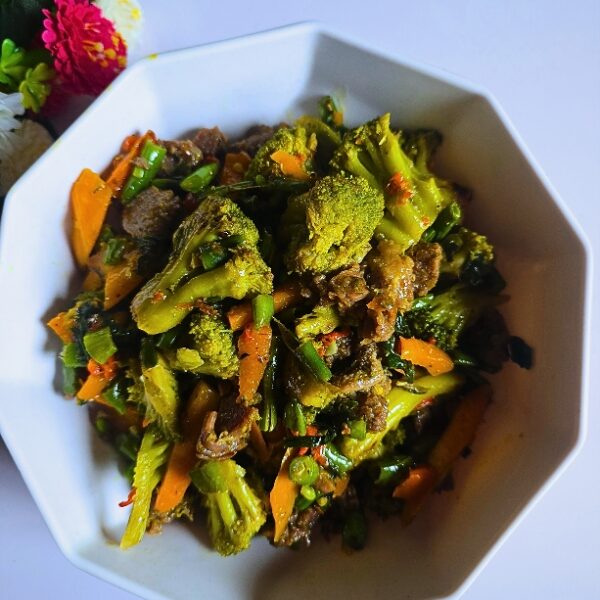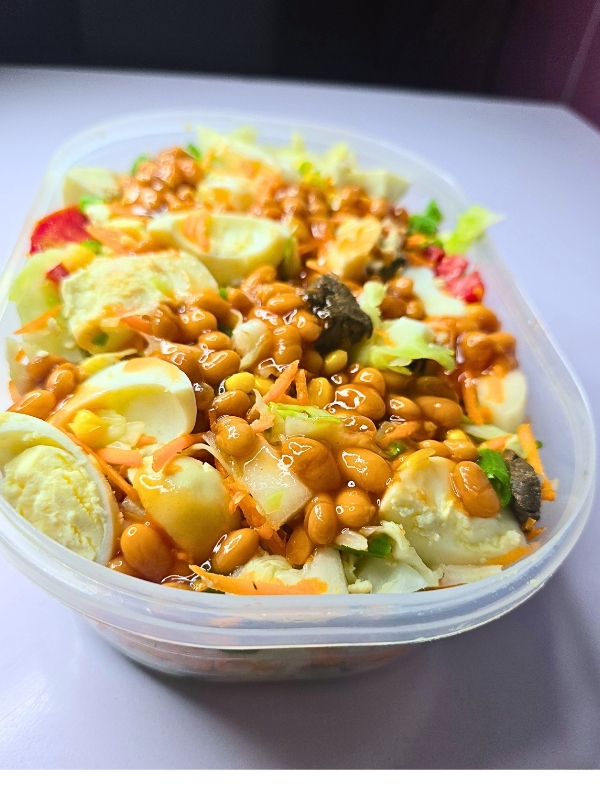
Easy Salad Recipe (African Recipes)
If you have ever attended a Nigerian party, sat at a Nigerian family table during the holidays, or even simply stumbled across a West African food video online, then you already know that Nigerian salad is something completely different from what most of the world calls “salad.”
Equally, if you have ever searched for “what is a salad,” “easy salad recipes,” or “Nigerian salad recipe,” you are not alone. In fact, salad remains one of the most searched food topics worldwide.
In fact, this is not a light pile of lettuce with a drizzle of vinaigrette. Instead, this is a hearty, colorful, creamy, fully loaded bowl of vegetables, proteins, and a sweetened cream dressing that makes every bite feel like a celebration.
What is Nigerian Party without Salad, Rice and Chicken? No way; pairs well with popular Asun Jollof Rice, Yamarita, Pineapple Rice.
In this post, I am walking you through my personal Nigerian salad recipe; and along the way, including one smart technique I use to keep the vegetables fresh for longer.
Whether you are based in the US, UK, Japan, Iran, Canada, Australia, or anywhere else in the world, this guide covers everything you need to know. Specifically, we will explore the history, the health benefits, the common mistakes, the best substitutes, and, of course, the exact step-by-step method.
So, with that said, let us get into it.
What Exactly Is A Nigerian Salad?
Nigerian salad — also widely called Nigerian party salad or Nigerian vegetable salad; is a mixed raw and lightly cooked vegetable dish that originates from Nigeria in West Africa.
More specifically, it falls into the category of composed salads, which means all the ingredients are layered or arranged together in a bowl rather than tossed loosely like a typical Western side salad.
What truly sets it apart, however, is the combination of ingredients and, most importantly, the dressing. Rather than a vinaigrette or a light herb-based sauce, Nigerian salad uses a rich, slightly sweet, creamy salad cream as its dressing.
Traditionally, Heinz salad cream is the dressing of choice. However, many home cooks; myself included; prefer to blend their own version using salad cream, liquid milk, and a touch of sugar.
As a result, this dish sits somewhere between a coleslaw and a composed protein salad. It is vegetable-forward but also quite filling because of the protein additions like boiled eggs, cooked liver, and baked beans.
Because of this balance, it works beautifully both as a side dish and as a standalone light meal.
Where Does Easy Nigerian Salad Come From?
Nigerian salad has roots in the colonial history of Nigeria.
Historically speaking, during British colonial rule in the late 19th and early 20th centuries, Western salad culture; including the use of raw vegetables, boiled eggs, and commercial dressings like salad cream; was introduced to Nigeria.
Over time, however, Nigerians transformed this imported concept entirely, adding local protein choices, layering in more ingredients, and sweetening the dressing to suit local palates.
Today, as a result of that evolution, Nigerian salad is considered a national dish across all regions of Nigeria. You will find versions of it in the north, south, east, and west of the country, though specific proteins and vegetables may vary slightly by region.
Across different ethnic groups, the salad bowl remains a constant presence at celebrations, Christmas and New Year tables, birthday parties, weddings, and Sunday family lunches.
Beyond Nigeria, the dish has traveled with the Nigerian diaspora and is now prepared in homes across the United Kingdom, the United States, Canada, Australia, and increasingly in parts of Europe and Asia.
When Is Nigerian Salad Eaten? Easy Salad Recipe (African Recipes)
Nigerian salad is an extremely versatile dish and, as a result, shows up in many different eating occasions:
- At Nigerian parties and celebrations — This is where most people first encounter it. It is almost always served alongside Jollof rice, Fried rice, or Coconut rice.
- At Christmas and Easter — During the festive season, Nigerian salad is practically mandatory on every table.
- As a quick weekday meal — Because it comes together in under 20 minutes and stores well, it makes an excellent meal-prep option.
- As a side at barbecues — Particularly in the diaspora, it pairs wonderfully with grilled meats.
- During Ramadan / Iftar — In Muslim homes, it appears as a light, refreshing complement to heavier dishes.
- As a post-workout meal — Thanks to its high protein content, it doubles as a solid recovery option.
Easy Nigerian Salad Recipe (African Recipes).
Equipment
- 1 Mixing Bowl. for alternating the ingredients.
Ingredients
- 1 whole small head of cabbage A cruciferous vegetable rich in vitamin C and fiber. Shred thinly for the best texture; thick shreds make the salad harder to mix and eat.
- 3 whole medium tomatoes Use firm, ripe tomatoes only. Soft tomatoes release excess juice that makes the salad watery and shortens its shelf life. Dice small for even distribution.
- ½ whole medium cucumber Cut into small cubes for satisfying texture in every bite. Scrape out the seedy center first to reduce moisture in the bowl.
- 4 whole medium carrots You can slice, grate, or cut into matchsticks depending on preference. Grating blends more seamlessly with the other ingredients; slicing gives more visible color.
- 1 cup green beans Steam for exactly 2 minutes then transfer immediately to cold water. This preserves their bright green color and keeps them tender-crisp rather than limp.
- 1 cup sweet corn Drain canned corn thoroughly before adding, or thaw and pat dry if using frozen. Excess liquid from undrained corn is one of the main reasons salads turn soggy.
- 1 cup baked beans Always drain and rinse baked beans before adding. The tomato sauce they come in will discolor the salad and make it wet if poured in directly.
- 1 cup cooked beef liver One of the most nutrient-dense ingredients in this dish; exceptionally high in iron, vitamin B12, and folate. Ensure it is fully cooked and completely cooled before adding to the salad.
- 5 whole large eggs Hard boil for 10 to 12 minutes, then transfer to ice water immediately to prevent the grey ring from forming around the yolk. Dice into small, even pieces for easy scooping.
- 1 cup salad cream Salad cream is the classic choice for authentic Nigerian salad flavor. Because the dressing is kept separate and mixed per serving, the full calorie count only applies if you use all of it at once; which most people won't.
- ¼ cup liquid milk Whole milk gives the dressing a smooth, slightly rich consistency. It thins the salad cream just enough to make it coat the vegetables evenly without being too heavy.
- 2 teaspoons sugar. The sugar balances the tanginess of the salad cream and is a signature touch in Nigerian-style dressing. Adjust to taste; some prefer it slightly sweeter, others more tangy.
Instructions
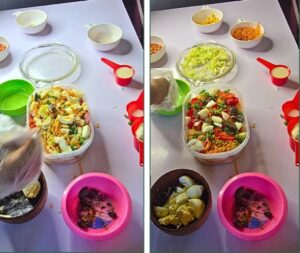
- Step 1: First, place eggs in cold water, bring to a boil, then cook for 10–12 minutes. Afterward, transfer to ice water, peel, dice, and set aside. Next, steam the beans for exactly 2 minutes. Immediately after, cool them in cold water to preserve color and texture. Meanwhile, prepare all other ingredients. At this stage, ensure everything is properly drained and dry to avoid excess moisture.
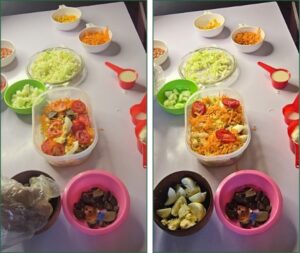
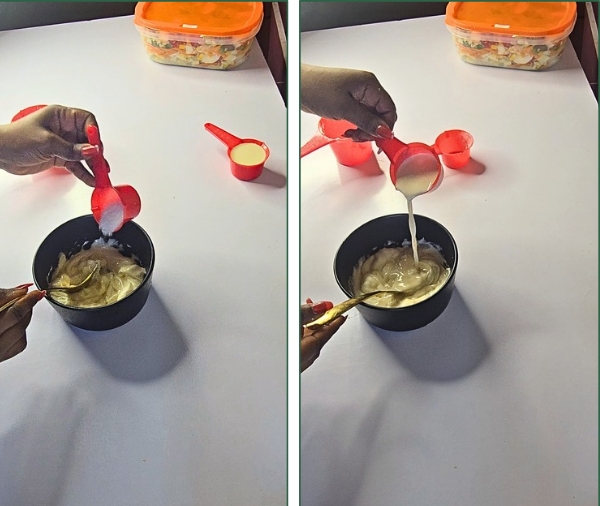
- Step 2: Assemble the Salad; Now, in a large bowl, layer ingredients alternately. This way, every scoop contains a balanced mix. Then, combine salad cream, milk, and sugar. Stir until smooth. At this point, taste and adjust as needed. Finally; and most importantly; keep the dressing separate until serving. By doing this, your salad stays crisp much longer.
Notes
You can customize the ingredients based on what’s available.
Chill before serving for a more refreshing taste.
Add protein like eggs, chicken, or beans to make it more filling.
Adjust dressing and seasoning to your preference.
Ingredients for Easy Salad Recipe (African Recipes)
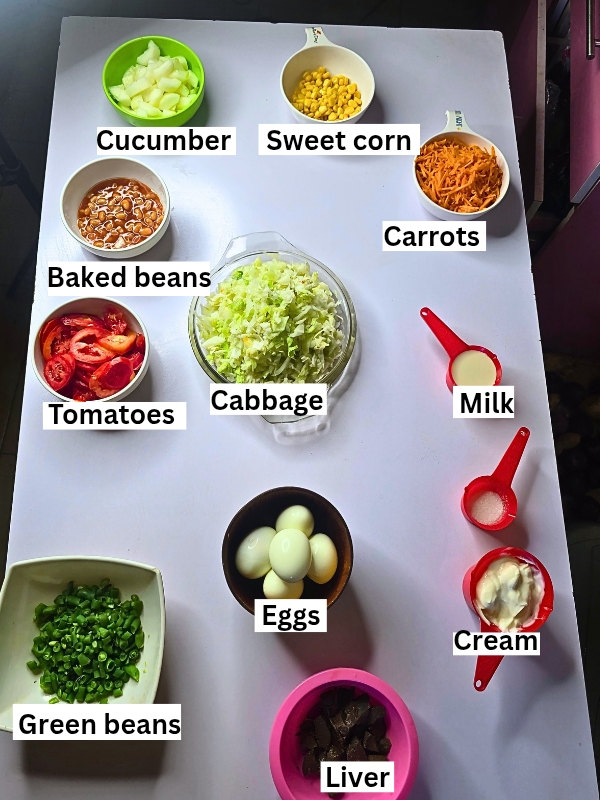
To get started, here is what you need for Easy Salad Recipe (African Recipes):
Salad Body for Easy Salad Recipe (African Recipes)
- 1 small head of cabbage (about 4 cups shredded)
- 3 medium tomatoes, diced
- ½ medium cucumber, cubed
- 4 medium carrots (about 1½ cups), sliced or grated
- 1 cup green beans, trimmed
- 1 cup sweet corn
- 1 cup baked beans, drained
- 1 cup cooked chicken liver, diced
- 5 large eggs, hard-boiled and diced
Salad Cream Dressing for Easy Salad Recipe (African Recipes)
- 1 cup salad cream
- ¼ cup liquid milk
- 2 teaspoons sugar
How to Make Easy Salad Recipe (African Recipes) (Step-by-Step)
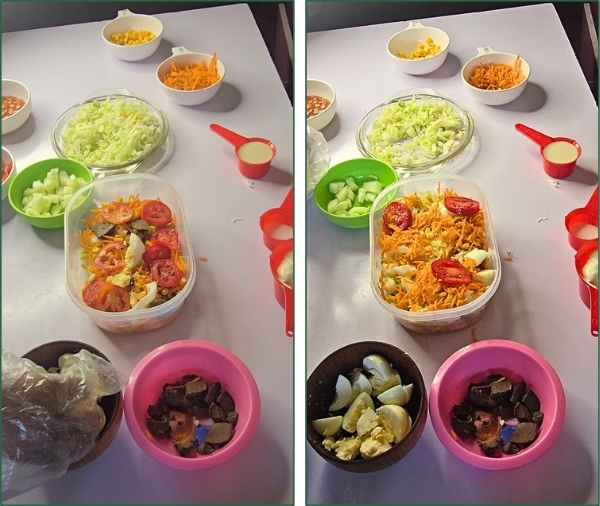
Overall, total time for Easy Salad Recipe (African Recipes)is about 20 minutes.
Step 1: Boil the Eggs for Easy Salad Recipe (African Recipes)
First, place eggs in cold water, bring to a boil, then cook for 10–12 minutes. Afterward, transfer to ice water, peel, dice, and set aside.
Step 2: Prepare the Green Beans for Easy Salad Recipe (African Recipes)
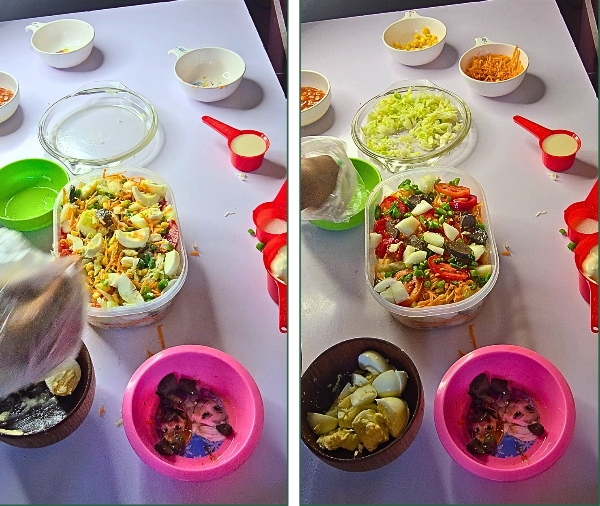
Next, steam the beans for exactly 2 minutes. Immediately after, cool them in cold water to preserve color and texture.
Step 3: Prep the Vegetables
Meanwhile, prepare all other ingredients. At this stage, ensure everything is properly drained and dry to avoid excess moisture.
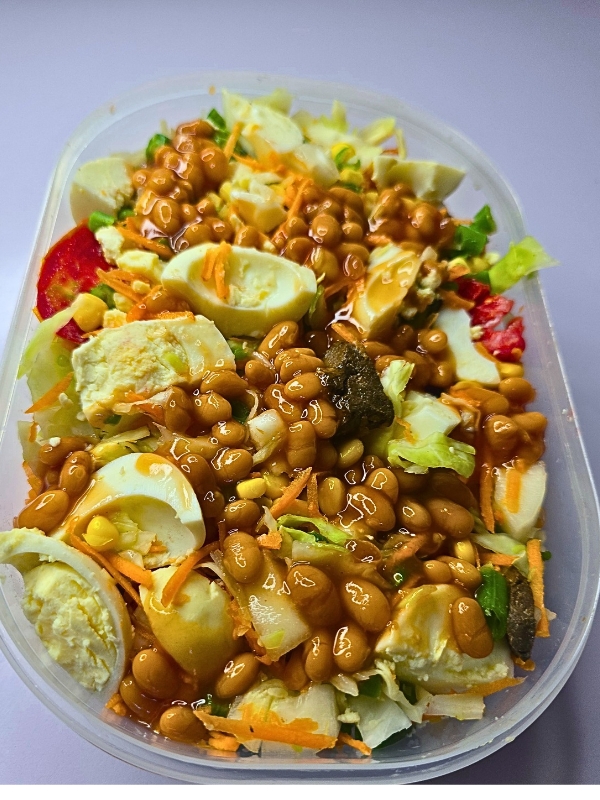
Step 4: Assemble the Salad
Now, in a large bowl, layer ingredients alternately. This way, every scoop contains a balanced mix.
Step 5: Make the Dressing for Easy Salad Recipe (African Recipes)
Then, combine salad cream, milk, and sugar. Stir until smooth. At this point, taste and adjust as needed.
Step 6: Store Separately — The Smart Way
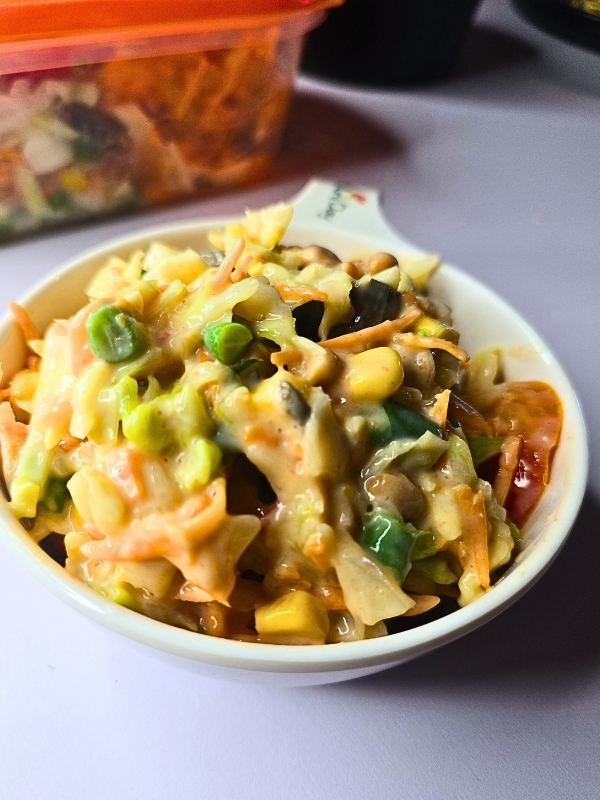
Finally; and most importantly; keep the dressing separate until serving. By doing this, your salad stays crisp much longer.
Common Mistakes People Make in Easy Salad Recipes for Dinner
Even experienced cooks slip up. However, these are easy to fix:
- Using overly soft tomatoes → leads to sogginess
- Mixing dressing too early → shortens shelf life
- Not draining beans → adds excess liquid
- Overcooking green beans → ruins texture
- Not drying vegetables → dilutes dressing
- Cutting cucumber too large → overwhelms bites
- Adding warm liver → causes condensation
How Healthy Is Easy Nigerian Salad?
Nutritionally speaking, Nigerian salad is highly balanced.
- Cabbage supports digestion and immunity
- Carrots boost eye health
- Green beans aid blood sugar control
- Eggs and liver provide protein and essential vitamins
- Beans add fiber and sustained energy
- Cucumber and tomatoes contribute hydration and antioxidants
That said, the dressing adds calories. However, because you control portions, it remains a healthy option overall.
Ingredient Substitutes for Easy Salad Recipe (African Recipes)
Fortunately, this recipe is very flexible:
- Cabbage → lettuce
- Liver → tuna, chicken, tofu
- Salad cream → mayo or yogurt dressing
- Milk → plant-based alternatives
- Baked beans → chickpeas or kidney beans
- Green beans → broccoli or peas
Additionally, vegan and high-protein variations are easy to create with simple swaps.
Serving Suggestions for Easy Salad Recipe (African Recipes)
Traditionally, Nigerian salad pairs with:
- Jollof rice
- Fried rice
- Coconut rice
- Moi Moi
- Grilled fish
- Fried plantain
Together, these combinations create a complete and satisfying meal.
Storage Tips for Easy Salad Recipe (African Recipes)
To keep it fresh:
- Store salad and dressing separately
- Refrigerate in airtight containers
- Consume within 2–3 days
- Avoid freezing
- Do not leave at room temperature too long
Frequently Asked Questions on Easy Salad Recipe (African Recipes)
Conclusion on Easy Salad Recipe (African Recipes)
In the end, Nigerian salad is one of those dishes that is both simple and deeply satisfying. It comes together quickly, delivers strong nutrition, and; perhaps most importantly; tells a story of culture and adaptation.
Whether you are rediscovering a childhood favorite or trying it for the first time, this dish deserves a place in your kitchen. And once you try the separate dressing technique, you will immediately notice the difference in freshness and texture.
So go ahead, give it a try; and when you do, share your version.