
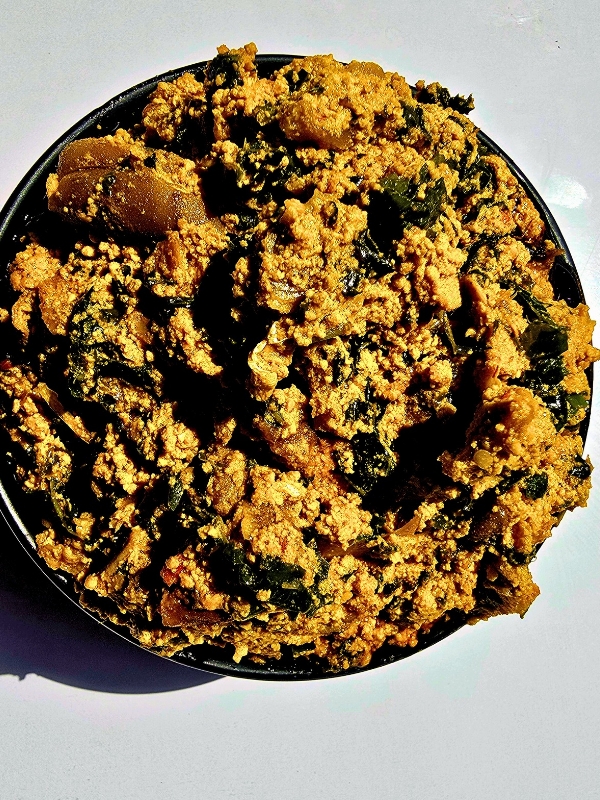
How to Cook Egusi Soup; the best Nigerian Melon Soup Recipe.
Melon soup, popularly known as Egusi soup in Nigeria and many parts of West Africa, is a flavorful and highly nutritious dish. It is prepared using ground melon seeds, leafy vegetables, and assorted proteins.
Meanwhile, this soup is not only filling but also a perfect comfort food just like Nigerian Cocoyam Soup and How to Cook Afang which are enjoyed with pounded yam, eba (garri), semovita, fufu, or even rice.
So, in this detailed recipe, you will learn exactly how to make melon soup from scratch, including the quantities of each ingredient, step-by-step cooking instructions, cooking tips, and nutritional benefits.
How to Cook Egusi Soup.
Equipment
- 1 Blender for blending the melon and crayfish.
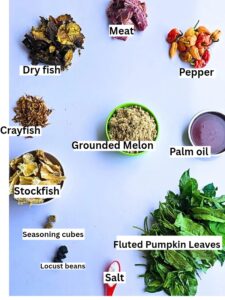
Ingredients
- 1 cup of melon seeds Blend together with crayfish into a smooth powder rather than blending separately; this saves time and creates a more evenly distributed nutty flavor throughout the entire soup.
- 2 whole dry fish – cleaned and deboned ash carefully to remove excess salt and any bones before adding; dry fish already contributes significant saltiness so always taste your soup before adding extra salt.
- 2 cups ugu leaves Add in the very last few seconds before turning off the heat; overcooking ugu turns it brown, strips its nutrients and makes it taste bitter instead of fresh and vibrant.
- 1/2 kg of assorted meat Season and steam until fully tender before adding to the soup; always reserve every drop of the beef stock as it forms the rich deeply flavored base that plain water cannot replicate.
- 2 cubes seasoning cubes Crumble before adding for even distribution; season gradually throughout cooking rather than all at once as stockfish, dry fish and crayfish already contribute significant saltiness to the soup.
- 2 tablespoons ground pepper Blend smooth before adding for even heat distribution throughout the soup; adjust quantity to your preferred spice level as egusi naturally absorbs and amplifies heat.
- 1 whole stockfish head or pieces – soaked and cleaned Wash thoroughly before cooking to remove dirt and sand; soak in hot water for 10–15 minutes to soften properly before adding to the pot for better texture in the final soup.
- ½ cup palm oil Heat gently but never bleach; unbleached palm oil preserves its natural nutrients, rich color and authentic flavor that gives Nigerian egusi soup its signature appearance and taste.
- 1 tablespoon locust beans Use sparingly as a little goes a very long way; locust beans deliver incredible fermented depth and earthy umami but too much overpowers the delicate nutty flavor of the melon seeds.
- 1 teaspoon Salt Always taste before adding; the combination of stockfish, dry fish, crayfish and seasoning cubes already carries substantial salt so add only what is truly needed at the very end.
Instructions
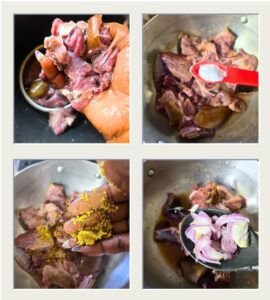
- Step 1: Wash and prepare the proteins: First, wash the stockfish and dry fish properly to remove any dirt or sand. Next, rinse your meat thoroughly, season it with salt, seasoning cubes, and a little pepper. Then, add water and cook the meat together with the stockfish until soft. This meat stock will serve as the base for your soup.

- Step 2: Blend the melon and crayfish: Next, blend the melon seeds together with crayfish into a smooth powder.Using crayfish along with melon gives the soup a rich depth of flavor. You can use a blender, a dry mill, or a grinding stone depending on what is available.

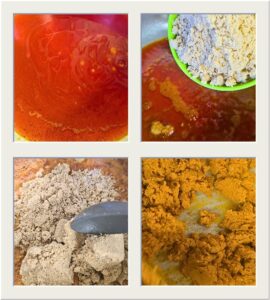
- Step 3: Heat the palm oil and fry the melon mixture: Now, pour palm oil into a clean pot and heat it gently. Do not bleach the oil. Once hot, add the ground melon and crayfish mixture. Stir continuously for about 5 minutes to ensure it does not stick to the pot or burn. This step helps the melon cook properly and prevents a raw taste in your soup.
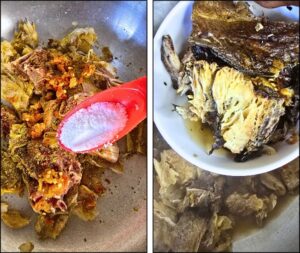
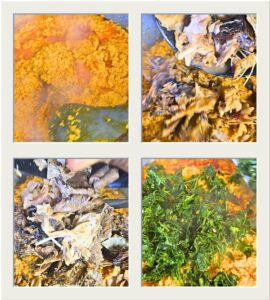
- Step 4: Add the cooked meat and stock: After frying the melon mixture, gradually add your cooked meat, stockfish, dry fish, and the stock water from the boiled meat. Stir well to combine. At this stage, your soup will begin to take shape with a thick and appetizing look.

- Step 5: Add pepper, seasoning, and locust beans: Reduce the heat and cover the pot and let the soup simmer gently for another 10–15 minutes as this allows the flavors to blend together beautifully, while the melon softens and releases its nutty flavor into the soup.
- Step 7: Next, add the ugu leaves: Next, add your ground pepper, seasoning cubes, and locust beans. Locust beans give the soup a deep, earthy, traditional flavor that many Nigerians love. Stir everything together and allow the soup to cook on medium heat for about 10 minutes and add the vegetables like ugu. Leave for extra few seconds.
Notes
Ingredients to Cook Egusi Soup
Below is the ingredient list with proper quantities. This recipe serves about 4–6 people.
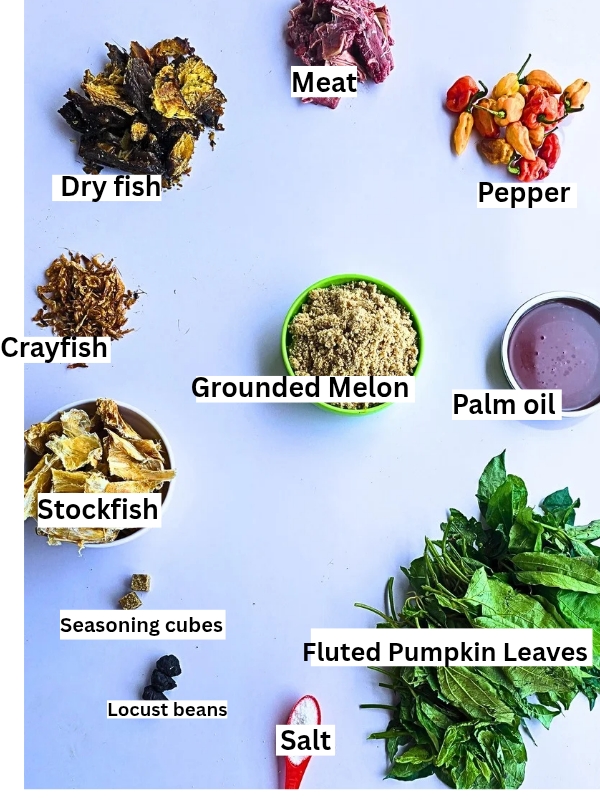
- 1 cup of melon seeds (egusi) – ground
- 2 medium dry fish – cleaned and deboned
- 2 cups ugu leaves (fluted pumpkin leaves) – washed and chopped
- 1/2 kg of assorted meat (beef, goat meat, or a mix) – cut into pieces
- 2 seasoning cubes (or to taste)
- 2 tablespoons ground pepper (fresh or dried, depending on your spice preference)
- 1 small stockfish head or pieces – soaked and cleaned
- ½ cup palm oil(or to taste)
- 1 tablespoon locust beans (iru or ogiri)
- Salt to taste
Step-by-Step Instructions on How to Cook Nigerian Egusi Soup
Step 1: Wash and prepare the proteins:
First, wash the stockfish and dry fish properly to remove any dirt or sand. Next, rinse your meat thoroughly, season it with salt, seasoning cubes, and a little pepper. Then, add water and cook the meat together with the stockfish until soft.
This meat stock will serve as the base for your soup.
Step 2: Blend the melon and crayfish:
Next, blend the melon seeds together with crayfish into a smooth powder.
Using crayfish along with melon gives the soup a rich depth of flavor. You can use a blender, a dry mill, or a grinding stone depending on what is available.
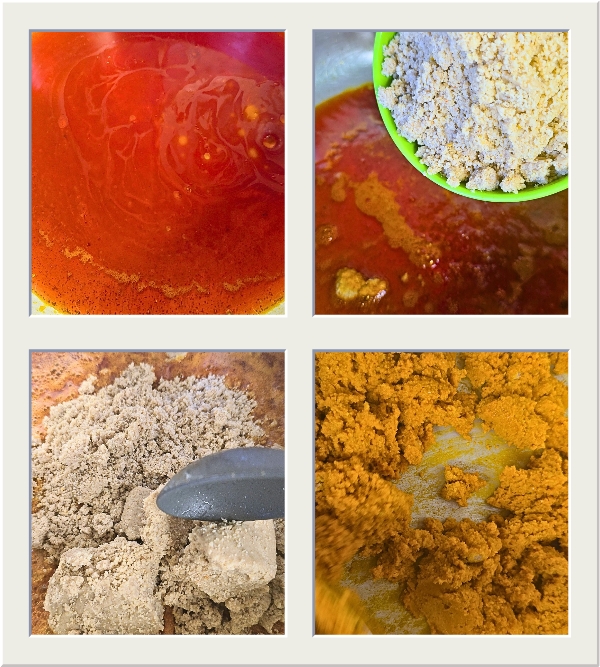
Step 3: Heat the palm oil and fry the melon mixture:
Now, pour palm oil into a clean pot and heat it gently. Do not bleach the oil. Once hot, add the ground melon and crayfish mixture.
Stir continuously for about 5 minutes to ensure it does not stick to the pot or burn.
This step helps the melon cook properly and prevents a raw taste in your soup.
Step 4: Add the cooked meat and stock
After frying the melon mixture, gradually add your cooked meat, stockfish, dry fish, and the stock water from the boiled meat. Stir well to combine. At this stage, your soup will begin to take shape with a thick and appetizing look.
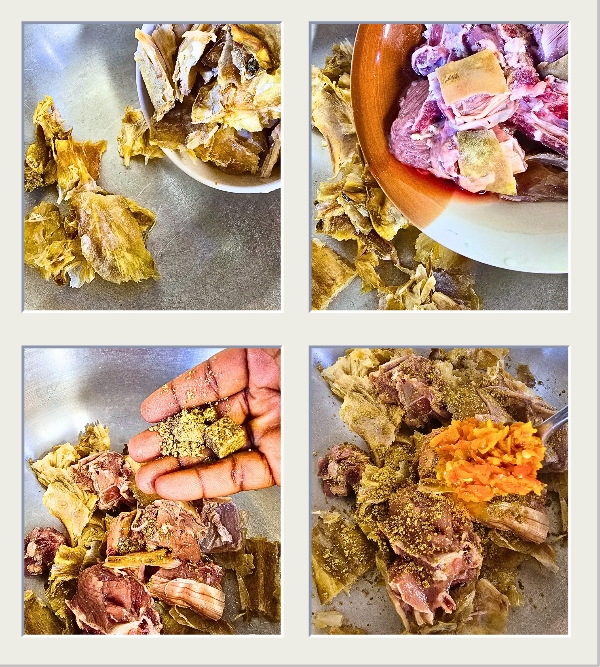
Step 5: Add pepper, seasoning, and locust beans:
Next, add your ground pepper, seasoning cubes, and locust beans. Locust beans give the soup a deep, earthy, traditional flavor that many Nigerians love. Stir everything together and allow the soup to cook on medium heat for about 10 minutes.
Step 6: Simmer the soup:
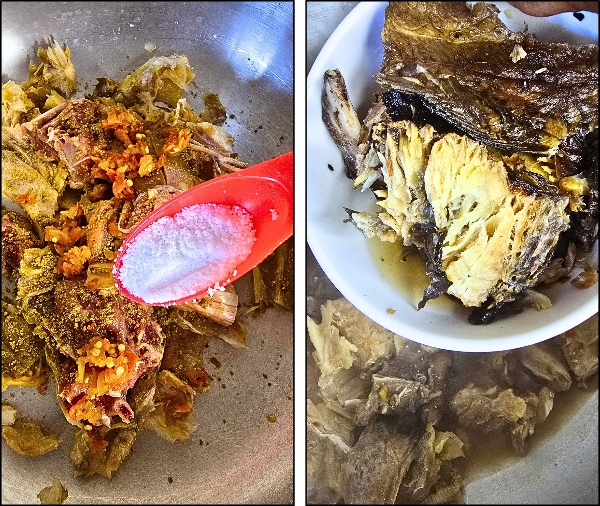
Reduce the heat and cover the pot and let the soup simmer gently for another 10–15 minutes as this allows the flavors to blend together beautifully, while the melon softens and releases its nutty flavor into the soup.
Step 7: Next, add the ugu leaves:
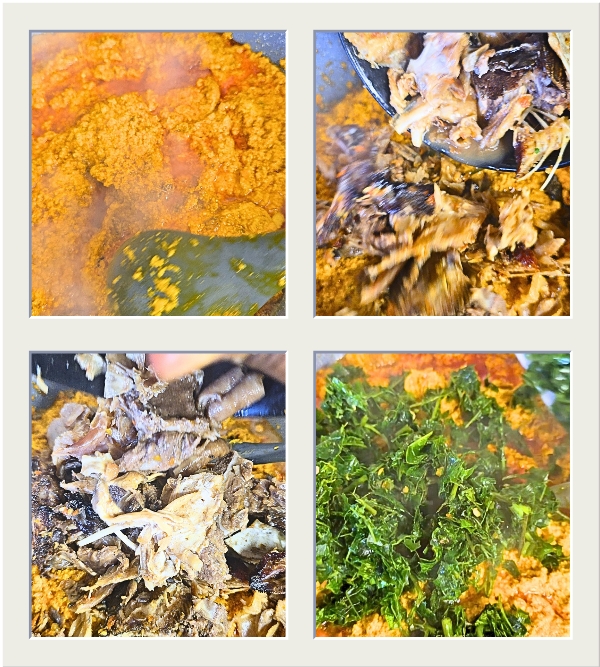
Add your washed and chopped ugu leaves. Stir properly and let them cook for 3–5 minutes. The bright green color of the leaves adds freshness and nutrients to the soup.
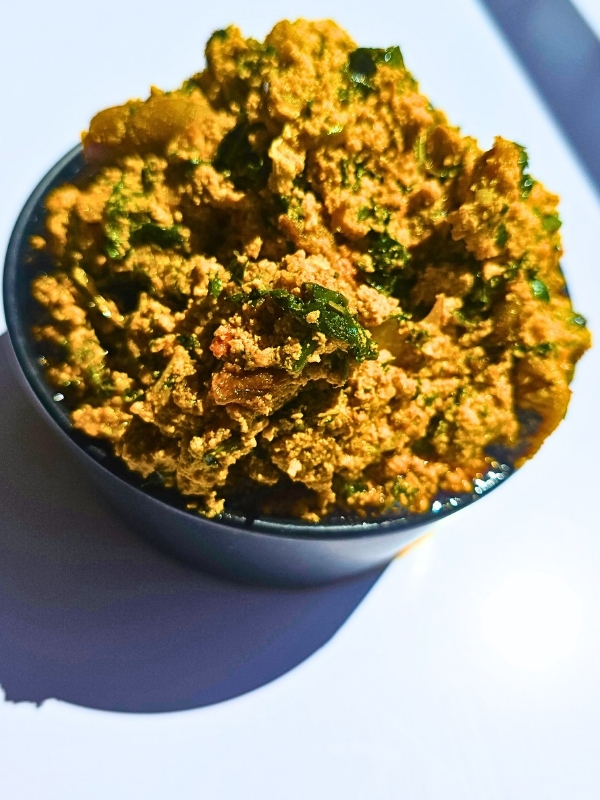
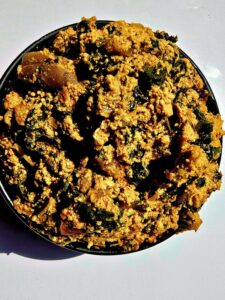
At this point, your melon soup is ready to serve.
Tips for the Perfect Nigerian Melon Soup Recipe (Egusi Soup)
First of all, palm oil matters: Do not be stingy with palm oil, as it enhances both flavor and color.
In addition, If ugu is unavailable, spinach, kale, or bitterleaf can be used.
More over, for extra protein, Cow skin (kpomo), snails, or chicken can be added for more variety.
Lastly, if your soup is too thick, add a little warm water or stock to loosen it.
Nutritional Benefits on Nigerian Egusi Soup
Melon soup is not only delicious but also highly nutritious and these are why it’s good for you:
Firstly, melon seeds (egusi) are rich in protein, healthy fats, and essential vitamins. They also help in building body tissues.
Secondly, ugu leaves (fluted pumpkin) are a natural source of iron, vitamins A and C, and calcium. As a result, they boost blood production and strengthen immunity.
Finally, palm oil provides healthy fats and vitamin E, but should be used in moderation.
Crayfish and locust beans: Add protein and natural flavor enhancers without artificial additives.
Serving Suggestions
Melon soup is very versatile and pairs beautifully with:
Pounded yam (the classic favorite)
Eba (garri)
Semovita or wheat swallow
White rice (for a lighter option)
A Brief History of Nigerian Melon soup (Egusi Soup)
Egusi soup is one of the most popular soups in West Africa, especially in Nigeria, Ghana, and Cameroon. In Nigeria, it is prepared in slightly different ways depending on the region.
For example, the Yoruba style sometimes includes vegetables like bitterleaf, while the Igbo version is often cooked with locust beans for added depth of flavor.
Regardless of the variation, egusi remains a cultural delicacy that brings families together during celebrations and everyday meals.
Frequently Asked Questions (FAQs) on How to Cook Nigerian Egusi Soup
1.How to Cook Egusi Soup Step by Step
First, blend your egusi seeds into a smooth paste or leave them coarsely ground depending on your preferred texture. Next, fry the egusi paste in hot palm oil until it turns golden and fragrant.
Then add your blended pepper mix and fry together for 10 minutes. Afterward, pour in your beef stock and allow everything to simmer. Add your proteins — beef, stockfish and dried fish — and stir gently.
Finally, add your vegetables, season to taste and simmer for 5 more minutes. Your egusi soup is ready to serve hot with pounded yam, fufu or eba.
2. How to Cook Egusi Soup Frying Method
The frying method gives egusi soup a richer, deeper flavor than any other technique. Start by heating palm oil in a pot over medium heat. Add blended onions and fry until golden.
Next, add your egusi paste directly into the hot oil and fry continuously for 8–10 minutes, stirring constantly to prevent burning. The egusi will gradually turn from pale yellow to a rich golden brown — this is exactly what you want.
Afterward, add your blended peppers and fry together for another 10 minutes. Then pour in beef stock, add your proteins and seasonings, and allow everything to simmer together until thick and well combined.
3. Does Egusi Increase Blood Pressure?
Egusi seeds on their own do not directly cause high blood pressure. However, the way egusi soup is prepared can affect blood pressure significantly. Specifically, adding too much salt, seasoning cubes, crayfish and dried fish all contribute high sodium levels to the soup.
Therefore, if you have high blood pressure, the key is not to avoid egusi soup entirely but to reduce the salt and seasoning and go easy on dried fish and crayfish.
Additionally, egusi seeds are naturally rich in magnesium which actually supports healthy blood pressure levels when consumed in moderation.
What Are the 7 Steps to Making Egusi Soup Step by Step?
Here are the 7 clear steps to perfectly cooked egusi soup every time:
- Blend or grind your egusi seeds into a smooth or coarse paste
- Season and steam your beef, stockfish and dried fish until tender
- Blend your peppers, tomatoes and onions into a smooth mix
- Fry the egusi in hot palm oil until golden and fragrant
- Add the pepper mix and fry together for 10 minutes
- Pour in beef stock, add proteins and seasonings and simmer for 15 minutes
- Add your vegetables — spinach, ugwu or bitterleaf — and simmer for 5 final minutes
4. How to Cook Melon Soup Step by Step
Melon soup is simply another name for egusi soup across West Africa. First, grind your melon seeds (egusi) into a paste. Next, heat palm oil in a pot and fry the melon paste until golden.
Then add your blended pepper mix and continue frying for 10 minutes. Afterward, pour in your meat stock and add your cooked proteins — beef, fish and crayfish.
Stir well and allow everything to simmer on low heat for 15 minutes. Finally, add your leafy vegetables, adjust seasoning and serve hot with your favorite swallow.
5. How to Cook Melon Soup With Vegetable
Cooking melon soup with vegetables adds color, nutrition and a beautiful fresh flavor to the dish. First, prepare your egusi base by frying the melon paste in palm oil until golden.
Then add your pepper mix and beef stock and allow it to simmer until thick. Next, choose your vegetable; ugwu (fluted pumpkin), spinach or bitterleaf all work beautifully.
Importantly, always add your vegetables in the very last 3–5 minutes of cooking. This preserves their vibrant green color, nutrients and fresh flavor. Overcooking vegetables in egusi soup turns them brown and bitter, so timing this step correctly makes all the difference.
6. How to Cook Egusi Soup Boiling Method
The boiling method is quicker and lighter than the frying method and works especially well for beginners. First, mix your ground egusi with a little water to form small lumps or balls.
Next, bring your beef stock and blended pepper mix to a boil in a pot.
Then carefully drop the egusi lumps directly into the boiling stock — do not stir immediately. Allow them to cook undisturbed for 10 minutes so they set properly.
Afterward, stir gently and add palm oil, proteins and seasonings. Finally, simmer on low heat for 15 minutes until the soup thickens beautifully. Add your vegetables in the last 3 minutes and serve hot.
Conclusion on How to Cook Egusi Soup
Finally, I can tell you for sure that Nigerian melon soup (egusi soup) is a wholesome, flavorful, and nutrient-rich meal that has stood the test of time in West African homes. With just a cup of melon, some vegetables, fish, meat, and a few seasonings, you can prepare a delicious soup that everyone will love.
Whether you are cooking in Nigeria or abroad, this recipe will guide you step by step. So, try it today and enjoy the rich, comforting taste of tradition in every bite.
You May Also Love:
How to Make Soyamilk Drink the Easy Way
About The Author

Thick, Rich, and Delicious
Hello, I am interested in your service.
Hi, Greetings. Email us at http://www.eatwithifeoma.com
I love your method of cooking. Keep it up
Hello, I am interested in your service.