
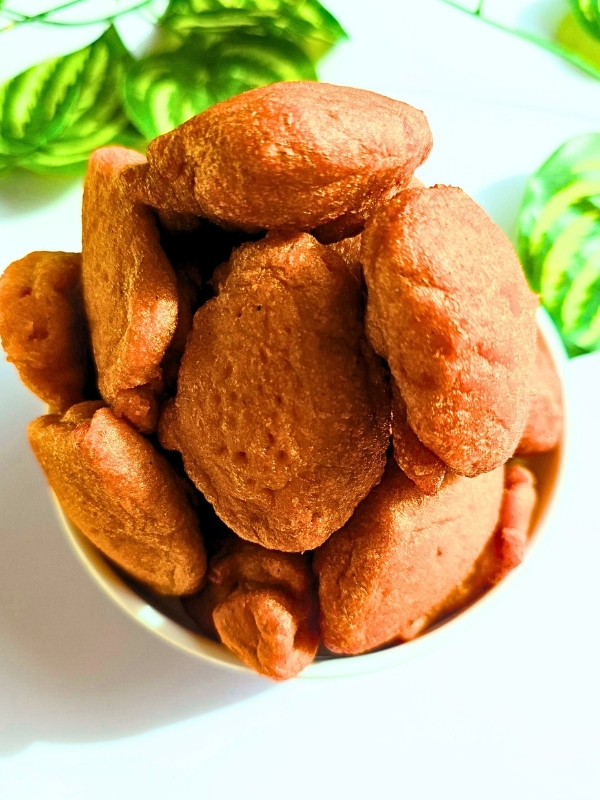
This is Easy Nigerian Akara Recipe; African Street Food and tasty like Delicious Okpa Enugu.
There are foods that do more than satisfy hunger; they carry memories. For me, akara (Nigerian bean cake) which is also called African Bean Fritters is one of them. Each time I fry akara, the aroma instantly transports me back to my childhood mornings in Nigeria.
I can still picture my mother by the stove, her apron tied neatly, frying golden crispy balls that filled the whole neighborhood with a smell too tempting to ignore. Just like Awara Recipe (Tofu) Nigerian Akara should be tried for it is spicy
That memory inspired me to make akara again recently, not just for the taste, but to relive those moments of warmth and joy. If you’ve never made akara before or you want to reconnect with your roots, here’s how to prepare this delicious Nigerian breakfast, step by step.
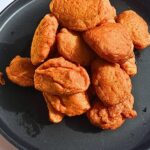
Easy Nigerian Akara Recipe.
Equipment
- 1 Blender For blending the beans to a smooth texture.
Ingredients
- 2 cups beans Soak for just a few minutes before peeling rather than overnight; short soaking softens the husk enough to rub off easily without making the beans too waterlogged which dilutes the batter and produces flat greasy akara instead of light fluffy ones. Rub thoroughly between your palms and rinse several times until the water runs completely clear before blending.
- 1 whole piece of ginger Peel before blending and always use fresh ginger rather than ginger powder; fresh ginger delivers a brighter warmer aroma that blends seamlessly into the bean batter without leaving any gritty texture or artificial aftertaste behind.
- 2 cloves of garlic Peel before blending and always use fresh garlic rather than garlic powder; fresh garlic delivers a deeper more aromatic flavor that powder cannot replicate in a batter based recipe like akara where every ingredient is blended directly into the base.
- 2 whole medium onions Blend separately from the beans rather than together; blending onions separately gives you full control over how much onion flavor goes into the batter. Too much onion liquid added at once makes the batter too watery and prevents the akara from holding its shape in the hot oil.
- 1 whole bell pepper Blend separately with the other aromatics and add gradually to the bean batter; tatashe adds natural sweetness, vibrant color and a mild gentle heat that complements the beans beautifully without overpowering the delicate flavor of freshly blended akara batter.
- 1/2 teaspoon Salt dd after combining the bean batter and aromatic paste; always taste before adding more as the garlic, ginger and seasoning together already contribute significant flavor depth to the batter. Over salting akara batter before frying is the most common seasoning mistake in this recipe.
- 2 cups Vegetable oil Use enough oil for proper deep frying rather than shallow frying; too little oil causes the akara to cook unevenly with one side golden and the other side pale and soft instead of achieving that consistent golden brown color all around that perfectly fried Nigerian akara is famous for.
Instructions
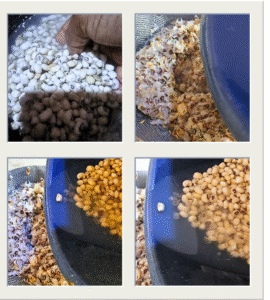
- Step 1: Wash and Peel the Beans: Start by pouring your beans into a large bowl. Add enough water to cover them completely and let them soak for a few minutes. Once they’ve softened a little, rub the beans gently between your palms to remove the husk. After that, rinse several times until the water runs clear and the skins are completely gone. This peeling step is very important because it helps your akara turn out smooth and light.

- Step 2: Prepare the Aromatics: Next, peel your onions, garlic, and ginger. Wash them well along with your bell pepper. These are the key aromatics that will give your akara its signature flavor. The ginger and garlic add warmth, the onions bring sweetness, and the bell pepper adds color and a hint of spice.

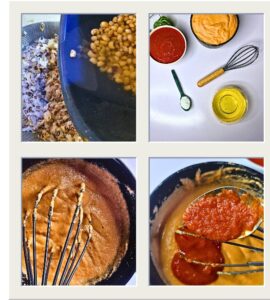
- Step 3: Blend Everything to a Smooth Paste: Pour the peeled beans into a blender, add just a little water, and blend until smooth. Don’t add too much water; the paste should be thick enough to hold its shape. After blending the beans, also blend the onion, garlic, ginger, and bell pepper separately into a smooth paste. When both mixtures are ready, pour some of the pepper mix into the blended beans. Then, stir gently until everything is evenly combined. Season and Mix the Batter: Now add salt to taste and stir well. Some people whisk the mixture for a few minutes to make it lighter and fluffier, and I highly recommend it. Whisking helps incorporate air, which gives the akara that soft, spongy texture when fried.
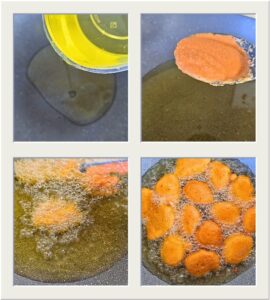
- Step 4: Heat Your Oil: Using a tablespoon, scoop the mixture carefully and drop it into the hot oil. Do this gently so the batter keeps its shape. Fry a few at a time, turning them occasionally until they become golden brown on all sides. Serve and enjoy the African Food.
Notes
Serve hot with Nigerian pap (akamu), custard or a cold drink for a complete traditional Nigerian breakfast experience.
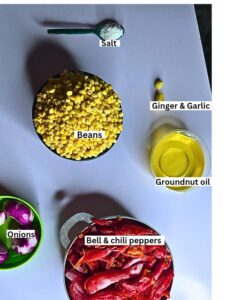
Ingredients on Easy Nigerian Fluffy Akara Recipe:
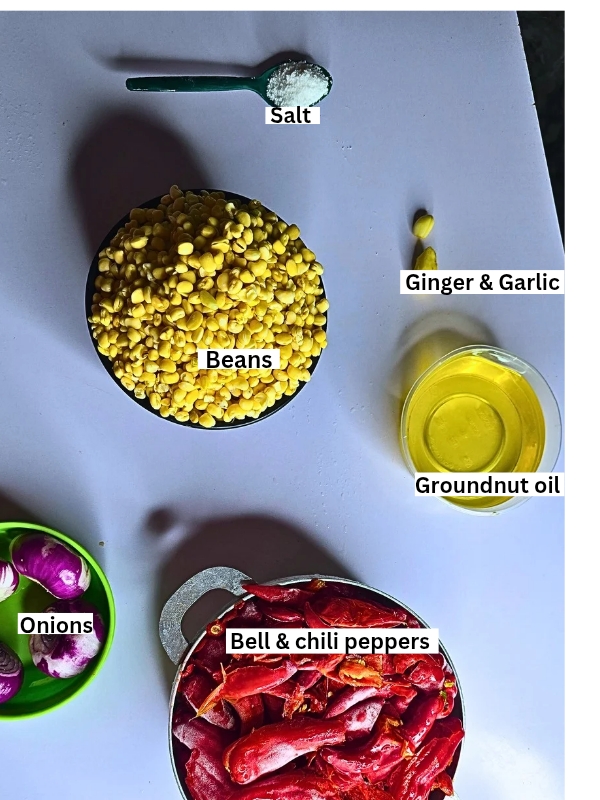
2 cups of beans (black-eyed peas or brown beans)
1 small piece of ginger
2 cloves of garlic
2 medium onions
1 bell pepper (tatashe)
Salt to taste
Groundnut oil (for frying)
These simple ingredients come together beautifully to form one of Nigeria’s most loved street foods — crispy outside, soft inside, and full of flavor on this post on how to make akara (bean cake)
Step 1: Wash and Peel the Beans-Easy Nigerian Akara Recipe (Bean Cake) 
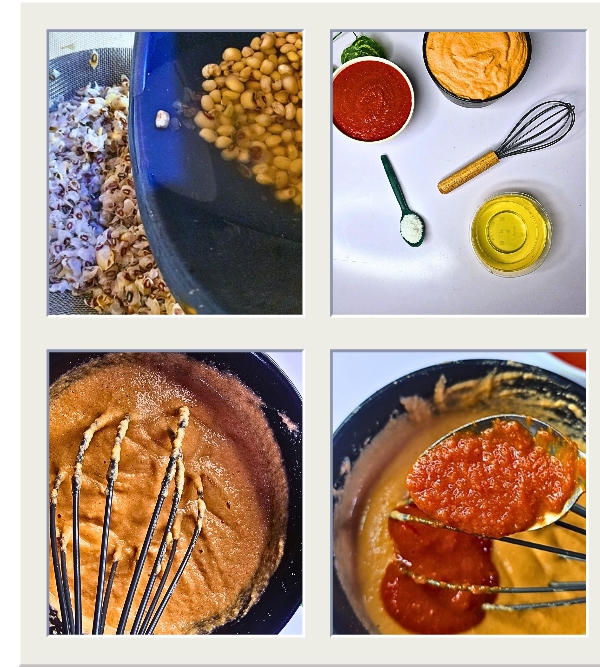
Start by pouring your beans into a large bowl. Add enough water to cover them completely and let them soak for a few minutes. Once they’ve softened a little, rub the beans gently between your palms to remove the husk.
After that, rinse several times until the water runs clear and the skins are completely gone. This peeling step is very important because it helps your akara turn out smooth and light.
Growing up, this was always a group activity in my home. My siblings and I would sit around a bowl of beans, chatting and laughing as we peeled together. It didn’t feel like work — it felt like love.
Step 2: Prepare the Aromatics For Quick Bean Cake Recipe
Next, peel your onions, garlic, and ginger. Wash them well along with your bell pepper. These are the key aromatics that will give your akara its signature flavor.
The ginger and garlic add warmth, the onions bring sweetness, and the bell pepper adds color and a hint of spice.
As I prepared mine, the familiar scent brought back memories of early Saturday mornings; those peaceful hours before the day’s rush when my mother’s kitchen smelled like comfort and hope.
Step 3: Blend Everything to a Smooth Paste-Quick Nigerian Akara Recipe
Pour the peeled beans into a blender, add just a little water, and blend until smooth. Don’t add too much water — the paste should be thick enough to hold its shape.
After blending the beans, also blend the onion, garlic, ginger, and bell pepper separately into a smooth paste. When both mixtures are ready, pour some of the pepper mix into the blended beans.
Then, stir gently until everything is evenly combined. You’ll notice the aroma immediately — rich, earthy, and slightly spicy. It’s at this stage that I always pause for a moment. The smell alone brings back those childhood mornings when akara meant happiness was near.
Step 4: Season and Mix the Batter-Easy Nigerian Akara Recipe (Bean Cake)
Now add salt to taste and stir well. Some people whisk the mixture for a few minutes to make it lighter and fluffier, and I highly recommend it. Whisking helps incorporate air, which gives the akara that soft, spongy texture when fried.
If you want, you can add small chopped onions or extra bell pepper for texture, but keeping it simple gives you that traditional flavor most Nigerians grew up loving.
Step 5: Heat Your Oil-Easy Nigerian Akara Recipe
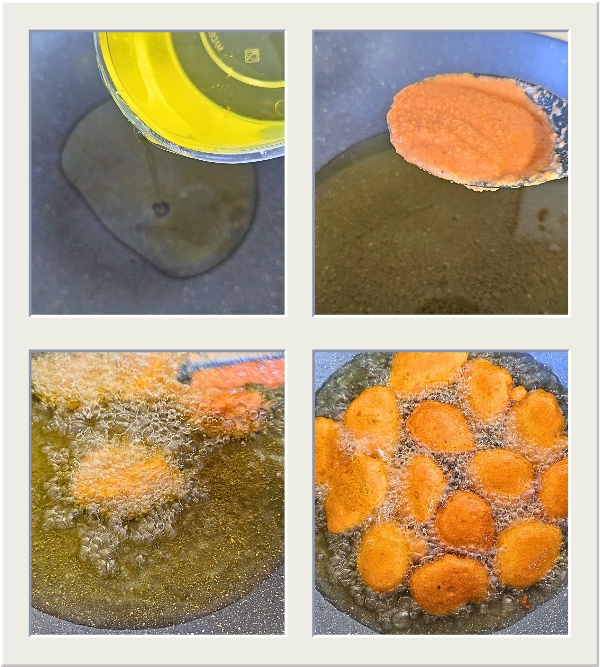
Pour enough groundnut oil into a deep frying pan — enough to cover the akara balls as they fry. Place the pan over medium heat and let the oil warm up gradually.
To know if it’s ready, drop a tiny bit of the batter into the oil. If it sizzles and floats to the surface, your oil is at the perfect temperature.
The sound of that first sizzle always reminds me of my mother smiling proudly as her akara began to fry. The scent filled the air so beautifully that even our neighbors would call out from their windows, saying, “Madam, this akara dey smell well oh!”
Step 6: Fry the Akara Balls
Using a tablespoon, scoop the mixture carefully and drop it into the hot oil. Do this gently so the batter keeps its shape. Fry a few at a time, turning them occasionally until they become golden brown on all sides.
Don’t rush this process. Let each akara cook slowly so the inside stays soft while the outside turns perfectly crisp. Once they’re done, remove them with a slotted spoon and place them on paper towels to drain any excess oil.
At this stage, the kitchen smells heavenly. The combination of beans, onions, and pepper frying together has a nostalgic pull — a scent that feels like home.
Step 7: Serve and Enjoy African Food
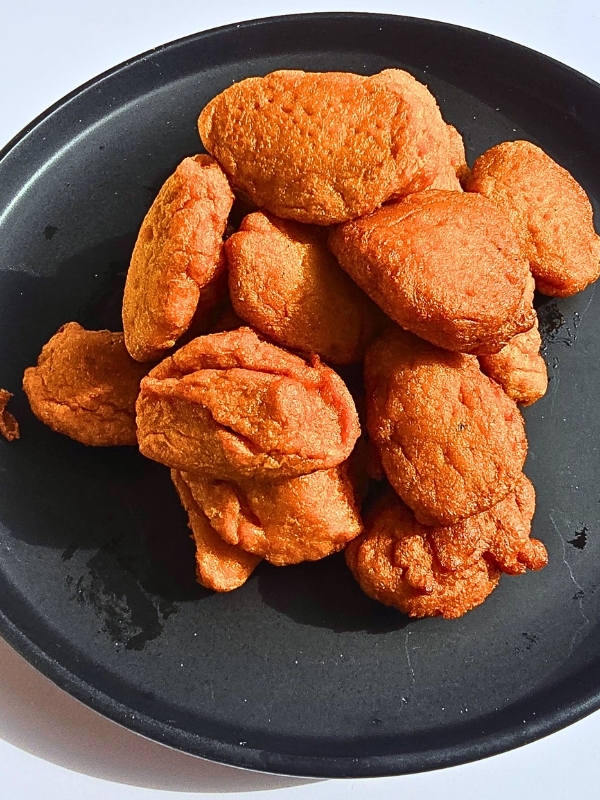
Fresh akara tastes best when eaten hot. You can serve it with pap (akamu), agege bread, or even soaked garri; whichever brings your comfort the most. For me, akara with pap remains unbeatable. The softness of the pap complements the crispness of the akara, creating the perfect Nigerian breakfast harmony.
Whenever I make akara, I always feel a wave of gratitude. This dish connects generations; from our grandmothers who made it with clay pots and wooden spoons to the modern kitchens where we recreate it today.
Easy Nigerian Akara Recipe: A Taste That Never Grows Old
What I love most about akara is its simplicity. It’s a humble dish that carries deep emotions and history. Each time I make it, I’m reminded of how food can tell stories; stories of family, laughter, and the beauty of ordinary mornings
Frequently Asked Questions on Easy Nigerian Akara Recipe
1. Why Is My Akara Not Fluffy?
Flat dense akara almost always comes down to four reasons. First the batter is too watery; always blend with as little water as possible so the paste is thick enough to hold its shape.
Next skipping the whisking step kills fluffiness; whisk vigorously for several minutes after combining all ingredients to incorporate air into the batter.
Also, frying in oil that is not hot enough causes akara to absorb excess oil and sink rather than puff up. Finally leaving bean husks in the batter prevents lightness; always peel completely and rinse until the water runs clear before blending.
2. Does Akara Need Maggi?
No; traditional Nigerian akara does not need Maggi. Fresh onions, garlic, ginger and bell pepper already deliver deep flavor without any seasoning cube.
Furthermore adding Maggi introduces extra sodium that easily over-salts the batter. This recipe uses only salt to taste; simple, clean and perfectly balanced.
However if you prefer a bolder flavor add half a crumbled seasoning cube and taste carefully before frying.
3. Do You Add Eggs to Akara?
Traditional Nigerian akara does not include eggs. The natural proteins in peeled beans combined with vigorous whisking create the light fluffy texture authentic akara is known for; no eggs needed.
However some modern versions add one egg as a binding agent when the batter feels too loose.
Note that adding an egg makes akara slightly denser and gives the exterior a deeper golden color. For the most authentic result skip the egg and focus on thick batter and thorough whisking instead.
4. How to Blend Beans for Akara
First soak your beans briefly then rub thoroughly between your palms to remove every husk. Rinse several times until the water runs completely clear.
Next drain the peeled beans completely before blending; excess soaking water dilutes the batter instantly. Then add the drained beans to your blender with just a tiny amount of water and blend in short bursts rather than continuously.
Short pulses give better control over consistency and prevent the blender motor from overheating. The finished batter should be smooth, thick and creamy with no visible bean pieces remaining.
5. Nigerian Akara Recipe
This authentic Nigerian akara recipe uses just 7 simple ingredients; beans, onions, garlic, ginger, bell pepper, salt and vegetable oil. First soak the beans briefly, peel off all husks and rinse until the water runs clear.
Next blend the peeled beans in a blender with minimal water into a smooth thick paste. Then blend the aromatics separately and fold gradually into the bean batter.
Add salt, whisk vigorously for several minutes then deep fry in hot vegetable oil in small batches until deeply golden brown on all sides. Serve hot with Nigerian pap or custard for a complete authentic Nigerian breakfast.
6. Akara Recipe Step by Step
a. Step 1: Soak and peel Soak beans briefly, rub off husks and rinse until the water runs completely clear.
b. Step 2: Blend the beans Drain completely then blend in a blender with minimal water in short bursts until smooth and thick.
c. Step 3: Blend the aromatics Blend onions, garlic, ginger and bell pepper separately then fold gradually into the bean batter.
d. Step 4: Season and whisk Add salt then whisk vigorously for several minutes to incorporate air for maximum fluffiness.
e. Step 5: Fry until golden Heat oil on medium heat, scoop batter with a tablespoon and drop gently into the hot oil. Fry in small batches turning occasionally until deeply golden brown. Drain on paper towels and serve hot immediately.
7. Easy Akara Recipe
This easy Nigerian akara recipe from Eat with Ifeoma uses just 7 ingredients and is ready in under 45 minutes.
Soak and peel the beans, blend smooth in a blender with minimal water then fold in blended aromatics. Add salt, whisk vigorously then deep fry in hot oil until golden brown. Crispy outside, soft and fluffy inside; 2 cups of beans serves 5 people at just $2 total.
One of the most affordable and satisfying Nigerian breakfast snacks you will ever make at home.
8. Best Akara Recipe
The best Nigerian akara comes down to four non-negotiable steps. First peel the beans completely and rinse until the water runs clear. Next blend with minimal water for a thick batter.
Then whisk vigorously after combining all ingredients for maximum fluffiness. Finally fry in properly heated oil in small batches turning occasionally for consistent golden color.
This akara recipe from Eat with Ifeoma follows all four principles; using black-eyed peas or brown beans blended in a blender with fresh onions, garlic, ginger and bell pepper into a light fluffy batter that produces the crispiest most flavorful akara every single time.
Conclusion on Easy Nigerian Akara Recipe (Bean Cake).
If you’ve been craving a true taste of Nigeria, try making akara from scratch. The steps are simple, the ingredients are basic, and the reward is a delicious reminder of how deeply food connects us to where we come from.
This is so perfect a recipe.