
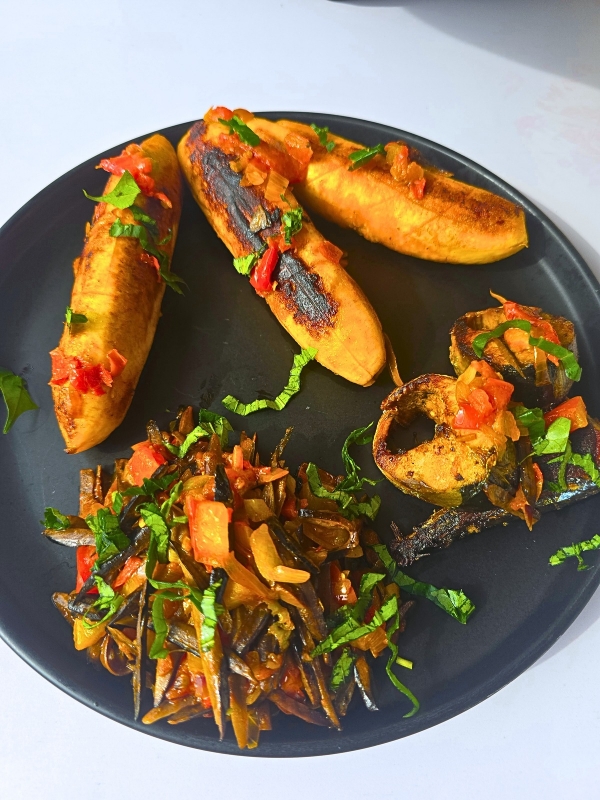
Nigerian Bole and Fish Recipe (Smoky Roasted Plantain and Fish); the best Nigerian Recipe.
Smoky, spicy, rich, and deeply satisfying, this Nigerian bole and fish recipe delivers the perfect balance of sweet roasted plantains, spicy fish, and flavorful palm oil sauce.
Whether you are searching for quick dinner recipes, healthy lunch ideas, satisfying comfort food, or even savory breakfast meals, this authentic Nigerian street food recipe brings bold African flavors directly into your kitchen.
Across Nigeria, bole and fish remains one of the most beloved street foods because it combines smoky roasted plantains, perfectly seasoned fish, spicy sauce, and deeply traditional local ingredients into one unforgettable meal.
In fact, many Nigerians associate the smell of roasting plantains with comfort, relaxation, family gatherings, and lively evening food spots.
Moreover, the combination of sweet ripe plantains and spicy palm oil sauce creates a flavor-packed meal that satisfies cravings instantly. At the same time, the slightly charred surface of the roasted plantains gives the dish its famous smoky taste.
Unlike fried meals that can feel heavy, oily, or overly greasy, this oven-roasted version feels lighter while still delivering the traditional Nigerian bole flavor people love.
Furthermore, it is easy to prepare, highly nutritious, family-friendly, budget-friendly, and perfect for anyone interested in healthy African food recipes.
Because the recipe combines carbohydrates, vegetables, healthy fats, and protein together, it creates a balanced meal that works perfectly for lunch, dinner, meal prep, or even breakfast.
In addition, this homemade bole and fish recipe allows you to enjoy authentic Nigerian street food from the comfort of your own kitchen while still maintaining that delicious smoky roadside flavor.
A Short Story Behind This Nigerian Bole and Fish Recipe
Growing up in Nigeria, evenings often came alive with the smell of roasting plantains drifting through busy streets.
From roadside vendors in Port Harcourt to neighborhood bole stands filled with customers waiting patiently for freshly roasted plantains, the smoky aroma always pulled people closer.
After long days at work, school, or market runs, many Nigerians stopped by bole spots for warm, spicy, filling meals. In fact, for many families, bole became more than just food. Instead, it became part of evening relaxation and social life.
One evening, after craving that same smoky roadside flavor, I decided to recreate the famous Nigerian bole and fish recipe at home.
However, instead of using open charcoal flames, I used the oven to achieve that beautiful roasted finish while still maintaining the traditional smoky flavor Nigerians love.
At the same time, I wanted the meal to feel richer, fresher, and healthier. Therefore, I paired the roasted plantains and fish with spicy palm oil sauce loaded with fermented oil bean, fresh tomatoes, onions, and utazi leaves.
Indeed, the result turned out incredibly delicious.
Specifically, the roasted plantains became golden and slightly charred. Meanwhile, the fish absorbed the spicy seasoning beautifully, while the palm oil sauce added deep traditional flavor.
Since then, this recipe has become one of my favorite quick dinner recipes because it is comforting, flavorful, easy to prepare, and highly satisfying.
Today, whenever I make this dish, it reminds me of warm Nigerian evenings, roadside food vendors, smoky grills, and the comforting feeling of homemade African food.
What Is Nigerian Bole and Fish Recipe?
In particular, bole is a popular Nigerian roasted plantain dish commonly sold as street food, especially in Southern Nigeria.
Traditionally, vendors roast ripe or semi-ripe plantains over open charcoal grills until they become golden, smoky, and slightly charred.
Afterward, the roasted plantains are served with fish, spicy pepper sauce, roasted yam, sweet potatoes, or palm oil-based sauces.
Although many regions prepare bole differently, Port Harcourt-style bole remains one of the most famous and most loved versions in Nigeria.
Specifically, this homemade version combines:
- Oven-roasted ripe plantains
- Roasted fish
- Spicy palm oil sauce
- Fermented oil bean (Ugba or Ukpaka)
- Fresh utazi leaves
- Tomatoes and onions
Because the dish combines sweet, spicy, smoky, savory, and slightly bitter flavors together, every bite tastes rich and satisfying.
Furthermore, bole and fish continues to gain popularity globally as more people discover authentic African cuisine and Nigerian street food.
As African food continues to grow internationally, recipes like bole and fish now appear in restaurants, food blogs, and social media cooking videos around the world.
Food Category Of Nigerian Bole and Fish Recipe
This Nigerian Bole and Fish Recipe recipe falls under several popular food categories, including:
- Nigerian street food
- African cuisine
- Healthy comfort food
- Seafood meals
- Quick dinner recipes
- Lunch recipes
- Breakfast recipes
- Roasted food recipes
- Healthy African meals
- Gluten-free meals
- Traditional Nigerian food
Because it works for multiple occasions, many families now include it in their weekly meal rotation.
Additionally, this recipe fits perfectly into modern healthy eating goals because it focuses more on roasting instead of deep frying.
Where Does Bole and Fish Recipe Originate From?
Bole originates from Southern Nigeria, especially Rivers State and other parts of the Niger Delta region.
In particular, Port Harcourt is widely known for its famous bole culture.
Across the city, roadside vendors roast plantains over hot charcoal grills while serving them with spicy fish and pepper sauce.
As a result, Port Harcourt bole has become one of the most recognized Nigerian street foods.
Over time, however, homemade versions became increasingly popular because many people wanted healthier, cleaner, and more affordable alternatives to roadside meals.
Today, many Nigerians prepare bole using:
- Ovens
- Air fryers
- Outdoor grills
- Charcoal grills
- Stovetop grill pans
Even though preparation methods may vary, the smoky flavor remains the heart of the dish.
Moreover, many Nigerians living abroad now recreate bole at home because the recipe reminds them of home, family gatherings, and Nigerian street culture.
Why This Nigerian Bole and Fish Recipe Is Special
Indeed, there are countless roasted plantain recipes online. However, this version stands out for several important reasons.
First, the seasoning mixture penetrates deeply into the sliced plantains, making every bite flavorful.
Second, the spicy palm oil sauce adds richness, moisture, and depth.
Additionally, fermented oil bean introduces a traditional Nigerian flavor that makes the dish taste authentic and unique.
Most importantly, this recipe balances:
- Sweetness
- Heat
- Smokiness
- Savory flavors
- Fresh herbal notes
- Rich umami flavor
As a result, the dish tastes complex while still remaining easy to prepare.
Furthermore, the oven-roasting method makes the recipe healthier while still maintaining authentic Nigerian street food flavor.
Because the ingredients are simple and affordable, the recipe also works perfectly for families on a budget.
When Is Nigerian Bole and Fish Recipe Eaten?
Above all, one reason Nigerians love bole and fish is its flexibility.
In fact, you can enjoy it at almost any time of the day.
For example, many people eat it as:
- A quick dinner recipe after a busy day
- A filling lunch
- A savory breakfast option
- Weekend comfort food
- Evening street-food-style snacks
- Family meals
- Party food
- Outdoor gathering meals
- Weekend relaxation meals
Because the meal contains carbohydrates, healthy fats, fiber, and protein, it keeps you satisfied for hours.
Also, it works perfectly for both busy weekdays and relaxed weekends.
Moreover, many Nigerians enjoy bole during evening outings because the smoky aroma feels comforting after a stressful day.
Why You Will Love This Nigerian Bole and Fish Recipe
Indeed, there are many reasons to love this homemade Nigerian bole and fish recipe.
1. It Is Easy to Prepare
Although the flavors taste rich and complex, the cooking process remains simple and beginner-friendly.
2. It Has Authentic Smoky Flavor
In particular, the slight charring gives the dish that classic Nigerian bole taste people crave.
3. It Is Budget-Friendly
Notably, plantains and fish remain affordable ingredients in many Nigerian homes.
4. It Is Highly Nutritious
Furthermore, this meal combines vegetables, protein, healthy fats, and fiber-rich ingredients together.
5. It Works for Meal Prep
Additionally, you can easily store leftovers and reheat them later.
6. It Fits Healthy Eating Goals
Since the dish uses roasting instead of deep frying, it feels lighter and healthier.
7. It Is Naturally Gluten-Free
As a result, people avoiding gluten can comfortably enjoy this recipe.
8. It Is Family-Friendly
In fact, both adults and children enjoy the sweet and smoky flavor combination.
9. It Is Rich in Flavor
Moreover, every ingredient contributes something delicious to the final dish.
10. It Feels Comforting and Satisfying
Because the dish is warm, smoky, spicy, and filling, it feels deeply comforting.
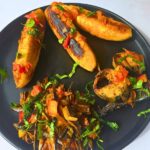
Nigerian Bole and Fish Recipe (Smoky Roasted Plantain and Fish).
Equipment
- 1 Oven or Air Fryer. for smoking the fish and plantain
Ingredients
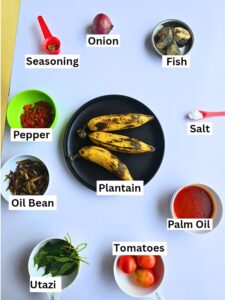
- 3 whole ripe plantains Use firm ripe plantains with yellow skin and few black spots for the perfect sweet flavor and roasted texture. Overripe plantains may become too soft during roasting.
- 3 whole fish cuts Croaker, catfish, tilapia, or mackerel work best because they absorb seasoning well and roast beautifully without drying out.
- 1 teaspoon salt Adjust salt carefully because the stock cubes already contain sodium and seasoning.
- 2 tablespoons freshly ground pepper Fresh pepper gives the sauce its bold spicy flavor and authentic Nigerian street-food taste. You can reduce the quantity for milder heat.
- 1 teaspoon stock cube seasoning Adds savory depth and umami flavor to both the fish and roasted plantains.
- 1 whole medium onion Fresh onions add sweetness, aroma, and richness to the palm oil sauce while balancing the heat from the pepper.
- 3 whole fresh tomatoes Tomatoes add freshness, moisture, slight sweetness, and vibrant color to the sauce.
- ½ cup palm oil Palm oil creates the traditional Nigerian bole flavor and gives the sauce its rich color and authentic taste.
- 1 cup fermented sliced oil bean Ugba adds deep traditional Nigerian flavor and slight fermented richness that makes the sauce unique and flavorful.
- 1 handful utazi leaves Utazi leaves add slight bitterness and freshness that perfectly balance the sweetness of the roasted plantains and richness of the sauce.
Instructions
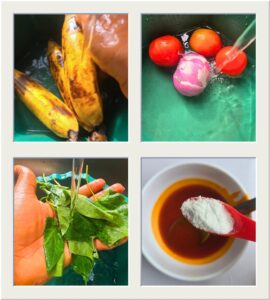
- Step 1: Prepare the Plantains: First, wash the ripe plantains thoroughly. Next, peel off the back skin carefully. Then, make several slice cuts or marks across the body of each plantain. These cuts help the seasoning penetrate deeply during roasting. Additionally, the cuts help the plantains cook evenly.

- Step 2: Prepare the Vegetables: Wash and dice: Onion, Tomatoes, Utazi leaves. Afterward, separate portions for the roasting rub and sauce.

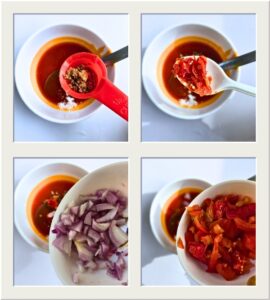
- Step 3: Make the Roasting Rub: In a bowl, combine: Palm oil, Salt, round pepper, Stock cube seasoning, Some diced onions, Some diced tomatoes, Then stir thoroughly until fully mixed. As a result, the mixture should look rich, spicy, and colorful.
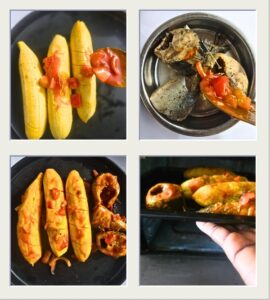
- Step 4: Season the Plantains and Fish: Next, scoop the seasoning mixture generously onto the plantains. Then rub the sauce deeply into the slice cuts. This process ensures maximum flavor penetration. Afterward, coat the fish slices with the remaining mixture. Allow everything to sit for a few minutes before roasting. As a result, the ingredients absorb the seasoning better.
- Step 5: Roast the Plantains and Fish: Arrange the seasoned plantains and fish on a baking tray. Then bake in a preheated oven at 400°F (200°C) for about 30–40 minutes. Roast until: The plantains become golden, The edges slightly char, The fish cooks completely, The aroma becomes smoky and rich. Importantly, the slight burnt edges create the authentic bole flavor Nigerians love. Meanwhile, halfway through cooking, turn the fish and plantains gently for even roasting.
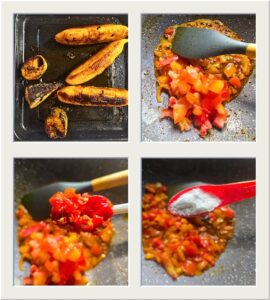
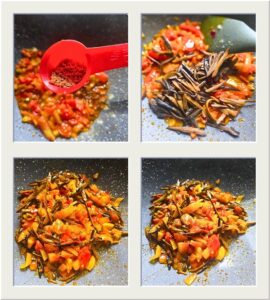
- Step 6: Prepare the Palm Oil Sauce: While the plantains and fish roast, place a frying pan over medium heat. Next, add the remaining palm oil. Then add: Remaining onions, Remaining tomatoes, Remaining pepper, Remaining seasoning, Salt. Serve the golden roasted plantains with fish and spicy palm oil sauce. Finally, sprinkle chopped utazi leaves over the sauce before serving. The freshness of the utazi balances the smoky richness beautifully.
Notes
Ingredients For Nigerian Bole and Fish Recipe
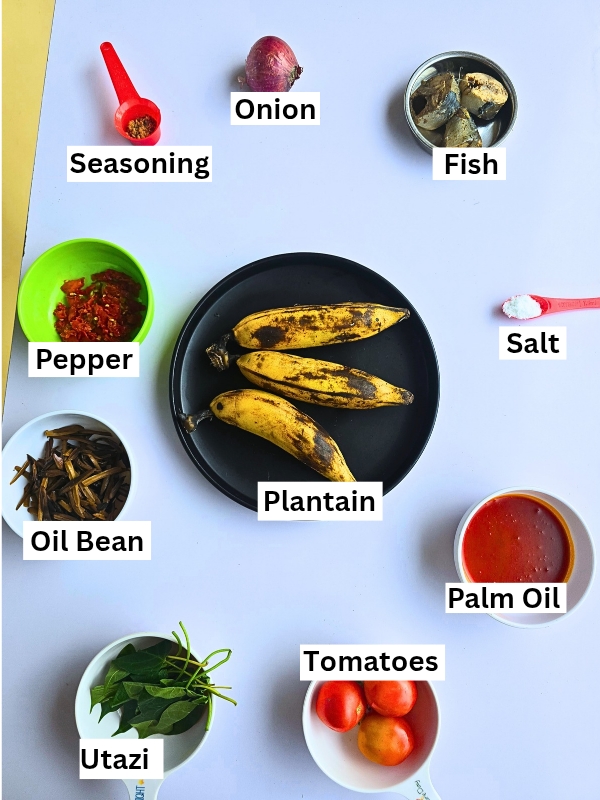
- 3 ripe plantains
- 3 fish cuts (tilapia, croaker, catfish, or mackerel)
- 1 teaspoon salt
- 2 tablespoons freshly ground pepper
- 1 teaspoon stock cube seasoning
- 1 medium onion, diced
- 3 fresh tomatoes, diced
- ½ cup palm oil
For the Sauce Of Nigerian Bole and Fish Recipe
- 1 cup fermented sliced oil bean (Ugba or Ukpaka)
- Remaining palm oil from above
- Remaining diced onions
- Remaining diced tomatoes
- Remaining pepper mixture
- Remaining seasoning and salt
- Handful of utazi leaves, chopped
Ingredient Notes and Substitutes For Nigerian Bole and Fish Recipe
Plantains
Ripe plantains work best because they caramelize beautifully during roasting.
However, semi-ripe plantains also work well if you prefer less sweetness and firmer texture.
Best Plantain Tips
- Choose yellow plantains with few black spots.
- Avoid overly soft plantains.
- Firm ripe plantains roast better.
- Wash thoroughly before peeling.
Moreover, if you enjoy plantains prepared in creative ways, you will also love this Plantain Boat Recipe— roasted plantains stuffed with a savory beef and vegetable filling that makes a stunning and satisfying meal.
Plantain Substitutes
- Sweet potatoes
- Yam slices — furthermore, if you enjoy yam-based meals, try this comforting Simple Yam Porridge Recipe that uses palm oil, ugba, and fresh vegetables for a deeply flavorful result
- Cooking bananas
- Butternut squash
Although substitutes work, ripe plantains still provide the most authentic bole flavor.
Fish For Nigerian Bole and Fish Recipe
Croaker, catfish, tilapia, and mackerel all work beautifully in this recipe.
Best Fish Choices For Nigerian Bole and Fish Recipe
- Croaker for authentic street-style flavor
- Catfish for richness
- Tilapia for mild flavor
- Mackerel for oily smoky taste
Additionally, if you want a different but equally bold fish preparation, try this Oven-Grilled Fish Recipe— same deep Nigerian seasoning, beautiful texture, and perfect as a side or standalone meal.
Furthermore, if you love bold Nigerian fish dishes with spice and warmth, this Spicy Catfish Pepper Soup deserves a spot on your table — deeply aromatic, comforting, and packed with traditional spices.
Fish Substitutes For Nigerian Bole and Fish Recipe
- Chicken
- Turkey
- Mushrooms
- Tofu
Meanwhile, vegetarians can replace fish with grilled mushrooms for a satisfying meat-free option.
Fermented Oil Bean (Ugba)
Ugba gives the sauce its traditional Eastern Nigerian flavor. Because it carries a slightly fermented taste, it adds deep umami richness to every bite.
Substitute Options
- Sliced mushrooms
- Black beans
- Chickpeas
- Leave out entirely
Although substitutes work, authentic ugba gives the best traditional taste.
Utazi Leaves
Utazi leaves add slight bitterness that balances the sweetness of ripe plantains. Additionally, they contribute freshness and aroma.
Substitute Options
- Scent leaves
- Kale
- Spinach
- Bitter leaves
Palm Oil
Nigerian palm oil gives this recipe its authentic flavor and vibrant orange color.
Palm Oil Alternatives
- Olive oil
- Avocado oil
- Coconut oil
However, using substitutes changes the traditional taste significantly.
Kitchen Tools You Need For Nigerian Bole and Fish Recipe
Before starting, gather these kitchen tools:
- Baking tray
- Oven
- Sharp knife
- Chopping board
- Mixing bowl
- Spoon
- Frying pan
- Aluminum foil (optional)
Having everything ready beforehand makes cooking easier, smoother, and faster.
How to Make Nigerian Bole and Fish Recipe
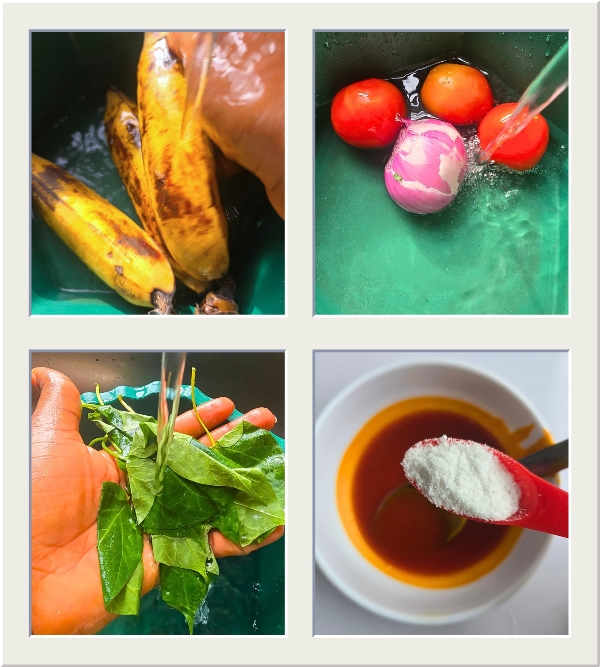
Step 1: Prepare the Plantains
First, wash the ripe plantains thoroughly.
Next, peel off the back skin carefully.
Then, make several slice cuts or marks across the body of each plantain.
These cuts help the seasoning penetrate deeply during roasting.
Additionally, the cuts help the plantains cook evenly.
Step 2: Prepare the Vegetables
Wash and dice:
- Onion
- Tomatoes
- Utazi leaves
Afterward, separate portions for the roasting rub and sauce.
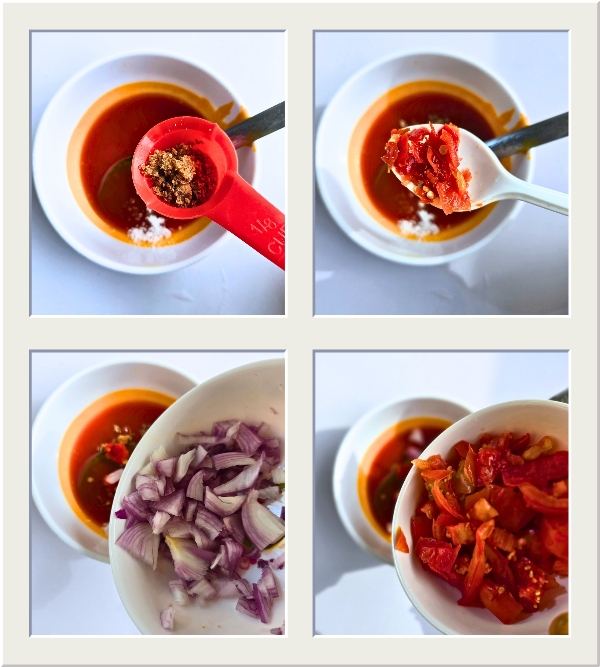
Step 3: Make the Roasting Rub
In a bowl, combine:
- Palm oil
- Salt
- Ground pepper
- Stock cube seasoning
- Some diced onions
- Some diced tomatoes
Then stir thoroughly until fully mixed.
As a result, the mixture should look rich, spicy, and colorful.
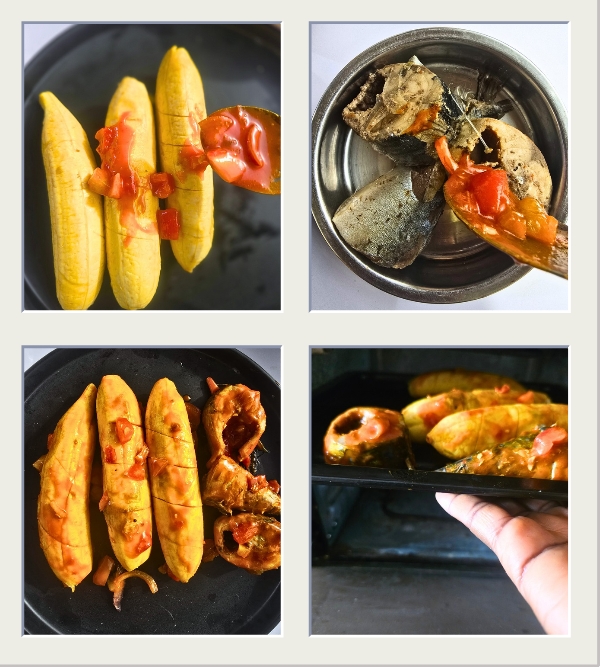
Step 4: Season the Plantains and Fish
Next, scoop the seasoning mixture generously onto the plantains.
Then rub the sauce deeply into the slice cuts.
This process ensures maximum flavor penetration.
Afterward, coat the fish slices with the remaining mixture.
Allow everything to sit for a few minutes before roasting.
As a result, the ingredients absorb the seasoning better.
Step 5: Roast the Plantains and Fish
Arrange the seasoned plantains and fish on a baking tray.
Then bake in a preheated oven at 400°F (200°C) for about 20–25 minutes.
Roast until:
- The plantains become golden
- The edges slightly char
- The fish cooks completely
- The aroma becomes smoky and rich
Importantly, the slight burnt edges create the authentic bole flavor Nigerians love.
Meanwhile, halfway through cooking, turn the fish and plantains gently for even roasting.
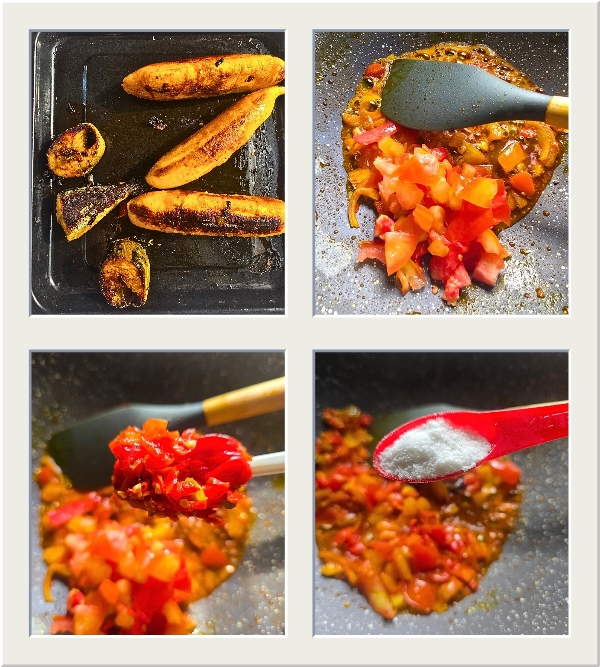
Step 6: Prepare the Palm Oil Sauce
While the plantains and fish roast, place a frying pan over medium heat.
Next, add the remaining palm oil.
Then add:
- Remaining onions
- Remaining tomatoes
- Remaining pepper
- Remaining seasoning
- Salt
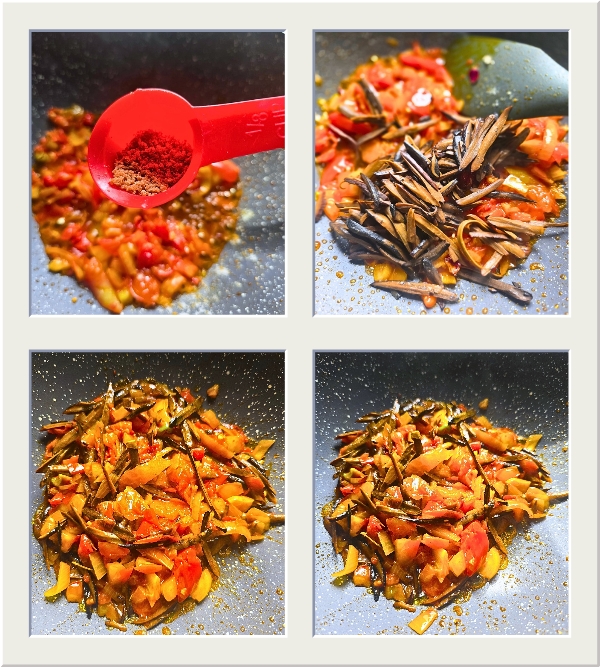
In fact, this sauce base follows a similar method to this Nigerian Tomato Stew— bold, deeply seasoned, and rich with palm oil. Therefore, stir continuously for about 2 minutes so the flavors develop properly.
Afterward, add the fermented oil bean.
Cook briefly until everything combines properly.
Importantly, avoid overcooking because the sauce tastes better fresh.
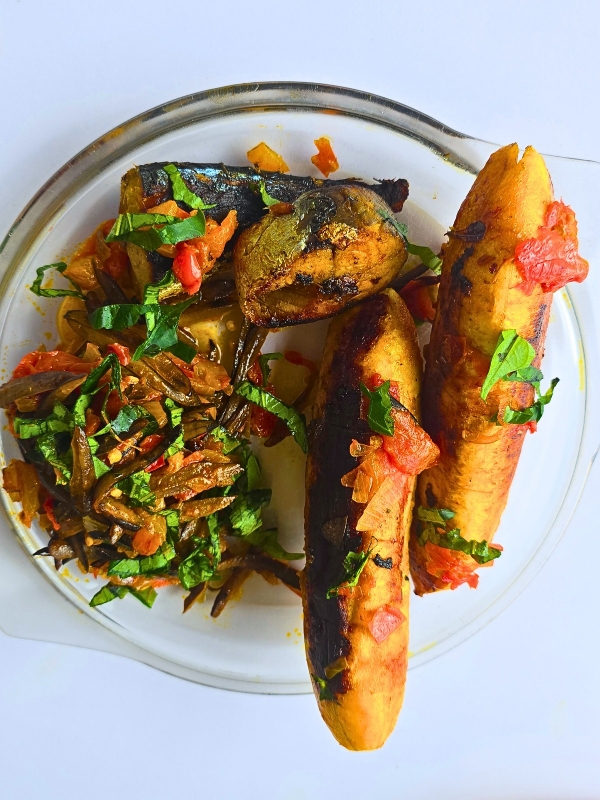
Step 7: Serve
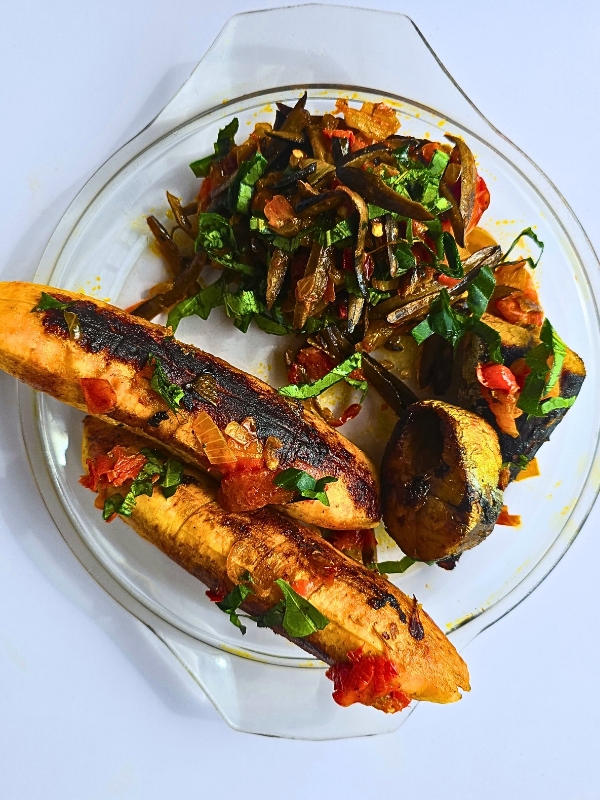
Serve the golden roasted plantains with fish and spicy palm oil sauce.
Finally, sprinkle chopped utazi leaves over the sauce before serving.
The freshness of the utazi balances the smoky richness beautifully.
Moreover, if you want a crunchy side snack to serve alongside, these Homemade Plantain Chips pair wonderfully with the spicy palm oil sauce and make the meal feel even more complete.
Enjoy immediately while hot.
Expert Tips for the Best Nigerian Bole and Fish Recipe
Use Firm Ripe Plantains
First and foremost, firm ripe plantains roast better without becoming mushy.
Do Not Skip the Cuts
Importantly, the cuts allow seasoning to soak deeply into the plantains.
Roast Until Slightly Charred
In particular, that slight burnt surface creates authentic smoky flavor.
Use Freshly Ground Pepper
Additionally, fresh pepper provides stronger flavor and aroma.
Avoid Excess Sauce on the Tray
Otherwise, too much liquid can steam the plantains instead of roasting them.
Add Utazi Last
Because utazi loses its freshness quickly, adding it at the end keeps the leaves vibrant.
Use Fresh Ingredients
Furthermore, fresh onions, tomatoes, and pepper improve the flavor significantly.
Common Mistakes to Avoid On Nigerian Bole and Fish Recipe
1. Using Overripe Plantains for Nigerian Bole and Fish Recipe
Specifically, very soft plantains can become mushy during roasting.
2. Skipping the Cuts on the Plantains for Nigerian Bole and Fish Recipe
Without cuts, the seasoning stays mostly on the surface. As a result, the plantains lack depth of flavor.
3. Overcrowding the Baking Tray for Nigerian Bole and Fish Recipe
In particular, crowding traps moisture and prevents proper roasting.
4. Overcooking the Sauce
The sauce only needs a few minutes. Otherwise, the ingredients lose freshness.
5. Using Too Much Salt
Palm oil sauce already carries intense flavor. Therefore, moderate seasoning works best.
6. Roasting at Low Temperature
Consequently, low heat prevents proper caramelization and smoky flavor.
7. Using Too Much Oil
Similarly, excess oil can make the dish overly heavy.
Frequently Asked Questions on Nigerian Bole and Fish Recipe
1. Are Plantain and Fish Healthy?
Yes, plantain and fish together create one of the most balanced and nutritious meal combinations in Nigerian cuisine.
First, plantains provide complex carbohydrates that release energy slowly, keeping you full and satisfied for longer. Furthermore, they contain significant amounts of potassium, vitamin C, vitamin A, and dietary fiber, all of which support heart health, digestion, and immunity.
At the same time, fish delivers high-quality protein, omega-3 fatty acids, and essential vitamins like B12 and D. Because omega-3 fatty acids actively reduce inflammation in the body, eating fish regularly supports brain health, heart function, and joint flexibility.
Moreover, when you roast plantains instead of frying them, as this recipe does, you significantly reduce the amount of added fat in the meal. In addition, roasting preserves more of the plantain’s natural nutrients compared to deep frying.
Therefore, this Nigerian bole and fish recipe gives you a meal that combines complex carbohydrates, lean protein, healthy fats, fiber, and essential micronutrients all in one satisfying plate.
Indeed, for anyone looking for healthy African food that still feels indulgent and comforting, bole and fish delivers on every level.
2. What Goes on a Smoked Fish Platter?
A well-built smoked fish platter balances bold smoky flavors with fresh, vibrant accompaniments that complement the richness of the fish.
First and foremost, the smoked fish itself forms the centerpiece. In Nigeria, popular choices include smoked mackerel, smoked croaker, smoked catfish, and smoked tilapia because each variety delivers a distinct depth of flavor.
Additionally, a great smoked fish platter typically includes:
- Roasted or boiled plantains — the natural sweetness of plantain balances the saltiness of smoked fish beautifully
- Spicy palm oil sauce — just like the sauce in this bole and fish recipe, a good pepper sauce adds heat, richness, and moisture
- Fresh tomatoes and onions — these add brightness and cut through the smokiness
- Utazi or scent leaves — furthermore, these fresh herbs add a clean herbal contrast
- Roasted yam or sweet potatoes — for a heartier spread
- Fresh cucumber or garden eggs — because their coolness balances the heat of the pepper sauce
- Ugba (fermented oil bean) — this adds a deeply savory, traditional Nigerian flavor dimension
Moreover, you can build the platter as a sharing meal by arranging all elements side by side, allowing everyone to combine flavors according to their preference. As a result, smoked fish platters work beautifully for family gatherings, outdoor meals, and weekend entertaining.
3. What Does Roasted Plantain Do for the Body?
Roasted plantain actively supports the body in several important ways, making it far more than just a delicious street food.
First, plantains contain a high level of complex carbohydrates that provide sustained energy throughout the day. Because they release glucose slowly into the bloodstream, they prevent sharp energy crashes that simple sugars often cause.
Furthermore, roasted plantains deliver a good amount of dietary fiber, which actively supports gut health, promotes regular digestion, and feeds beneficial gut bacteria.
Additionally, plantains contain significant amounts of potassium, a mineral that plays a critical role in regulating fluid balance, supporting muscle contractions, and maintaining healthy heart function.
Moreover, plantains provide vitamin C, which strengthens the immune system, promotes collagen production, and protects cells from oxidative damage. At the same time, they supply vitamin A, which supports healthy eyesight, skin health, and immune defense.
Because roasting preserves these nutrients better than deep frying, this bole and fish recipe allows you to enjoy all of plantain’s natural benefits without the excess oil that frying introduces.
In addition, the natural resistant starch in slightly firm roasted plantains acts as a prebiotic, feeding healthy gut bacteria and supporting long-term digestive health.
Therefore, every time you enjoy roasted plantain, you nourish your body with energy, fiber, vitamins, and minerals all at once.
4. Does Plantain Lower Blood Pressure?
Yes, plantain actively supports healthy blood pressure, and several of its key nutrients contribute directly to this effect.
First and foremost, plantains contain an impressive amount of potassium, a mineral that directly counteracts the effects of sodium in the body.
Because potassium helps relax blood vessel walls and encourages the kidneys to excrete excess sodium through urine, it naturally reduces pressure on the cardiovascular system.
Furthermore, the dietary fiber in plantains supports heart health by helping to reduce LDL cholesterol levels over time. As a result, regular consumption of fiber-rich foods like plantain contributes to better overall cardiovascular function.
Additionally, plantains contain magnesium, another mineral that plays an important role in maintaining healthy blood pressure by supporting proper blood vessel function.
However, it is important to note that preparation method matters significantly. Specifically, roasted plantains, like the ones in this bole and fish recipe, retain these blood pressure-supporting nutrients far better than deep-fried versions, which add excess saturated fat that can work against heart health.
Moreover, pairing roasted plantains with fish, as this recipe does, adds omega-3 fatty acids to the meal. Because omega-3s actively reduce inflammation and support arterial flexibility, the combination of plantain and fish creates a genuinely heart-supportive meal.
Therefore, while plantain alone does not replace medical treatment for hypertension, it absolutely forms a valuable part of a heart-healthy Nigerian diet when you prepare it the right way.
5. What to Eat With Bole?
Bole tastes best when you pair it with accompaniments that complement its smoky sweetness with bold, spicy, and savory contrasting flavors.
First and foremost, fish remains the most traditional and most popular pairing for bole, especially in Port Harcourt where roadside vendors always serve the two together.
In this recipe, seasoned roasted fish sits alongside the plantains and brings both protein and deep savory flavor to the meal.
Furthermore, spicy palm oil sauce is an essential part of the classic bole experience.
Because the sauce combines palm oil, fresh tomatoes, onions, pepper, and fermented oil bean (ugba), it adds richness, heat, and a deeply traditional Nigerian flavor that makes every bite more satisfying.
Additionally, many people enjoy bole with:
- Roasted yam — because yam adds a starchy, filling element that pairs naturally with the smoky plantain
- Ugba (fermented oil bean) — which contributes a bold umami flavor and traditional Eastern Nigerian character, exactly as this recipe uses it
- Fresh pepper sauce — for extra heat and moisture
- Utazi leaves — because their slight bitterness balances the natural sweetness of the roasted plantains beautifully
- Groundnuts (roasted peanuts) — a popular street-food pairing that adds crunch and nutty richness
- Chilled drinks — cold water, fresh fruit juice, or zobo drink all work wonderfully alongside the spiciness of bole and fish
Moreover, for a more filling family meal, you can serve bole and fish alongside a light Nigerian tomato stew for extra sauce and flavor variety.
In short, the best bole accompaniments balance heat, richness, and freshness against the natural sweetness of the roasted plantain.
6. What Kind of Fish Is Used in Bole?
Several types of fish work well in bole, and the best choice largely depends on personal preference, availability, and the flavor profile you want to achieve.
First, croaker fish remains the most traditional and most popular choice for Port Harcourt-style bole. Because croaker has firm flesh, a mild but distinct flavor, and absorbs seasoning beautifully during roasting, it delivers the most authentic bole and fish street food experience.
Furthermore, catfish is another excellent option because it has rich, meaty flesh that holds up well during roasting and carries bold spicing without falling apart. In this recipe, catfish works particularly well for anyone who loves a fuller, more substantial bite.
Additionally, tilapia works beautifully in bole because it has a mild, clean flavor that allows the palm oil seasoning and pepper rub to shine. Moreover, tilapia is widely available in both Nigerian markets and international grocery stores in the US and UK, making it a practical choice for the diaspora.
Mackerel also appears frequently in bole preparations, especially in its smoked form. Because mackerel has a naturally oily and rich flavor, it adds a deeper smokiness to the dish that pairs exceptionally well with the roasted plantain.
In this bole and fish recipe, you can use tilapia, croaker, catfish, or mackerel. However, for the most authentic Port Harcourt roadside bole experience, croaker remains the top recommendation.
Therefore, whatever fish you choose, the key is to season it generously with palm oil, fresh pepper, onions, and stock cube seasoning before roasting, exactly as this recipe guides you.
7. What Is the Tastiest Fish in Nigeria?
Nigeria boasts an impressive variety of delicious freshwater and saltwater fish, and several consistently stand out as crowd favorites.
First and foremost, croaker fish holds a special place in Nigerian cuisine because of its firm texture, clean mild flavor, and incredible ability to absorb bold seasonings.
Moreover, roadside vendors across Southern Nigeria use croaker as the fish of choice in bole and fish, which speaks directly to how well it carries spice and smoke.
Furthermore, catfish ranks among the most beloved fish in Nigeria because of its rich, meaty flesh and deeply satisfying flavor.
In fact, catfish appears in so many Nigerian recipes — from pepper soup to bole and fish to fried fish stew — because it consistently delivers bold, crowd-pleasing results.
Additionally, tilapia earns strong popularity across Nigeria because it is widely available, affordable, and versatile. Because tilapia adapts well to frying, roasting, grilling, and stewing, it appears on Nigerian tables in many forms.
Moreover, Nigerian consumers also love:
- Mackerel (titus fish) — prized for its oily, rich flesh and strong flavor, especially in stews and smoked preparations
- Snapper — valued for its firm, sweet flesh and elegant presentation
- Stockfish (okporoko) — a dried preserved fish with an intense umami flavor that forms the backbone of many traditional Nigerian soups
Ultimately, catfish and croaker compete most closely for the title of Nigeria’s tastiest fish, depending on whether you prefer bold richness or clean firm flesh. In this bole and fish recipe, both perform exceptionally well and deliver deeply satisfying results.
8. How to Make Port Harcourt Bole Sauce?
Port Harcourt bole sauce is what separates a good bole experience from an unforgettable one.
Specifically, it combines palm oil, fresh pepper, onions, tomatoes, fermented oil bean (ugba), and utazi leaves into a bold, deeply flavored sauce that complements the smoky roasted plantains perfectly.
Here is exactly how to make it, following this bole and fish recipe:
Ingredients for the sauce:
- Remaining palm oil from the roasting rub
- Remaining diced onions
- Remaining diced fresh tomatoes
- Remaining ground pepper mixture
- Remaining seasoning and salt
- 1 cup fermented sliced oil bean (ugba or ukpaka)
- A handful of fresh utazi leaves, chopped
Method For Nigerian Bole and Fish Recipe:
First, place a frying pan over medium heat and add the palm oil. Because palm oil forms the rich, flavorful base of the sauce, use good quality Nigerian red palm oil for the best result.
Next, add the diced onions and stir immediately. Then add the diced tomatoes, ground pepper, seasoning, and salt. Stir everything together continuously for about 2 minutes so the flavors develop and combine properly.
Afterward, add the fermented oil bean (ugba) and stir gently to incorporate. Because ugba carries an intense, savory fermented flavor, it transforms the sauce from a simple pepper stew into a deeply traditional Port Harcourt bole sauce.
Importantly, cook the sauce briefly and avoid overcooking it, because fresh ingredients lose their vibrancy quickly over high heat. The sauce tastes far better when it retains a little freshness.
Finally, remove from heat and sprinkle the chopped utazi leaves directly into the sauce just before serving. Because utazi leaves add a pleasant slight bitterness that cuts through the richness of the palm oil, adding them last preserves their flavor and aroma beautifully.
Therefore, pour this sauce generously over the roasted plantains and fish immediately, and serve hot for the most authentic Port Harcourt bole experience.
Conclusion for Nigerian Bole and Fish Recipe
This Nigerian bole and fish recipe combines smoky roasted plantains, spicy fish, flavorful palm oil sauce, fermented oil bean, tomatoes, onions, and fresh utazi leaves into one unforgettable meal.
Whether you are searching for quick dinner recipes, easy lunch ideas, healthy African meals, traditional Nigerian recipes, or comforting breakfast dishes, this recipe delivers flavor, nutrition, comfort, and satisfaction in every bite.
The sweet roasted plantains paired with spicy sauce and smoky fish create a truly authentic Nigerian food experience that feels comforting, rich, and deeply satisfying.
Moreover, the recipe remains simple enough for beginners while still tasting restaurant-quality.
Because the dish balances sweetness, heat, smokiness, and savory flavor beautifully, it continues to remain one of Nigeria’s most loved comfort foods.
If you love Nigerian street food, this homemade bole and fish recipe deserves a permanent spot in your kitchen.
Once you try it, you will understand why bole continues to remain one of Nigeria’s most beloved comfort foods.
A hearty Nigerian Street Food