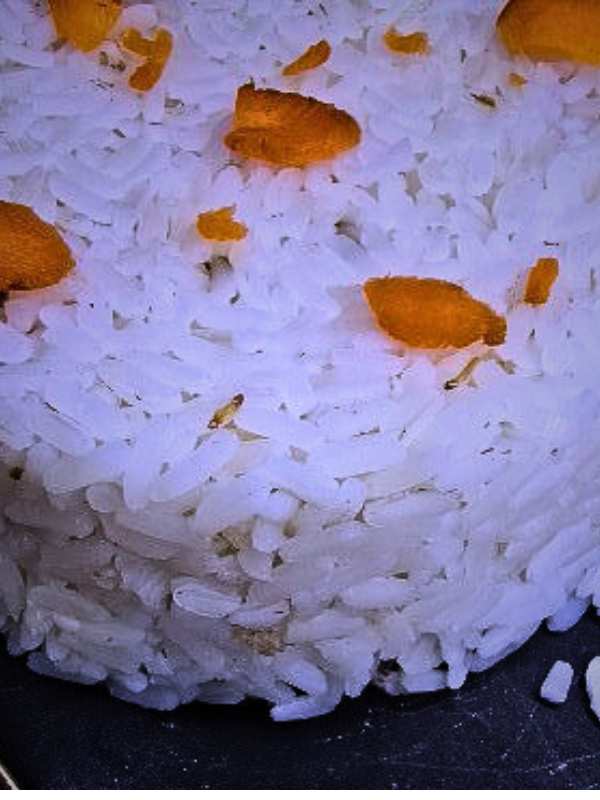
Nigerian Local Rice Recipe that doesn’t stick.
Nigerian’s local white rice is one of Nigerian’s favorite meal. In fact, in many homes, the first thing a child is expected to know how to cook is local white rice.
Although it is considered the easiest to cook and most versatile, I still remember soggy rice a couple of times before I finally got it right. Nigerian local rice can also be used to cook party jollof. See full recipe on How to Make Party Jollof Rice
Many people run away from cooking Nigerian local white rice because they believe it soaks too much water and spoils easily.
However, the truth is that most people just don’t know how to cook it the right way.
Local white rice is one of the most loved staples in Nigeria. It is eaten almost every day in many homes.
Moreover, this rice is packed with more vitamins more than the highly polished Imported rice, which I will highlight at the end of this guide.
Some popular states known for cultivating local rice are Abakiliki, some parts of Enugu like Oduma and Nsukka, and also Benue State.
Cooking Nigerian Local white rice may look basic, but when you do it properly, it comes out soft, separate, and, ready to enjoy with tomato stew, beans, vegetables, or even fried plantain. Therefore, cooking it the right way makes all the difference.
So, if you’ve ever struggled with rice that turns out sticky or soggy, this step-by-step guide will show you exactly how to get it right.
Nigerian local white rice so it comes out soft, separate, and ready to enjoy with any sauce or side dish.
Nigerian Local Rice Recipe.
Equipment
- 1 pot cooking the rice
Ingredients
- 3 cups local white rice Use authentic Nigerian local rice for the most genuine earthy flavor and fluffy texture. Available at African grocery stores or online on Amazon. Do not substitute with imported long grain rice as it lacks the distinctive authentic flavor that makes this recipe special.
- 6 cups water Use 6 cups of clean water; enough to cover the rice by about 1 inch. Always measure accurately as too much water makes the rice soggy while too little leaves it undercooked.
- ½ teaspoon salt Half a teaspoon is the perfect amount for 3 cups of rice; seasons subtly without overpowering the natural earthy flavor of the Nigerian local rice. Adjust slightly to your personal taste preference.
Instructions
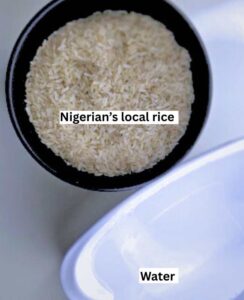
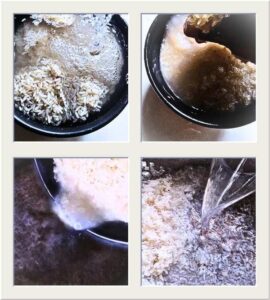
- Step 1: Rinse the Local Rice- Pour the rice into a bowl and rinse with clean water 2–3 times. This removes excess starch and any dirt. Drain the water out.
- Step 2: Parboil (Optional, but common in Nigeria- Add the rice into a pot and cover with water. Boil for 5–7 minutes. Drain and rinse again to reduce excess starch and give the rice a cleaner taste.
- Step 3: Cook the Rice: Return the parboiled rice to the pot. Add about 6 cups of water (enough to cover the rice by about 1 inch). Add salt to taste and a little oil if desired. Cover and cook on medium heat for 20–25 minutes, until the grains are soft but not mushy.
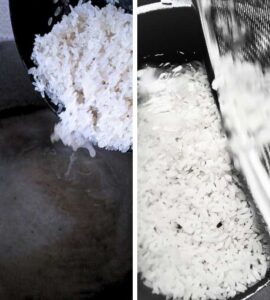
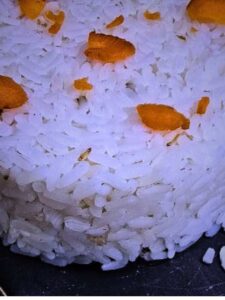
- Step 4: Finish Up- Turn off the heat. Your rice should be light, tender, and not sticky.
Notes
Rinse your local rice 2-3 times until the water runs clearer; this removes excess starch and any dirt ensuring a cleaner tasting final result.
Parboiling tip:
Never skip the parboil step; boiling for 5-7 minutes before cooking dramatically reduces excess starch and gives Nigerian local rice its signature clean light flavor that imported rice simply cannot replicate.
Water ratio tip:
Use enough water to cover the rice by about 1 inch; too much water makes the rice soggy while too little leaves it undercooked. Check occasionally and add small amounts if needed.
Cooking tip:
Cook on medium heat with the lid on; resist the urge to lift the lid frequently as this releases steam and affects the final texture significantly.
Doneness tip:
Your rice is perfectly done when grains are light, tender and separate; not sticky or mushy. Turn off heat immediately once done and allow to rest for 3-5 minutes before serving.
Serving suggestion:
Best served hot alongside Nigerian soups, stews, ofe akwu, egusi or any rich Nigerian sauce for a complete traditional meal.
Storage tip:
Store leftover rice in an airtight container in the refrigerator for up to 3 days. Reheat in a pot with a splash of water over medium heat or microwave for 2 minutes until heated through.
Ingredients needed (Serves 4)
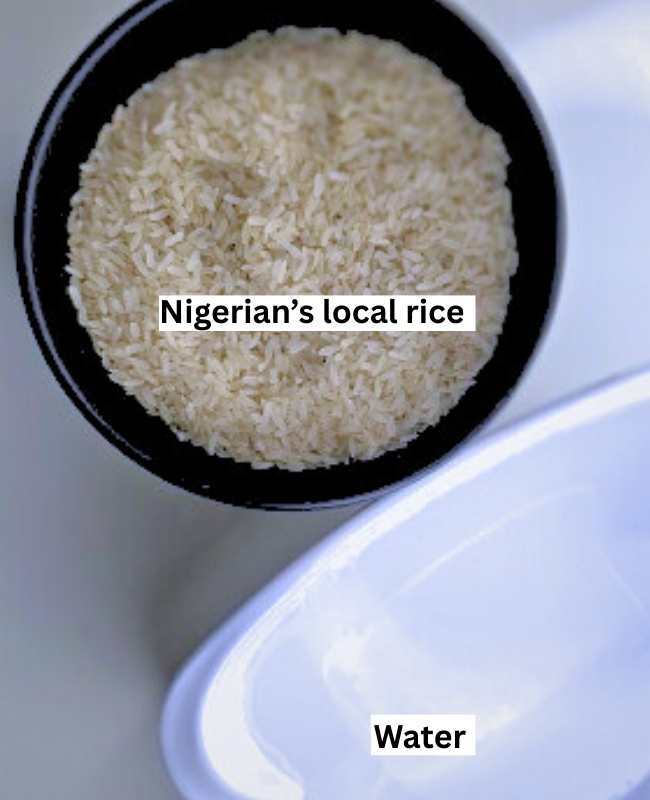
- 3 cups of local white rice
- 6 cups water (adjust if needed)
- ½ teaspoon salt (optional)
Nigerian Local Rice Recipe (Step-by-Step Instructions):
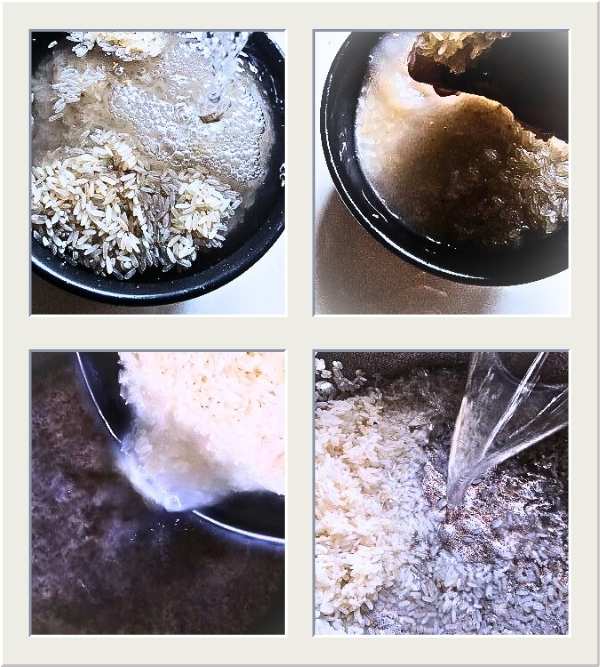
Step 1: Rinse the Local Rice- Pour the rice into a bowl and rinse with clean water 2–3 times. This removes excess starch and any dirt. Drain the water out.
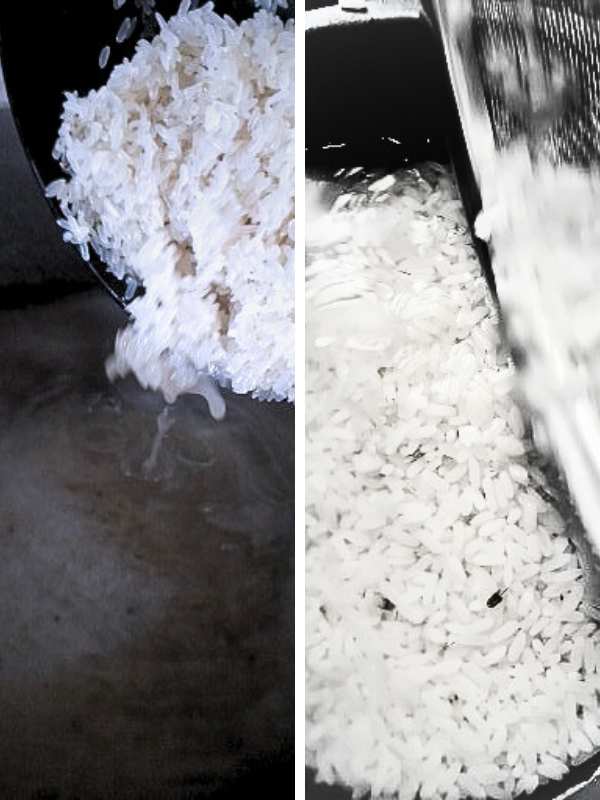
Step 2: Parboil (Optional, but common in Nigeria- Add the rice into a pot and cover with water. Boil for 5–7 minutes.
Drain and rinse again to reduce excess starch and give the rice a cleaner taste.
Step 3: Cook the Rice: Return the parboiled rice to the pot.
Add about 6 cups of water (enough to cover the rice by about 1 inch).
Add salt to taste and a little oil if desired.
Cover and cook on medium heat for 20–25 minutes, until the grains are soft but not mushy
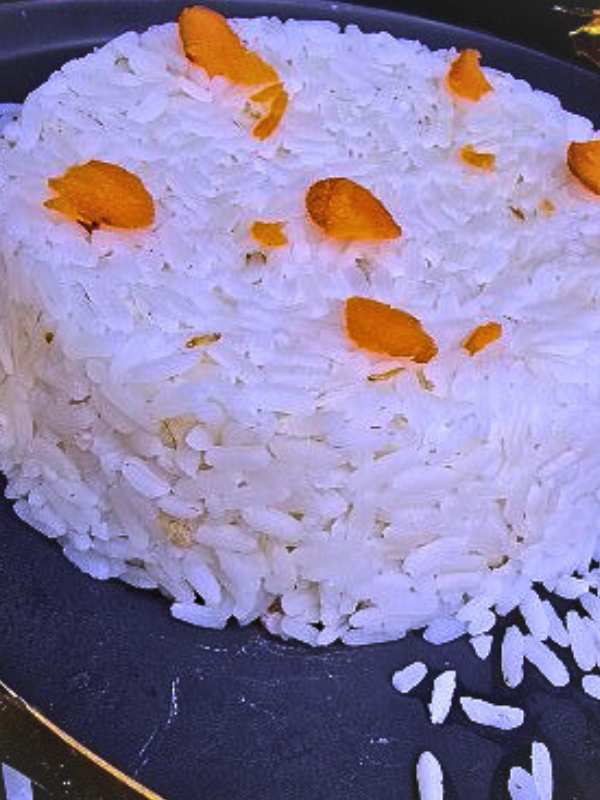
Step 4: Finish Up- Turn off the heat. Your rice should be light, tender, and not sticky.
Tips on Nigerian Local Rice Recipe
Use just enough water — too much will make it soggy, too little will burn it.
Cook on medium heat: High heat makes the water dry up too quickly.
If you prefer firmer rice, reduce the water slightly. For softer rice, add a little extra.
What to Serve this with:
Classic Nigerian tomato stew (with chicken, beef, or fish) vjf gjdy
Beans (rice and beans combo)
Egusi soup or vegetable sauce
Fried plantains on the side
Or simply enjoy with peppered chicken or grilled fish
Frequently Asked Questions on Nigerian Rice
What is Nigerian local rice?
Nigerian local rice is an indigenous minimally processed rice variety grown across Nigeria — including popular types like Ofada and Abakaliki rice. Furthermore it actively retains more natural nutrients, fiber and authentic earthy flavor than imported varieties.
Is Nigerian local rice healthier than imported rice?
Yes — Nigerian local rice is significantly more nutritious than imported white rice. Additionally its lower glycemic index and higher fiber content make it perfect for weight management and diabetes control.
What does Nigerian local rice taste like?
Nigerian local rice delivers a distinctive earthy nutty flavor that imported rice cannot replicate. Moreover it absorbs soups and stews more deeply — consequently producing a richer more satisfying meal.
Why do you parboil Nigerian local rice before cooking?
Parboiling for 5-7 minutes actively removes excess starch, reduces stickiness and delivers a cleaner lighter texture. Furthermore it shortens cooking time and ensures every grain cooks evenly without clumping.
What is the difference between local rice and foreign rice?
Nigerian local rice has shorter grains with a distinct earthy aroma and richer flavor while imported rice features longer uniform grains with neutral taste. Additionally local rice retains significantly more nutrients being far less processed.
What do you eat Nigerian local rice with?
Nigerian local rice pairs beautifully with ofe akwu, egusi soup, afang soup, tomato stew and native sauce. Furthermore it makes an excellent base for authentic Nigerian party jollof rice.
Where can I buy Nigerian local rice outside Nigeria?
Nigerian local rice is available at African grocery stores across the US, UK and Canada. Additionally popular varieties like Ofada and Abakaliki rice are available online on Amazon for Nigerian diaspora worldwide.
Conclusion on Nigerian Local Rice Recipe
Nigerian local white rice may look simple, but it is a comfort food that brings families together. Once you master cooking it soft and separate, you can pair it with almost anything. Whether you’re in Lagos, London, or Los Angeles, this dish will always remind you of home-style comfort and versatility.
Nutritional Value of Nigerian Local White Rice
Nigerian local white rice is not just about flavor—it also packs a healthy punch. Unlike many heavily processed imported varieties, local rice is often less polished, which means it retains more fiber, vitamins, and minerals.
Here’s what you get from 100 grams of cooked Nigerian local white rice:
- Calories: ~130–150 kcal (a good source of energy)
- Carbohydrates: 28–31 g (fuel for the body)nutruiendt cinronn idndid ishdb dju nduhswydbci 9djdo
- Protein: 2–3 g (supports muscle repair and growth)
- Fat: 0.3–0.5 g (naturally low-fat and heart-friendly)
- Fiber: 1–2 g (aids digestion and keeps you full), the
Key Vitamins:
Nigerian’s local white rice contains the following vitamins:
- B Vitamins (B1, B3, B6, Folate): Support metabolism, brain health, and blood formation
- Vitamin E: Acts as an antioxidant, protecting your cells Essential Minerals
- Iron: Important for healthy blood
- Magnesium & Phosphorus: Keep your bones and heart strong
- Manganese & Zinc: Boost your immune system and metabolism
Why choose this rice?
- Nigerian’s local white rice is nutrient-rich and less processed than most imported rice.
- It has a unique aroma and earthy flavor that shines in dishes like jollof rice, fried rice, and native rice.
- Naturally gluten-free and suitable for many diets worldwide.
You may also like:
How to Roast Groundnuts (Peanuts) at Home
This post really caught my attention. You’ve explained everything so clearly—great work