
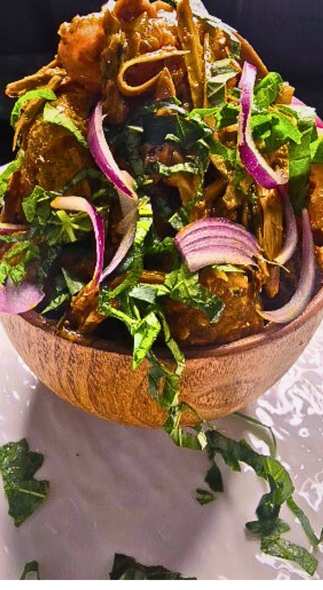
You are about to learn how to make authentic Nkwobi ever.
If you’ve ever tasted Nkwobi, you’ll agree that it is one of the most irresistible traditional delicacies from Nigeria.
This dish is rich, spicy, and creamy, often enjoyed as a special treat with a chilled drink in many Nigerian restaurants and bars especially in the southeastern and southern parts of the country.
When I was a child, I’ve always wanted to be an adult so fast so I will be eating nkwobi. Lol, that was because it was a dish prepared mainly for my dad then and other elders as this delicacy is so rich and tagged food for the rich and packed with so much nutrients.
For foreigners or first-timers, these ingredients might sound exotic, but each one plays an important role in achieving the signature taste of this beloved Nigerian dish. Nkwobi can be paired with Oven Grille Fish for maximum satisfaction.
In this special curated recipe, you’ll not only learn how to prepare authentic Nkwobi at home but also understand the ingredients, their local names, and their substitutes. I’ll also share frequently asked questions to help beginners or curious food lovers around the world discover this gem of Nigerian cuisine.
What is Nigerian Nkwobi?
Nkwobi is a traditional Igbo dish made with cow skin (locally called Pomo in Nigeria). The skin is thoroughly cooked until soft and then coated in a richly spiced palm oil sauce thickened with akanwu (potash).
It is often garnished with utazi leaves, which adds a slightly bitter taste that balances the richness of the palm oil.
While Nkwobi is commonly eaten in bars and restaurants as a “night-out” dish, it is also enjoyed at home by families who want a flavorful delicacy to share.
How to make Nkwobi (Nigerian Cow Skin Recipe with Pomo)
Equipment
- 1 Pan. for toasting the spices
Ingredients
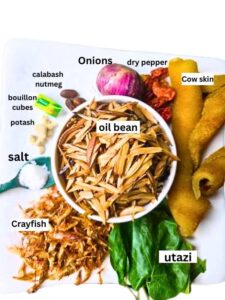
- 1 kg Pomo Clean and scrub cow skin thoroughly before cooking. Boil until tender and chewy before adding to your nkwobi sauce for best texture and flavor absorption.
- 1 cup palm oil Use fresh quality palm oil; gently warm before adding to preserve its rich natural flavor and vibrant color
- 2 tablespoons akanwu Also known as potash or kaun; this traditional Nigerian ingredient helps tenderize the pomo and gives nkwobi its distinctive thick sauce consistency. Available at African grocery stores. dissolved in water and filtered
- 2 tablespoons ground crayfish Adds authentic Nigerian depth of flavor; use ground crayfish for best results. Available at African grocery stores or online on Amazon.
- 2 whole onion 1 chopped, 1 for garnish
- 2 tablespoons sliced ukpaka Also known as ugba or oil bean seed — adds a distinctive fermented flavor that is essential to authentic nkwobi. Available at African grocery stores
- 1 tablespoon ground ehuru Also known as African nutmeg; toast lightly before grinding for the deepest most authentic nkwobi flavor. Essential spice that cannot be substituted
- 2 teaspoons bonnet or local peppers Use Nigerian local pepper (tatashe or cameroon pepper) for the most authentic nkwobi heat and flavor. Adjust quantity to your preferred spice level; available at African grocery stores
- 2 stocks seasoning cubes Maggi or Knorr work best; crumble before adding for even flavor distribution throughout the sauce
- 1 teaspoon Salt Add to taste; season gradually as seasoning cubes already contain salt
- 3 leaves utazi Adds a distinctive bitter flavor that balances the richness of the palm oil sauce. Use sparingly; slice very thinly before adding
Instructions
- Step 1: Prepare the Cow Skin (Pomo): Wash the cow skin thoroughly and cut it into bite-sized chunks. Boil with seasoning cubes, and salt until very soft. This may take about 1–2 hours depending on the thickness of the cow skin.

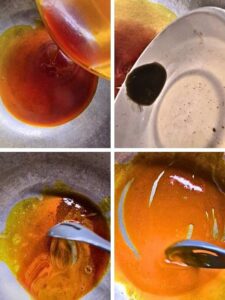
- Step 2: Prepare the Palm Oil Sauce: Pour the palm oil into a clean dry pot. Gradually add the filtered akanwu (potash water filtered with sieve. Discard the bottom path for it will be sandy) while stirring continuously. The oil will change from red to a thicker, yellowish paste. This is the base for your Nkwobi sauce.
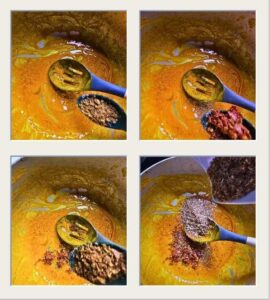
- Step 3: Season the Sauce: Add ground crayfish, ground ehuru, blended pepper, sliced onions and a pinch of salt. Mix well until the sauce is smooth.

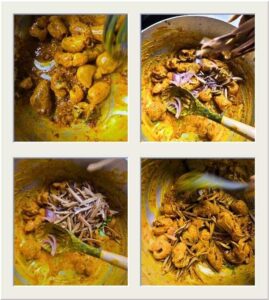
- Step 4: Add Ukpaka (Oil Bean): Mix in the sliced ukpaka for that authentic Igbo taste. Combine with Cow Skin; Add the cooked kpomo chunks into the sauce. Stir thoroughly until each piece is well coated with the rich palm oil mixture.

- Step 5: Transfer the Nkwobi into a traditional wooden bowl (or any bowl of choice) and serve with finely chopped onions and utazi leaves.

Notes
Clean and scrub your cow skin thoroughly before cooking. Boil until tender before adding to your nkwobi sauce for the best texture and flavor absorption.
Palm oil tip:
Use fresh quality palm oil for the richest color and most authentic nkwobi flavor. Do not overheat the palm oil — gently warm it to preserve its natural flavor.
Utazi leaf tip:
Utazi leaves add a distinctive bitter flavor that balances the richness of the palm oil sauce. Use sparingly — too much bitterness can overpower the dish. Available at African grocery stores.
Spice tip:
Adjust ehuru and ogaranya spice quantities to your taste preference. These traditional Igbo spices are essential for authentic nkwobi flavor and cannot be substituted.
Serving suggestion:
Best served hot as a party appetizer or side dish alongside palm wine, cold zobo drink or Nigerian beer for a complete traditional Igbo experience.
Storage:
Store leftover nkwobi in an airtight container in the refrigerator for up to 2 days. Reheat gently in a pot over low heat — avoid microwaving as it affects the sauce texture.
Ingredients for Nigerian Nkwobi Explained (Local & English Names)
For foreigners who may not be familiar with Nigerian ingredients, here’s a breakdown of the key items used in preparing Nkwobi:
- Pomo (Cow Skin) – This is the edible skin of the cow, thoroughly cleaned and boiled until tender. It is chewy, slightly meaty, and holds flavor very well.
- Palm Oil – A rich red oil extracted from palm fruits. It gives Nkwobi its iconic orange-red color and creamy texture.
- Akanwu (Potash) – A type of edible potassium carbonate that helps thicken the palm oil into a paste-like sauce when mixed.
- Crayfish – Ground dried crayfish adds a unique umami depth and local flavor to the sauce.
- Onions – Adds aroma and sweetness to balance the heat of the pepper.
- Ukpaka (Oil Bean) – A fermented seed that gives a nutty, slightly tangy flavor. It is often used in traditional southeastern Nigerian dishes.
- Ehuru (Calabash Nutmeg) – A local spice with a sweet, nutty aroma, similar to regular nutmeg but with a distinct African flavor.
- Pepper – Usually scotch bonnet or chili, providing the signature hotness Nigerians love.
- Maggi (Seasoning Cubes) – A common seasoning cube used in many Nigerian dishes for extra taste.
- Salt – For taste balance.
- Utazi Leaves – A slightly bitter leafy herb used as garnish. It balances the richness of palm oil and adds authenticity to the dish.
Quantity of Ingredients (Serves 4–5 person)
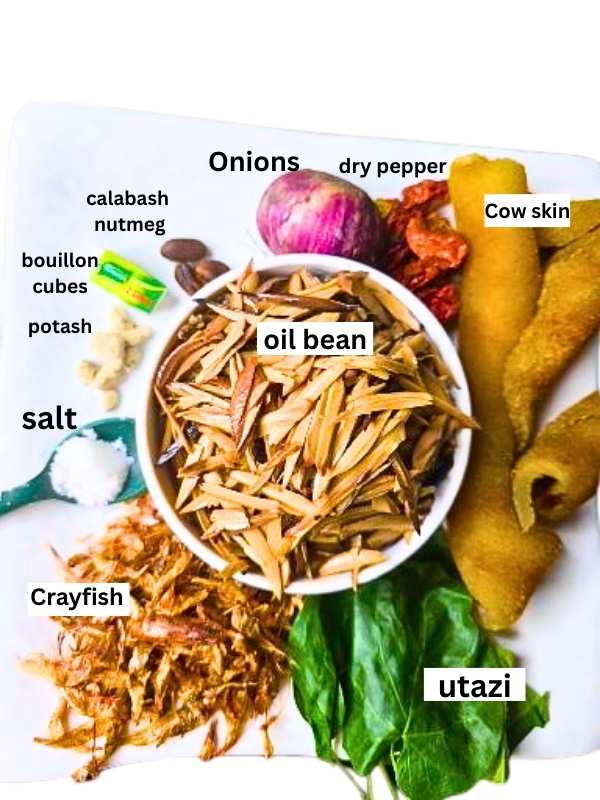
- 1kg Pomo (cow skin)
- 1 cup palm oil
- 2 tablespoons akanwu (potash, dissolved in water and filtered)
- 2 tablespoons ground crayfish
- 2 small onions (1 chopped, 1 for garnish)
- 2 tablespoons sliced ukpaka (oil bean)
- 1 tablespoon ground ehuru (calabash nutmeg)
- 2–3 scotch bonnet or local peppers (blended or ground)
- 2 seasoning cubes (Maggi or any brand)
- Salt (to taste)
- A handful of utazi leaves (washed and shredded)
Step-by-step procedure.
Step 1: Prepare the Cow Skin (Pomo): Wash the cow skin thoroughly and cut it into bite-sized chunks. Boil with seasoning cubes, and salt until very soft. This may take about 1–2 hours depending on the thickness of the cow skin.
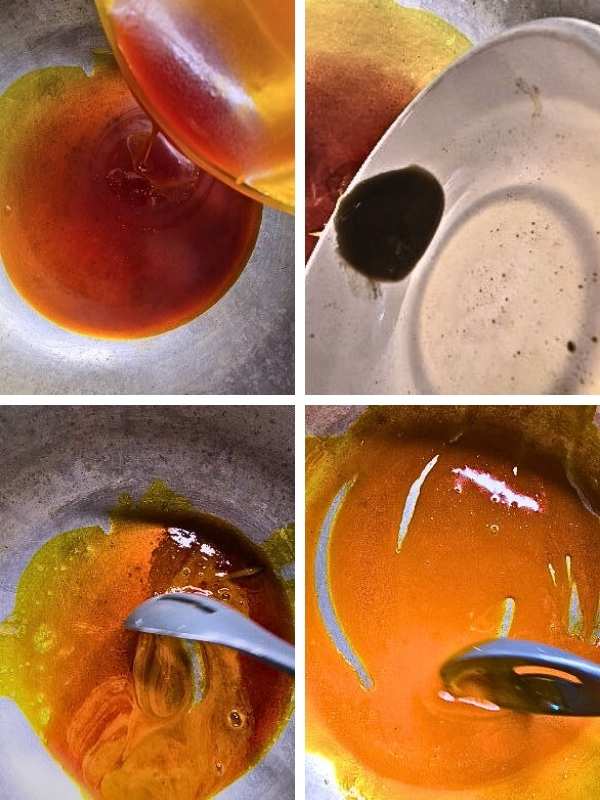
Step 2: Prepare the Palm Oil Sauce: Pour the palm oil into a clean dry pot. Gradually add the filtered akanwu (potash water filtered with sieve. Discard the bottom path for it will be sandy) while stirring continuously.
The oil will change from red to a thicker, yellowish paste. This is the base for your Nkwobi sauce.
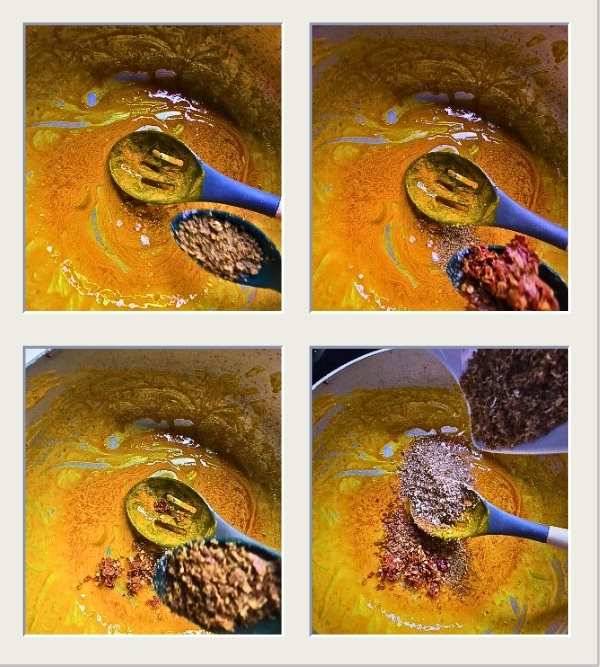
Step 3: Season the Sauce: Add ground crayfish, ground ehuru, blended pepper, sliced onions and a pinch of salt. Mix well until the sauce is smooth.
Step 4: Add Ukpaka (Oil Bean): Mix in the sliced ukpaka for that authentic Igbo taste.
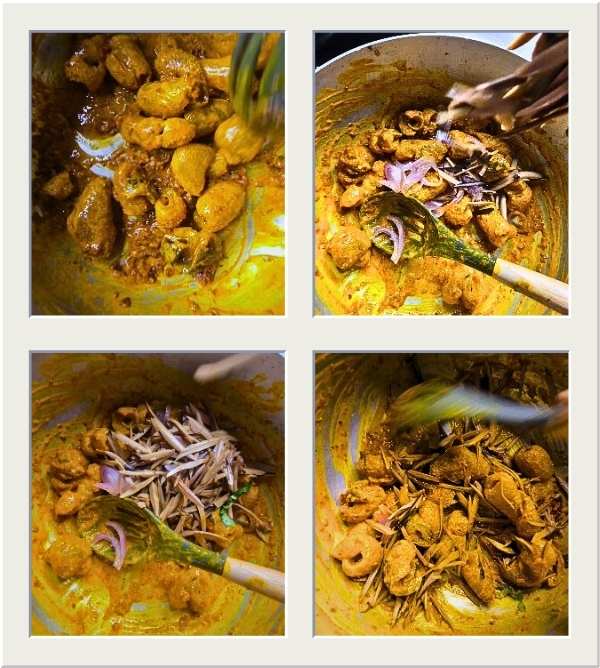
Step 5: Combine with Cow Skin: Add the cooked kpomo chunks into the sauce. Stir thoroughly until each piece is well coated with the rich palm oil mixture.
Step 6: Transfer the Nkwobi into a traditional wooden bowl (or any bowl of choice).
Step 7: serve with finely chopped onions and utazi leaves.
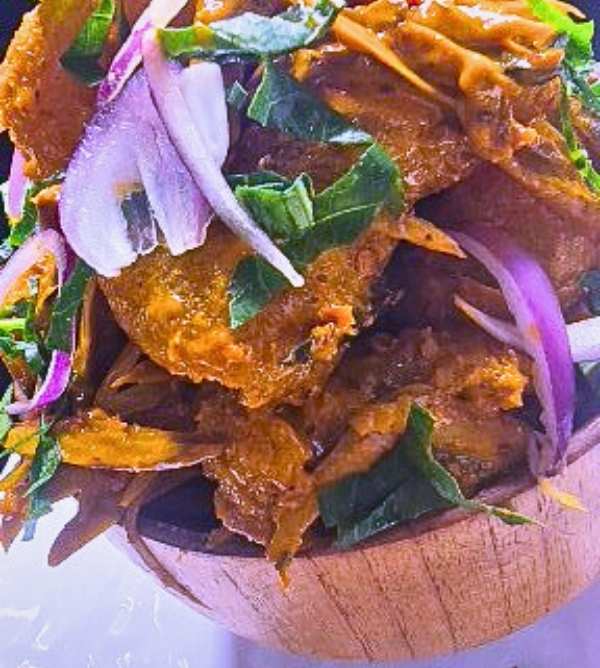
Best enjoyed with a chilled drink or as a standalone evening delight.
Why you should try out this Quick Nkwobi recipe
Authenticity: A true taste of Nigeria, especially the Igbo culture.
Rich Flavor: A perfect balance of spicy, nutty, and slightly bitter flavors.
Social Food: Often enjoyed in groups, making it perfect for bonding.
Exotic Experience: For foreigners, it’s a chance to taste something unique, beyond regular stews or grilled meats.
Frequently Asked Questions On How to Make Nkwobi
1. What’s the difference between Isi Ewu and Nkwobi?
First, the main difference comes from the type of meat used. Isi Ewu uses goat head, including the cheeks, brain, and other parts of the head. In contrast, the other dish uses cow foot, which cooks until it becomes soft and gelatinous.
Furthermore, cooks prepare both meals with a spicy palm-oil sauce and traditional spices. However, the texture and flavor still differ. Goat head delivers a richer taste, while cow foot gives the dish a chewy and slightly sticky texture.
2. What is the English name for Nkwobi?
There is no direct English translation. However, many people describe it as spicy cow foot in palm-oil sauce. In simple terms, the dish features soft cow foot mixed with a thick palm-oil sauce, local spices, and herbs.
Even so, most Nigerians still use the original name because it better reflects the cultural identity of the meal.
3. Is Isi Ewu the same as Nkwobi?
No, the two dishes are not the same. First, Isi Ewu uses goat head, while the other dish uses cow foot. In addition, cooks often prepare the goat head separately before mixing it with the sauce.
Nevertheless, both dishes share a similar spicy palm-oil base and traditional seasonings. Because of this similarity, many people often confuse them.
4. What does Nkwobi mean in Nigerian slang?
In Nigerian slang, the word can sometimes suggest enjoyment, relaxation, or luxury eating. For example, when someone talks about going out to enjoy the dish, they often mean taking time to relax, eat well, and have fun.
Therefore, the slang reflects the meal’s reputation as a special delicacy people enjoy during outings or celebrations.
5. What is the sauce made of?
The sauce combines palm oil, potash (akanwu), pepper, crayfish, seasoning cubes, and onions. First, cooks mix palm oil and potash to create a thick yellow base. Next, they add the spices and seasonings to build flavor.
Finally, many cooks add utazi leaves to balance the richness with a slightly bitter taste.
6. How are Nkwobi and Isi Ewu similar?
First, both dishes use a spicy palm-oil sauce mixed with traditional Nigerian spices. In addition, cooks usually serve them hot in wooden bowls and garnish them with sliced onions and utazi leaves.
Most importantly, people enjoy both meals in bars, restaurants, and social gatherings across Nigeria.
7. What does “Chop your Nkwobi” mean in English?
“Chop your Nkwobi” simply means “eat your food” or “enjoy your meal.” In Nigerian Pidgin, the word “chop” means to eat.
However, the phrase can also encourage someone to relax and enjoy good food without stress.
Conclusion on How to Make Nkwobi
Now you know exactly how to make authentic Nigerian nkwobi right at home. With tender cow foot, rich palm oil sauce, and the perfect blend of traditional spices, you can recreate this bold and flavorful delicacy anytime.
As you follow each step, focus on getting the texture right and balancing the spices for that true local taste. Once you master the sauce and seasoning, your nkwobi will taste just like the one served at your favorite spot.
Whether you prepare it for a weekend treat, family gathering, or special occasion, this spicy Igbo delicacy always stands out. So gather your ingredients, follow the steps, and enjoy every delicious bite of your homemade nkwobi.
You May Also Like:
Cocoyam with Traditional Sauce
About The Author

Rich, Spicy, and Satisfying
I gave it a try and it was good,