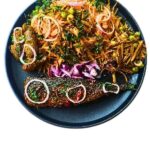
African Salad Recipe: How to Make Nigerian Cassava Salad.
African Salad, also known as Abacha, is a beloved Nigerian street food and festive delicacy native to the Igbo people of Southeast Nigeria. Made from dried cassava flakes soaked and tossed in a rich, flavourful palm oil base with crayfish, ukpaka, utazi leaves, and the warm aroma of ehuru and ogiri, this dish is bold, satisfying, and deeply rooted in Nigerian food culture. Whether you are serving it at a celebration, enjoying it as a light meal, or introducing Nigerian cuisine to someone new, Abacha is always a crowd pleaser that never disappoints.
Servings 5 people
Calories 400kcal
Cost $6
Equipment
- 1 Pot or Pan. for the fish and abacha
Ingredients
- 4 cups of Abacha Always soak in cold or lukewarm water; never hot water. Hot water makes the flakes too soft and mushy. Soak for exactly 10 minutes, then drain thoroughly before mixing into the palm oil base.
- 1 handful A handful of Utazi leaves Slice very thinly into tiny strips for best results. Utazi is naturally bitter, so use just enough to balance the richness of the palm oil without overpowering the dish. Add at the very end to keep it fresh and vibrant.
- 1 tablespoon of ahara seeds 1 tablespoon (Garden Egg Seeds)These add a subtle nutty undertone that deepens the overall flavor of the abacha. Toast lightly before grinding for a more pronounced aroma. Do not skip this ingredient; it is one of the small details that makes authentic Abacha stand out.
- 1/2 tablespoon of dry pepper Start with ½ tablespoon and adjust to your spice level. It is always easier to add more heat than to fix an overly spicy dish. Mix it thoroughly into the palm oil base for even heat distribution throughout.
- 1 bulb onion 1 medium bulb (sliced)Slice thinly and evenly so the onion blends seamlessly into the dish. Fresh, crisp onion adds a sharp contrast to the richness of the palm oil base and balances the overall flavour beautifully.
- 1 whole frozen fish 1 whole (Mackerel, Titus, or Stockfish)Wash thoroughly before seasoning and cooking. Debone carefully after cooking to avoid bones in the final dish. Grilling or frying the fish after boiling adds an extra layer of flavour and texture that makes the abacha even more satisfying.
- ½ cup of ukpaka Rinse lightly before adding if you prefer a milder fermented flavor. Ukpaka adds a bold, tangy richness that is central to authentic Abacha. Do not substitute it; there is simply nothing else that replicates its unique taste.
- 1 teaspoon Salt Add salt gradually and always taste before adding more. Remember that your stock cubes, crayfish, and fish already carry their own saltiness, so season carefully to avoid an overly salty dish.
- 2 cube seasoning Crush and dissolve the stock cubes directly into the palm oil base for even flavor distribution. Use one first, taste, and add the second only if needed. Every brand has a different salt level so always adjust accordingly.
- ½ cup of palm oil Use deep red, unbleached palm oil for the most authentic color and flavour. Do not heat it — this recipe uses raw palm oil mixed directly with the ingredients. The palm oil base is ready when it turns from deep red to a bright orange colour.
- 1/2 kilo kpomo Clean and wash thoroughly before boiling. Boil until completely soft, then dice into bite sized pieces. Kpomo absorbs all the flavors from the palm oil base beautifully and adds a satisfying chewy texture to every bite.
- 1 teaspoon ogiri Ogiri has a very strong fermented aroma a little truly goes a long way. Mix it thoroughly into the palm oil until it fully dissolves before adding anything else. It is the secret ingredient that gives authentic Abacha its deep, unmistakable traditional flavour.
- 4 whole nuts of ehuru Always roast and grind the ehuru fresh just before use for the strongest, most aromatic flavour. This is the ingredient that gives Abacha its distinctive traditional aroma and sets it apart from every other Nigerian dish. Do not substitute with regular nutmeg; the flavor is completely different.
- 1/2 cup crayfishfish (ground)Freshly ground crayfish gives the best and most intense flavor. Mix it thoroughly into the palm oil base early so it infuses deeply into every strand of abacha rather than sitting on top. Good quality crayfish is non negotiable for authentic tasting Abacha.
Instructions
- Step 1: Preparing the Abacha (Cassava Flakes): First, put the dried abacha flakes in a bowl. Next, soak in cold or lukewarm water for about 10 minutes until it softens. After that, drain the water and set aside.
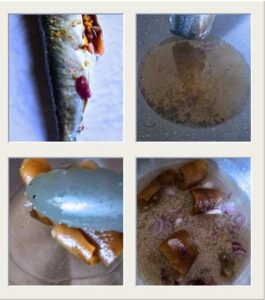
- Step 2: Cooking the Fish and Kpomo: Meanwhile, wash the frozen fish thoroughly and season lightly with salt, onions, and a pinch of pepper. Boil and fry or grill. At the same time, wash and boil the kpomo until soft. Dice into bite-size pieces and keep aside.
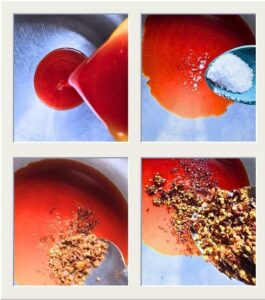
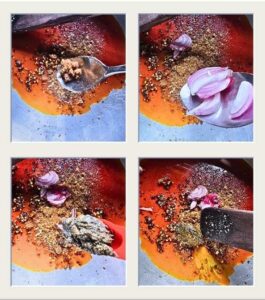
- Step 3: Preparing the Palm Oil Base: To begin, pour in the palm oil into a clean pot or bowl. Next, add the ground ehuru (calabash nutmeg) and stir. Afterwards, mix the ogiri (locust beans paste) and mix until it dissolves into the oil. Finally, add salt, ground dry pepper, ground crayfish and sliced onions. Stir until the oil changes from red to a bright orange color. This palm oil base gives abacha its signature taste and aroma.
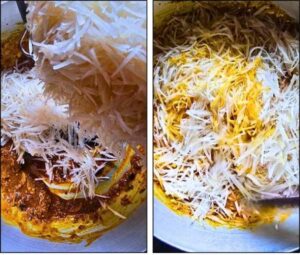
- Step 3: 1st step : Blending the abacha. Gradually add the softened abacha flakes into the palm oil base. Mix thoroughly until every strand of abacha is well coated. 2nd step : Adding the finishing touch on this abacha recipe. Sprinkle in the ground ahara seeds for that nutty undertone. Add fresh utazi leaves (chopped into tiny strips). These provide a slightly bitter taste that balances the richness of palm oil. Taste and adjust with salt, pepper, or more onions if needed.
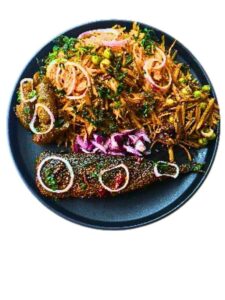
- Step 4: Time to serve: Abacha is best served fresh and slightly warm. It can be enjoyed on its own as a main dish or paired with chilled palm wine, kunu, zobo, or even a cold soft drink.
Notes
Soak the abacha in cold or lukewarm water only; never hot water. Hot water makes the flakes too soft and mushy, which ruins the texture of the final dish.
Do not heat the palm oil. This recipe uses raw palm oil mixed directly with the ingredients. Heating it changes the flavour profile entirely and takes it away from the traditional taste.
The palm oil base is ready when it turns from deep red to a bright orange colour. That colour change tells you everything is properly combined and the abacha is ready to be mixed in.
Ogiri has a very strong fermented aroma; a little goes a long way. Mix it thoroughly into the palm oil until it fully dissolves before adding anything else.
Ehuru (calabash nutmeg) must be roasted and ground fresh for the best aroma. It is the ingredient that gives authentic Abacha its distinctive traditional flavour.
Utazi leaves are naturally bitter; slice them very thinly and use just enough to balance the richness of the palm oil without overpowering the dish.
Abacha is best served fresh and slightly warm. It does not store well for long periods as the texture changes once it sits too long.
Pair with chilled palm wine, zobo, kunu, or a cold soft drink for the full traditional experience.
Abacha is best served fresh and slightly warm. It does not store well for long periods as the texture changes once it sits too long.
Pair with chilled palm wine, zobo, kunu, or a cold soft drink for the full traditional experience.