
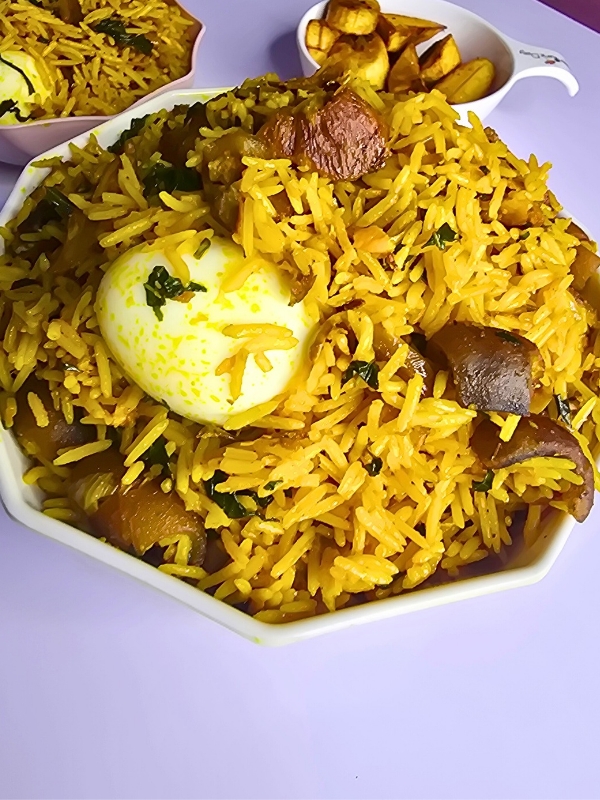
Native Palm Oil Rice ( African Food) the best ever.
There is something unforgettable about the aroma of native palm oil rice gently steaming on the stove. In many homes across Nigeria, especially in Igbo and Niger Delta communities, this dish is more than food; it is identity, heritage, and comfort wrapped into one pot.
Indeed, the rich scent of palm nut extract, crayfish, locust beans, and scent leaf filling the kitchen instantly transports many Nigerians in the US and UK back to childhood kitchens, village compounds, and festive family gatherings.
Moreover, Native Palm Oil Rice, sometimes called village palm nut rice, is a deeply traditional West African rice dish cooked with palm nut extract as the base instead of tomatoes. This Recipe goes so well with our Sweet Plantain Recipe and Oven-Grilled Fish Recipe
Unlike party-style jollof rice, this meal is rustic, earthy, and boldly flavored with indigenous spices like calabash nutmeg (ehuru) and fermented locust beans (iru or ogiri). As a result, it delivers a flavor profile that is layered, aromatic, and unmistakably authentic.
Therefore, if you are searching for an authentic Nigerian palm oil rice recipe, traditional African rice dishes, or how to cook native rice from scratch in the US or UK, this detailed guide walks you through everything; ingredients, timing, and cultural background.
Take a minute to see our authentic Asun Jollof Rice and Smoky Nigerian Party Jollof Rice, recipes you can trust.
What Is Native Palm Oil Rice? Native Palm Oil Rice ( Palm Oil Rice That Tastes Like Home)
To begin with, Native Palm Oil Rice is a one-pot Nigerian rice dish prepared using fresh palm nut extract, palm oil, traditional spices, and proteins such as cow skin (ponmo) and dried fish. In contrast to tomato-based rice dishes, this recipe relies heavily on indigenous ingredients for depth and aroma.
As such, it is known for its:
Deep reddish-golden color
Thick, slightly creamy texture
Earthy, smoky flavor profile
Strong indigenous aroma
In particular, it is popular in southern Nigeria; however, its appeal has spread globally, especially among diaspora communities in London, Manchester, Birmingham, Houston, Atlanta, and Toronto. Consequently, it has become a staple for cultural celebrations abroad.
Food Category of Native Palm Oil Rice ( Palm Oil Rice That Tastes Like Home)
Cuisine: Nigerian / West African
Meal Type: Main Course
Cooking Style: One-pot meal
Cultural Classification: Traditional / Indigenous dish
Diet Profile: High-protein, carbohydrate-based meal
Additionally, because it is a complete meal on its own, it does not necessarily require side dishes. Nevertheless, some people serve it with fried plantain or a simple salad for balance.
Cultural Story Behind Native Palm Oil Rice ( Palm Oil Rice That Tastes Like Home)
Historically, in many villages across southern Nigeria, palm fruits are harvested and processed locally. First, families boil the fruits; next, they pound them; afterward, they extract the thick palm nut juice used for soups and rice dishes. Consequently, the process itself becomes a communal activity.
Before imported spices and processed seasonings became common, local cooks relied heavily on natural flavor enhancers. For instance:
Locust beans provided fermentation and umami depth
Calabash nutmeg (ehuru) delivered smoky fragrance
Crayfish added complexity
Scent leaf introduced freshness
Furthermore, native rice dishes were traditionally cooked outdoors over firewood in large iron pots. During weddings, new yam festivals, burials, and communal celebrations, women gathered around, stirring and tasting as stories were shared.
In this way, cooking became both nourishment and social bonding.
Today, however, for Nigerians living in the UK and US, cooking palm oil rice often serves a different yet equally meaningful purpose. Specifically, it becomes a way of reconnecting with cultural roots.
Even more importantly, it helps second-generation children understand flavors from home.

Native Palm Oil Rice.
Equipment
- 1 Blender for blending the spices.
Ingredients
- 2 cups of rice – Parboiled Parboil partially and wash thoroughly before cooking; partial parboiling reduces excess starch and ensures the grains remain separate and firm when cooked in the rich palm nut extract rather than clumping together into an overly sticky mass.
- ½ cup palm oil Heat gently on medium heat before adding onions and never bleach; unbleached palm oil preserves its natural nutrients, rich color and authentic flavor that forms the deeply satisfying base this entire dish is built on.
- 3 cups Fresh palm nut extract Use freshly extracted palm nut water rather than canned concentrate where possible; fresh palm nut extract delivers a richer thicker more authentic flavor base that canned versions simply cannot replicate in a traditional one pot rice dish like this.
- 1 whole handful fresh pepper Crush or blend before adding for even heat distribution throughout the rice; whole pepper pieces cook unevenly and deliver inconsistent heat in some bites while blended pepper infuses every grain with the same bold spicy warmth.
- 1 whole bulb onion Slice and add during the palm oil frying stage before any other ingredient; onions fried in palm oil until softened release their natural sweetness into the base creating a more aromatic and deeply flavored foundation than raw onions added late can achieve.
- 1 tablespoon fresh locust beans Add during the seasoning stage and allow to steam for 5 minutes before adding palm nut extract; locust beans need heat and time to release their deep fermented umami flavor fully into the base. Use sparingly as too much overpowers every other indigenous seasoning in the dish.
- 1 teaspoon salt Always taste and adjust before adding the rice; once the rice absorbs the cooking liquid adjusting the salt level becomes significantly harder. The dried catfish, crayfish and seasoning cubes already contribute substantial saltiness so season carefully at this stage.
- 2 whole seasoning cubes Crumble before adding for even distribution; add one first and taste before adding the second as every brand carries a different salt level and the dried catfish and crayfish already contribute significant savory depth to the base.
- 3 whole calabash nutmeg Toast and grind fresh just before use for the strongest most aromatic flavor; pre-ground or old calabash nutmeg loses its distinctive warm earthy aroma quickly and delivers a significantly weaker flavor than freshly toasted and ground seeds.
- 1 whole handful fresh scent leaf dd only in the very last 1–2 minutes before turning off the heat; scent leaf loses its distinctive earthy aroma almost immediately when overcooked so adding it too early wastes its most valuable and irreplaceable contribution to the finished dish.
- 1 cup crayfish Use freshly ground crayfish rather than pre-packaged powder where possible; fresh ground crayfish delivers a deeper more authentic seafood flavor and aroma that elevates the entire dish significantly beyond what commercial powder achieves.
- ½ kilogram cow skin Wash thoroughly and add early during the palm oil frying stage; adding ponmo early allows it to absorb the palm oil flavor fully before the other seasonings and palm nut extract go in delivering a more deeply seasoned and satisfying chewy texture in the finished rice.
- 2 pieces dried catfish – Washed thoroughly Wash carefully to remove excess salt and any bones before adding; dried catfish already contributes significant saltiness to the dish so always taste the base before adjusting salt after the catfish goes in.
Instructions
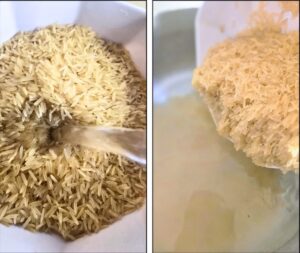
- Step 1: Parboil and Wash the Rice: First, parboil the rice partially to reduce excess starch. Then, wash thoroughly and drain. Afterward, set aside. This step is essential because it ensures the grains remain separate and do not become overly sticky when cooked in palm extract.

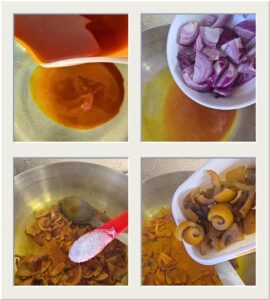
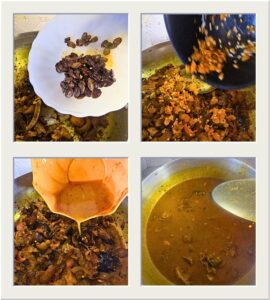
- Step 2: Build the Flavor Base: Next, place a clean pot on medium heat. Add:Half cup palm oil; Allow it to heat gently; however, do not bleach the oil. Then add: Sliced onions, salt, washed and chopped cow skin. Stir continuously and allow the mixture to fry for several minutes. At this stage, the onions soften while the cow skin begins to absorb flavor.

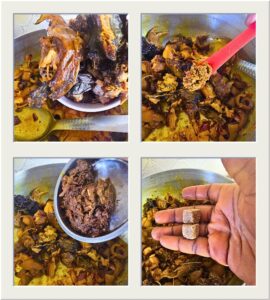
- Step 3: Add Indigenous Seasonings: After that, incorporate the traditional seasonings: Fresh locust beans, Washed dried catfish, Ground calabash nutmeg, Ground crayfish, Crushed fresh pepper, Seasoning cubes. Allow everything to steam for about 5 minutes. As a result, the spices release their oils and blend harmoniously.
- Step 4: Add Palm Nut Extract: Now, pour in the fresh palm nut extract; enough to cook the rice properly. Allow the mixture to boil. Meanwhile, taste and adjust salt if necessary. Importantly, the palm extract forms the signature thick, flavorful base that distinguishes this dish from other Nigerian rice recipes.
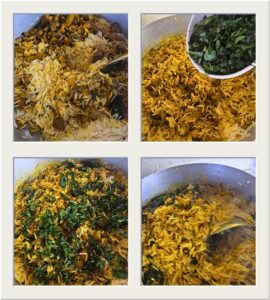
- Step 5: Add Rice and Cook. Once boiling steadily, add the washed parboiled rice. Then stir gently to combine. Cover and cook on medium to low heat until: The rice absorbs the palm extract; The grains become soft; oil begins to slightly rise to the surface. Occasionally, stir to prevent burning. However, avoid excessive stirring, as this may break the grains. Finally, add sliced fresh scent leaf. Cover and steam for 1–2 minutes. Afterward, turn off the heat and let the rice rest for 5 minutes before serving.
Notes
Heat the palm oil gently on medium heat before adding onions and never bleach it; unbleached palm oil preserves its natural nutrients, rich color and authentic flavor that forms the deeply satisfying base this dish is built on. Add the cow skin early during the frying stage so it absorbs the palm oil flavor fully before the other seasonings go in.
Add all indigenous seasonings; locust beans, dried catfish, ground calabash nutmeg, ground crayfish, fresh pepper and seasoning cubes; together and allow them to steam for 5 minutes before adding the palm nut extract. This steaming stage allows every spice to release its natural oils and blend harmoniously into the flavor base rather than sitting separately in the finished rice.
Pour in enough fresh palm nut extract to cook the rice properly and allow it to boil fully before adding the rice; adding rice to liquid that has not yet boiled causes uneven cooking where the bottom grains overcook while the top remains hard. Taste and adjust salt before the rice goes in as adjusting seasoning after is much harder once the rice absorbs the liquid.
Add the parboiled rice and stir gently once to combine then cover and cook on medium to low heat; avoid excessive stirring during cooking as vigorous stirring breaks the rice grains and releases excess starch making the dish heavy and sticky instead of fluffy and well separated.
Add fresh scent leaf only in the very last 1–2 minutes before turning off the heat; scent leaf loses its distinctive earthy aroma almost immediately when overcooked so adding it too early wastes its most valuable contribution to the finished dish.
Allow the rice to rest off the heat for 5 minutes after cooking before serving; this resting time allows the grains to fully absorb any remaining liquid and settle into a perfectly cooked fluffy texture.
Serving suggestion:
Serve hot on its own or alongside fried fish, grilled chicken, Nigerian salad or coleslaw for a complete deeply satisfying traditional Nigerian meal.
Detailed Ingredients List on Quick Nigerian Concoction Rice Recipe
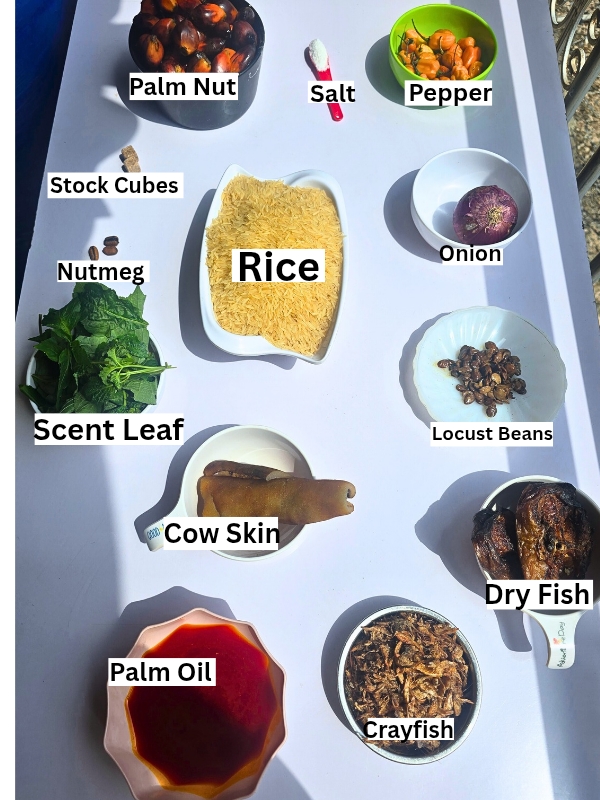
Below is the complete breakdown of ingredients used in this authentic Nigerian palm oil rice recipe:
2 cups of rice – Parboiled, washed, and set aside
½ cup palm oil – Used for frying and flavor base
Fresh palm nut extract (palm nut water) – Used as the cooking liquid
1 handful fresh pepper – Blended or crushed
1 bulb onion – Sliced
1 tablespoon fresh locust beans (iru or ogiri)
1 teaspoon salt
2 seasoning cubes
3 pieces calabash nutmeg (ehuru) – Ground
1 handful fresh scent leaf – Sliced
1 cup crayfish – Ground
½ kilogram cow skin (ponmo) – Washed and cut into small pieces
2 pieces dried catfish – Washed thoroughly
Notably, each ingredient contributes to the overall depth of flavor. While palm oil provides richness, crayfish and dried fish create umami intensity. Meanwhile, ehuru introduces subtle smokiness, and scent leaf brightens the final taste.
Preparation & Cooking Time of African Food.
Preparation Time
Approximately 25–30 minutes
During this stage, you will:
Parboil and wash the rice
Wash and cut cow skin
Grind crayfish and ehuru
Slice onions and scent leaf
Cooking Time
Approximately 45–55 minutes
Total Time
About 1 hour 20 minutes
However, cooking time may vary depending on the tenderness of the cow skin and the heat intensity used.
Step-by-Step Cooking Method of Authentic Native Palm Oil Rice
Step 1: Parboil and Wash the Rice
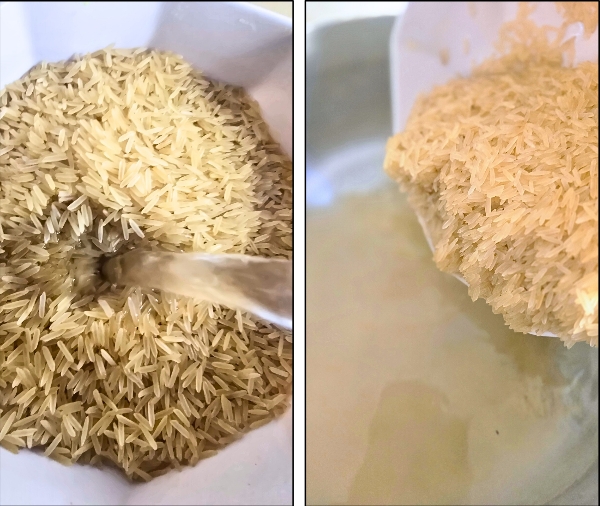
First, parboil the rice partially to reduce excess starch. Then, wash thoroughly and drain. Afterward, set aside.
This step is essential because it ensures the grains remain separate and do not become overly sticky when cooked in palm extract.
Step 2: Build the Flavor Base
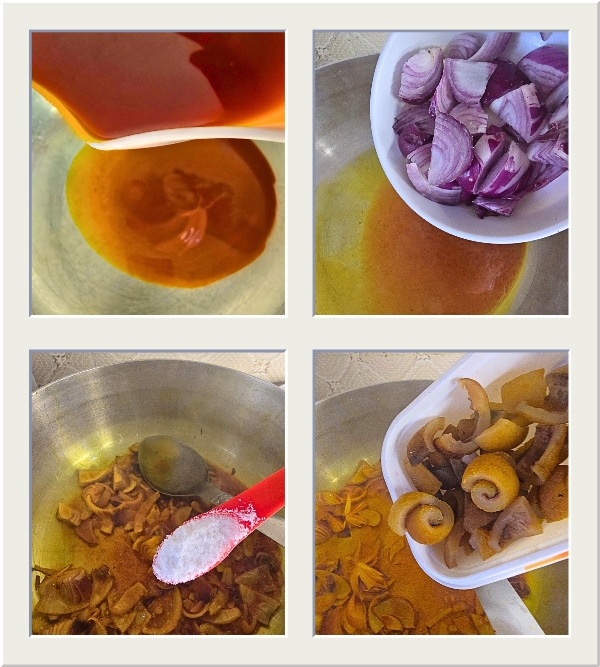
Next, place a clean pot on medium heat.
Add:
Half cup palm oil
Allow it to heat gently; however, do not bleach the oil.
Then add:
Sliced onions
Salt
Washed and chopped cow skin
Stir continuously and allow the mixture to fry for several minutes. At this stage, the onions soften while the cow skin begins to absorb flavor.
Step 3: Add Indigenous Seasonings
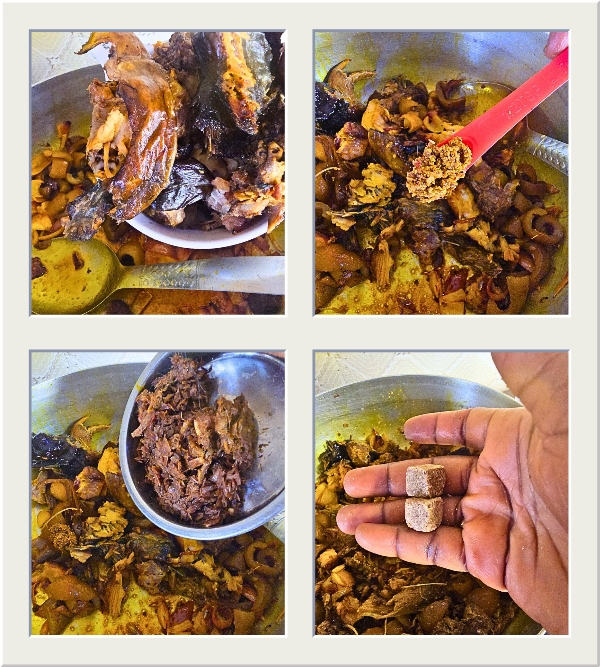
After that, incorporate the traditional seasonings:
Fresh locust beans
Washed dried catfish
Ground calabash nutmeg
Ground crayfish
Crushed fresh pepper
Seasoning cubes
Subsequently, stir thoroughly and cover the pot. Allow everything to steam for about 5 minutes. As a result, the spices release their oils and blend harmoniously.
Step 4: Add Palm Nut Extract
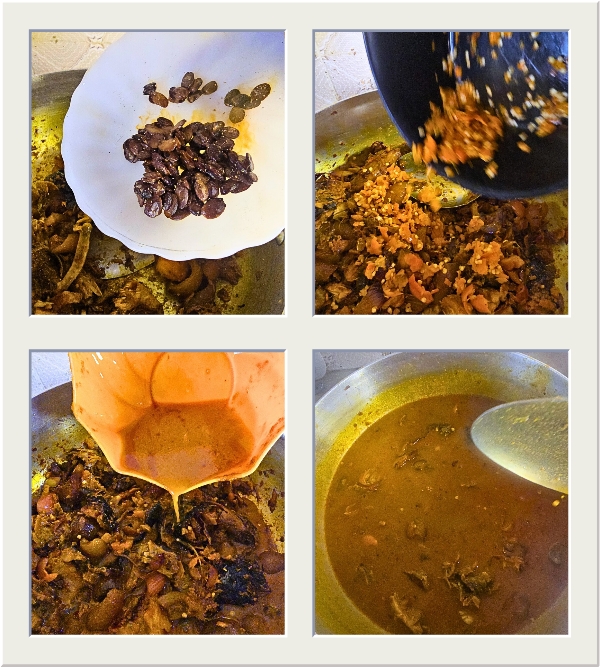
Now, pour in the fresh palm nut extract — enough to cook the rice properly.
Allow the mixture to boil. Meanwhile, taste and adjust salt if necessary.
Importantly, the palm extract forms the signature thick, flavorful base that distinguishes this dish from other Nigerian rice recipes.
Step 5: Add Rice and Cook
Once boiling steadily, add the washed parboiled rice.
Then stir gently to combine.
Cover and cook on medium to low heat until:
The rice absorbs the palm extract
The grains become soft
Oil begins to slightly rise to the surface
Occasionally, stir to prevent burning. However, avoid excessive stirring, as this may break the grains.
Step 6: Final Flavor Finish
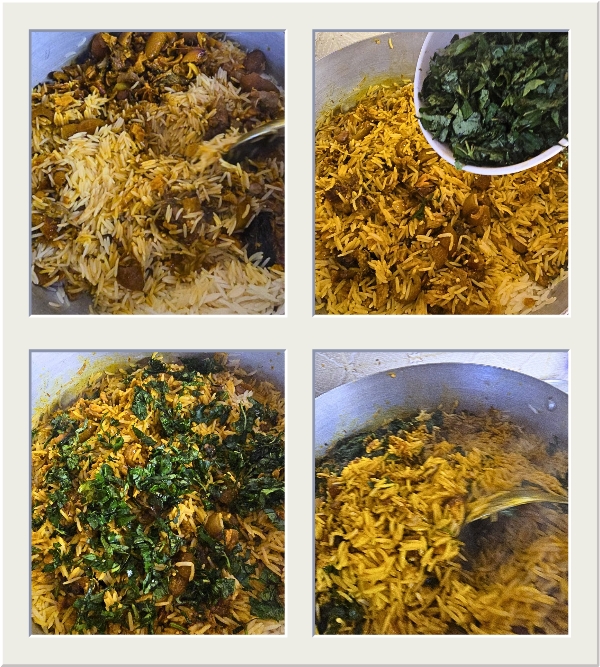
Finally, add sliced fresh scent leaf.
Cover and steam for 1–2 minutes. Afterward, turn off the heat and let the rice rest for 5 minutes before serving.
Consequently, the flavors settle and intensify.
Taste and Texture Profile
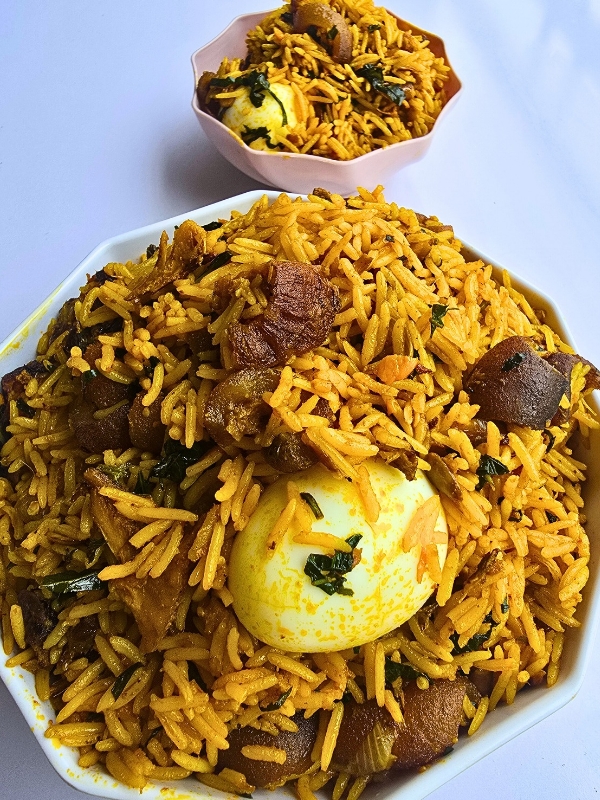
Overall, Native Palm Oil Rice is:
Earthy
Slightly smoky
Rich and aromatic
Moderately spicy
Deeply savory
While the cow skin provides chewiness, the dried catfish contributes bold umami. At the same time, scent leaf offers freshness that balances the richness.
Nutritional Overview of Quick Native Palm Oil Rice
From a nutritional perspective, this dish provides:
Carbohydrates from rice
Protein from cow skin and fish
Healthy fats from palm oil
Antioxidants from palm fruit extract
Essential minerals from crayfish and locust beans
Although palm oil contains beneficial vitamins A and E, moderation is still advisable.
When Is African Native Palm Oil Rice Eaten?
Traditionally, this dish is enjoyed:
During weddings
At festivals
On Sundays
During holidays
For naming ceremonies
In addition, many Nigerians in the UK and US prepare it during colder months because it is hearty and warming.
Frequently Asked Questions on Nigerian Native Palm Oil Rice ( Palm Oil Rice That Tastes Like Home)
1. What Is Palm Oil Rice Called?
Nigerian palm oil rice goes by several names depending on the region and preparation style. Specifically it is most commonly called Native Palm Oil Rice or simply Native Rice across southern Nigeria.
Furthermore it is also known as village palm nut rice in many communities; a name that reflects its deep roots in traditional rural Nigerian cooking.
On Eat with Ifeoma it is called Native Palm Oil Rice; Pwhich captures exactly what this dish delivers; a deeply aromatic, boldly flavored one-pot rice that instantly transports every Nigerian who eats it back to childhood kitchens and festive family gatherings.
Unlike jollof rice which uses a tomato base native palm oil rice uses fresh palm nut extract and indigenous spices like calabash nutmeg, locust beans and scent leaf as its flavor foundation; making it a completely different dish with a completely different soul.
2. How to Make Native Nigerian Rice
Making authentic native Nigerian rice comes down to building a rich indigenous flavor base before the rice ever touches the pot. First heat palm oil gently in a clean pot on medium heat; never bleach it.
Next add sliced onions and cow skin and fry until the onions soften and the cow skin begins to absorb flavor.
Then add all indigenous seasonings together; locust beans, dried catfish, ground calabash nutmeg, ground crayfish, fresh pepper and seasoning cubes; and allow everything to steam for 5 minutes so every spice releases its natural oils into the base.
Afterward pour in enough fresh palm nut extract to cook the rice and allow it to boil fully before adding anything else. Then add your washed parboiled rice, stir gently once and cover on medium to low heat until the rice absorbs the palm extract completely.
Finally add fresh scent leaf in the very last 1–2 minutes, cover and steam briefly then turn off the heat and rest for 5 minutes before serving.
3. Who Is the Owner of Jollof Rice?
On Eat with Ifeoma jollof rice belongs to Ifeoma; and she has two versions that prove it.
First there is the Easy Spicy Nigerian Asun Jollof Rice — a bold Nigerian fusion dish that combines spicy roasted goat meat with classic jollof rice cooked in a rich blended pepper base, etc.; into a deeply smoky, layered and unforgettable one-pot rice meal.
Furthermore there is the Party Jollof Rice made with Nigerian local rice slow cooked in a deeply fried pepper sauce with beef stock, butter and fresh onions for that signature smoky party-style finish that every Nigerian recognizes instantly.
Beyond Eat with Ifeoma historically jollof rice originates from the Wolof people of the Senegambia region of West Africa and has since spread across the entire continent.
4. What Gives Jollof Rice Its Color?
The signature deep red-orange color of Nigerian jollof rice comes from three specific ingredients working together. First fresh tomatoes provide the base red color and natural acidity that starts the color development.
Next tomato paste — specifically the fried tomato paste stage; deepens and intensifies the color significantly as it cooks in hot oil.
Then red bell peppers (tatashe) blended into the pepper mix contribute a rich natural orange-red sweetness that rounds the color beautifully.
Furthermore on Eat with Ifeoma the Asun Jollof Rice uses a combination of fresh tomatoes, tomato paste and a mix of red yellow and green bell peppers blended and cooked down until concentrated; this triple layer approach produces that deeply vibrant party jollof color that is immediately recognizable to every Nigerian.
The key rule is always fry the tomato paste thoroughly before adding the blended pepper mix; under-fried tomato paste produces a dull pale color while properly fried paste creates that bold rich red that makes Nigerian jollof rice instantly iconic.
5. How to Cook Palm Oil Rice Without Tomatoes
Nigerian native palm oil rice is one of the few traditional Nigerian rice dishes that uses absolutely no tomatoes; and that is precisely what makes it so unique.
First build your flavor base by heating palm oil gently in a pot and frying sliced onions and cow skin until softened. Next add all the indigenous seasonings; locust beans, dried catfish, ground calabash nutmeg, ground crayfish, fresh pepper and seasoning cubes; and steam for 5 minutes.
Then pour in fresh palm nut extract as the cooking liquid; this is the signature ingredient that replaces tomatoes entirely and gives native palm oil rice its thick richly flavored and deeply aromatic base.
Afterward allow the palm nut extract to boil fully then add your washed parboiled rice and cook on medium to low heat until the rice absorbs the liquid completely.
Finally finish with fresh scent leaf steamed in for 1–2 minutes before serving. The result is a deeply earthy, boldly flavored one-pot rice that delivers a completely different but equally satisfying experience to tomato-based jollof rice.
6. Native Palm Oil Rice Ingredients
Nigerian native palm oil rice uses a specific set of bold indigenous ingredients that give it its signature earthy aromatic flavor.
Specifically you need 2 cups of parboiled rice, ½ cup palm oil, fresh palm nut extract as the cooking liquid, 1 handful fresh pepper, 1 bulb onion, 1 tablespoon fresh locust beans (iru or ogiri),
1 teaspoon salt, 2 seasoning cubes, 3 pieces calabash nutmeg (ehuru), 1 handful fresh scent leaf, 1 cup crayfish, ½ kilogram cow skin (ponmo) and 2 pieces dried catfish.
Furthermore each ingredient plays a specific role; the palm oil and palm nut extract form the rich base, the calabash nutmeg and locust beans deliver the distinctive indigenous aroma,
the crayfish and dried catfish build deep umami depth and the scent leaf finishes the dish with a beautiful earthy freshness.
This entire recipe serves 5 people at 660 calories per serving and costs approximately $4 to prepare making it one of the most affordable and deeply satisfying traditional Nigerian rice dishes available.
7. Native Palm Oil Rice Recipe
This authentic Nigerian native palm oil rice recipe serves 5 people and costs just $4 to make from start to finish. First parboil and wash 2 cups of rice and set aside.
Next heat ½ cup palm oil gently in a pot, add sliced onions and cow skin and fry until softened. Then add locust beans, dried catfish, ground calabash nutmeg, ground crayfish, fresh pepper and seasoning cubes and steam for 5 minutes.
Afterward pour in enough fresh palm nut extract to cook the rice and allow it to boil fully. Then add the parboiled rice, stir gently once and cover on medium to low heat until the rice absorbs the palm extract completely and the oil begins to rise to the surface.
Finally add fresh scent leaf in the very last 1–2 minutes, cover and steam briefly then turn off the heat and rest for 5 minutes before serving. Serve hot alongside oven grilled fish or fried plantain for a complete deeply satisfying traditional Nigerian meal.
8. Native Palm Oil Rice in Nigeria
Native palm oil rice is one of the most deeply rooted traditional rice dishes in southern Nigerian cuisine.
Specifically it is particularly popular across Igbo, Ijaw, Efik and Ibibio communities in southeastern and south-south Nigeria where palm fruits are harvested and processed locally into fresh palm nut extract; the signature cooking liquid that gives this dish its completely unique flavor identity.
Furthermore it is a staple at traditional ceremonies, cultural celebrations, village gatherings and festive family occasions across southern Nigeria where its rich earthy aroma signals abundance, tradition and home.
Additionally many Nigerians in the US, UK and Canada actively prepare native palm oil rice during colder months because it is hearty, warming and deeply comforting in a way that no other Nigerian rice dish can replicate.
As Eat with Ifeoma describes it; it is palm oil rice that tastes like home; and that description captures everything this dish means to every Nigerian who has ever eaten it.
9. How to Cook Palm Oil Rice Without Frying
Cooking native palm oil rice without the frying stage is possible and produces a lighter cleaner version of the dish. First parboil and wash your rice and set aside.
Next place a clean pot on medium heat and add your palm oil; instead of frying onions and cow skin separately simply add them directly into the warm palm oil along with all the indigenous seasonings; locust beans, dried catfish, ground calabash nutmeg, ground crayfish, fresh pepper and seasoning cubes.
Then pour in your fresh palm nut extract immediately without frying and allow everything to come to a boil together; the heat of the boiling palm nut extract will cook the onions and cow skin through without a separate frying stage.
Afterward add your washed parboiled rice, stir gently once and cover on low heat until the rice absorbs the liquid completely. Finally add fresh scent leaf in the last 1–2 minutes and rest for 5 minutes before serving.
Note that skipping the frying stage produces a slightly lighter flavor than the traditional version; the frying stage develops deeper caramelized depth that the no-fry version cannot fully replicate.
Conclusion on Native Palm Oil Rice ( Palm Oil Rice That Tastes Like Home)
Native Palm Oil Rice is not just another Nigerian rice recipe; it is a dish rooted in memory, tradition, and pride. Every ingredient tells a story: fermented locust beans for depth, smoky ehuru for aroma, rich palm extract for body, and fresh scent leaf for brightness.
For Nigerians abroad, especially in the US and UK, this meal represents more than nourishment. Rather, it symbolizes home, heritage, and identity served warm in a bowl.
Try These Amazing Recipes:
About The Author

Your recipe reminds me of home.