
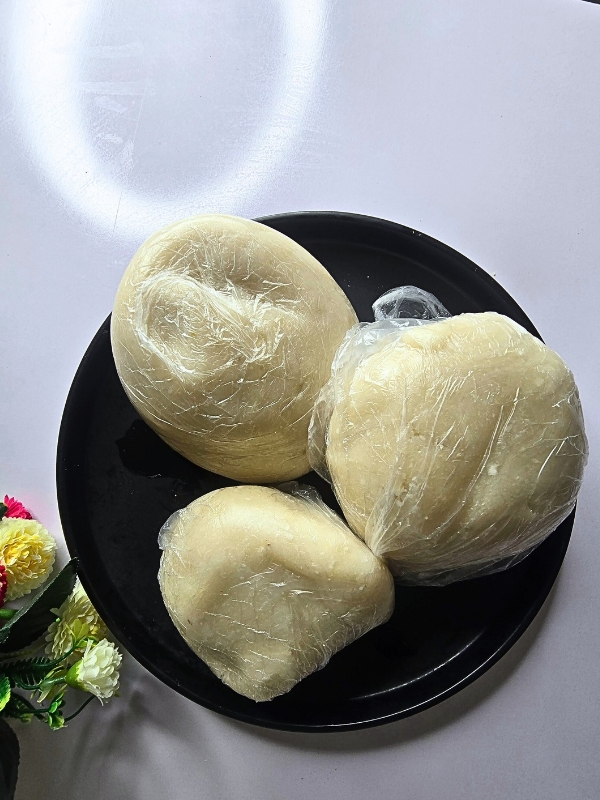
This is Easy Fufu Recipe; the best ever for US, UK and Global Kitchens.
If you’ve been wondering what fufu tastes like, how to make it at home, or why it’s gaining attention in the US and UK; then you’re in the right place.
Recently, I made fufu from scratch in my own kitchen. At first, the process seemed simple. However, as I moved from mixing to boiling and finally pounding, I realized that each step truly mattered. Not only did the texture improve with patience, but the experience also connected me to a rich West African tradition.
So today, I’ll show you exactly how I made it. In addition, I’ll explain what fufu is, what to eat it with, common mistakes to avoid, substitutes for US and UK kitchens, and where to find the ingredients.
What Is Fufu? (Easy Fufu Recipe (Soft, Smooth & Easy Method))
To begin with, fufu is a smooth, stretchy, dough-like staple food eaten across West and Central Africa. Typically, people prepare it from cassava, yam, plantain, or fermented starch which pairs well with many soups like vegetable soup; click to see full recipe on How to cook Vegetable Soup
Unlike rice or bread, however, fufu does not stand alone. Instead, you serve it with rich soups and stews. Then, you pinch off a small portion with your fingers and use it to scoop the soup.
In other words, it functions much like mashed potatoes in the US or dumplings in the UK. While it has a mild taste on its own, it carries and enhances the flavor of the soup.
Fufu is widely eaten in:
Nigeria
Ghana
Ivory Coast
Cameroon
Therefore, beyond being food, it represents culture, family, and shared meals.
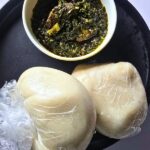
Easy Fufu Recipe (Soft, Smooth & Easy Method).
Equipment
- 1 pestle and mortar for pounding the fufu
Ingredients
- 1 kg of raw fermented Fufu Use good quality raw fermented fufu flour for the most authentic smooth and slightly sour traditional flavor. Available at African grocery stores or online on Amazon. Do not substitute with instant fufu powder; fermented fufu flour produces a significantly superior texture, flavor and stretchiness that instant versions simply cannot replicate.
Instructions
- Step 1: Mix and Loosen the Flour-Easy Fufu Recipe (Soft, Smooth & Easy Method): First, I added a small amount of water to the fufu flour. Then, using my clean, bare hands, I mixed thoroughly. At this stage, I made sure to break apart small lumps, allow the mixture to relax, form a soft, even dough; because of this careful mixing, I avoided hard bits later. In fact, this step sets the foundation for a smooth final texture.

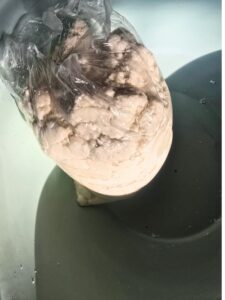
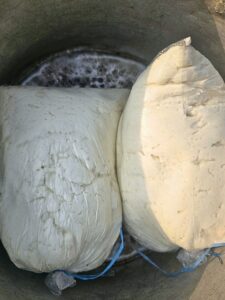
- Step 2: Wrap and First Boil (20 Minutes): Next, I divided the dough into three equal portions. After that, I placed each portion into small white nylon wraps, tied them tightly with thin rope, brought water to a boil and carefully placed the wrapped dough inside. Then, I allowed them to boil for 20 minutes. During this time, the heat cooked the inside evenly. Consequently, the dough firmed up and became ready for pounding.
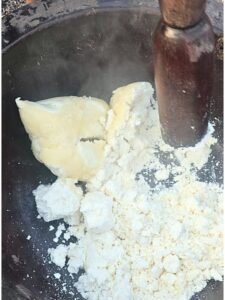
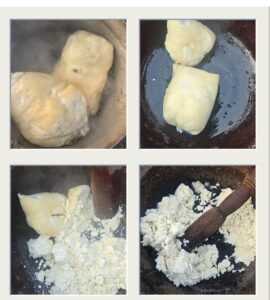
- Step 3: First Pound: Once the boiling finished, I removed the wraps and immediately began pounding. At first, the texture felt slightly firm. However, as I continued, it became smoother and more elastic. Not only did pounding remove hidden lumps, but it also developed that classic stretchy consistency. Without this step, the fufu would not achieve its traditional texture.
- Step 4: Second Wrap and Boil (15 Minutes) After the first pound, I rewrapped the dough in clean nylon. Then, I placed it into fresh boiling water and cooked it for another 15 minutes. Although some people skip this stage, I strongly recommend it. Because of the second boil, the structure improved significantly. As a result, the final texture became softer yet stronger.
- Step 5: Final Pound for a Silky Finish: Finally, I unwrapped the dough and pounded it one last time. At this point, the transformation was clear. The fufu became: Smooth, Silky, Slightly stretchy, Soft but not sticky

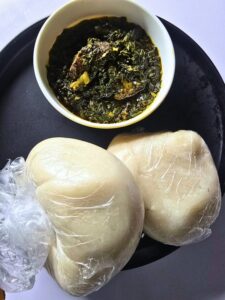
- Most importantly, it no longer gummed up my hands. Afterward, I paired it with vegetable soup and enjoyed every bite.

Notes
Use clean bare hands to mix your fufu flour and water thoroughly; breaking every lump at this stage sets the foundation for a smooth lump-free final texture.
Wrapping tip:
Wrap each portion tightly in nylon and tie securely with rope before boiling; loose wrapping allows water to seep in and ruins the texture completely.
First boil tip:
Boil wrapped fufu for a full 20 minutes without lifting the lid frequently; consistent heat ensures the inside cooks evenly throughout.
Pounding tip:
Pound immediately after removing from boiling water while still hot; pounding cold fufu is significantly harder and produces an uneven texture.
Second boil tip:
Never skip the second boil; this critical step dramatically improves the final structure making your fufu softer yet stronger and more elastic.
Final pound tip:
Your fufu is perfectly done when it no longer sticks to your hands and feels smooth, silky and slightly stretchy; these are the three signs of perfectly made fufu.
Serving suggestion:
Best served hot immediately after pounding alongside egusi soup, ofe akwu, ogbono soup or any rich Nigerian vegetable soup for a complete traditional West African meal.
Storage tip:
Fufu is best eaten fresh and hot. If storing wrap tightly in cling film and refrigerate for up to 2 days. Reheat by steaming for 10 minutes before serving.
Ingredients for Easy Fufu Recipe (Soft, Smooth & Easy Method):
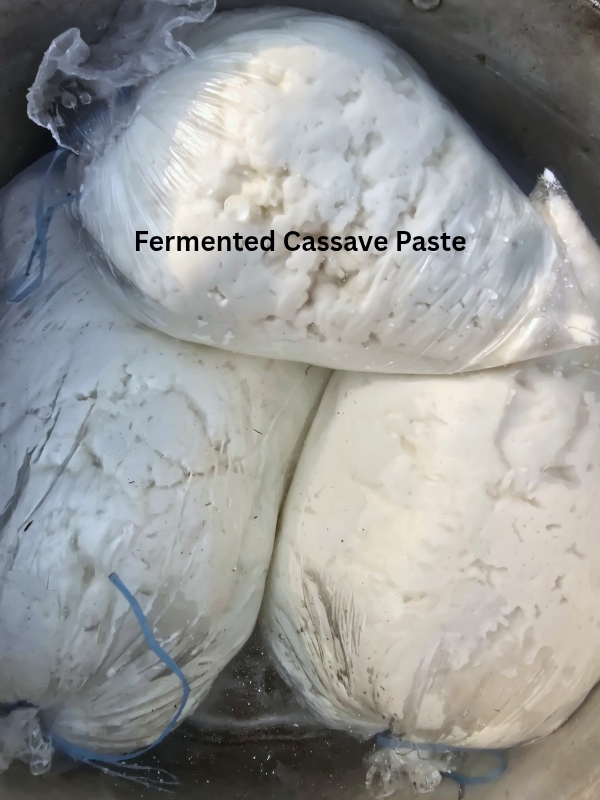
1 kg of raw fermented Fufu
My Step-by-Step on Easy Fufu Recipe (Soft, Smooth & Easy Method)
Although there are modern shortcuts, I followed a more traditional boil-and-pound method. As a result, the final texture turned out silky and smooth.
Step 1: Mix and Loosen the Flour-Easy Fufu Recipe (Soft, Smooth & Easy Method)
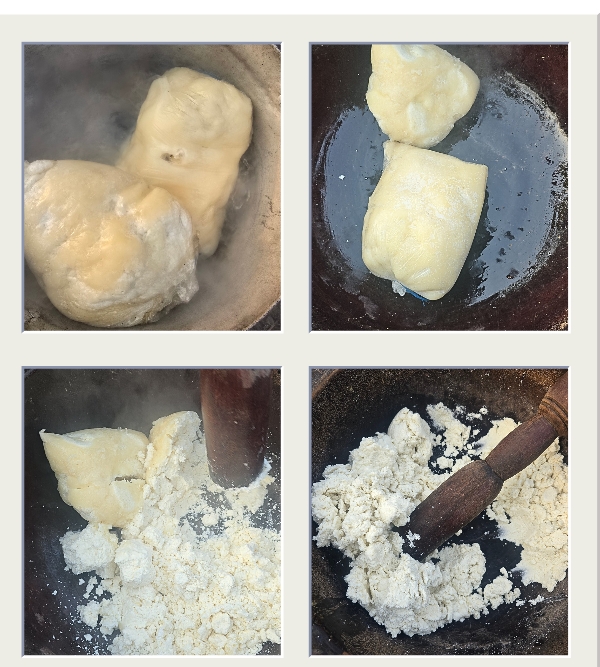
First, I added a small amount of water to the fufu flour. Then, using my clean, bare hands, I mixed thoroughly.
At this stage, I made sure to:
Break apart small lumps
Allow the mixture to relax
Form a soft, even dough
Because of this careful mixing, I avoided hard bits later. In fact, this step sets the foundation for a smooth final texture.
Step 2: Wrap and First Boil (20 Minutes) -Easy Fufu Recipe
Next, I divided the dough into three equal portions.
After that, I:
Placed each portion into small white nylon wraps
Tied them tightly with thin rope
Brought water to a boil
Carefully placed the wrapped dough inside
Then, I allowed them to boil for 20 minutes.
During this time, the heat cooked the inside evenly. Consequently, the dough firmed up and became ready for pounding.
Step 3: First Pound of Easy Fufu Recipe (Soft, Smooth & Easy Method)
Once the boiling finished, I removed the wraps and immediately began pounding.
At first, the texture felt slightly firm. However, as I continued, it became smoother and more elastic. Not only did pounding remove hidden lumps, but it also developed that classic stretchy consistency.
Without this step, the fufu would not achieve its traditional texture.
Step 4: Second Wrap and Boil (15 Minutes)
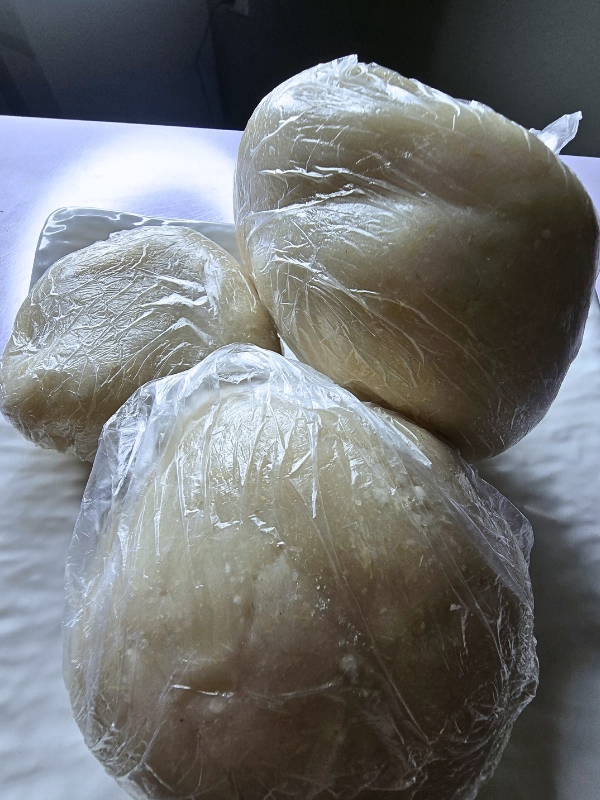
After the first pound, I rewrapped the dough in clean nylon.
Then, I placed it into fresh boiling water and cooked it for another 15 minutes.
Although some people skip this stage, I strongly recommend it. Because of the second boil, the structure improved significantly. As a result, the final texture became softer yet stronger.
Step 5: Final Pound for a Silky Finish of Easy Fufu Recipe
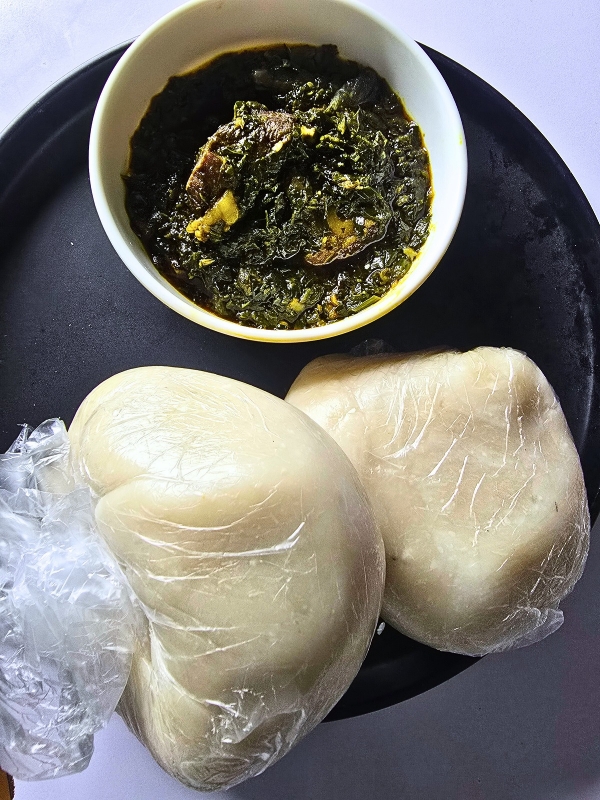
Finally, I unwrapped the dough and pounded it one last time.
At this point, the transformation was clear. The fufu became:
Smooth
Silky
Slightly stretchy
Soft but not sticky
Most importantly, it no longer gummed up my hands.
Afterward, I paired it with vegetable soup and enjoyed every bite.
What Does Fufu Taste Like?
Interestingly, fufu has a very mild flavor. On its own, it tastes neutral. However, once paired with soup, it absorbs rich sauces beautifully.
Because of its smooth and slightly stretchy texture, it feels softer than mashed potatoes yet more elastic than dough.
Therefore, the soup truly defines the experience.
When Do People Eat Fufu?
Generally, people eat fufu for:
Lunch
Dinner
Sunday family meals
Weddings
Cultural celebrations
Although it is rarely served for breakfast, it often anchors important gatherings. In many homes, serving fufu signals comfort and hospitality.
What to Eat with Fufu (Best Pairings)
Since fufu remains neutral, it pairs best with bold, flavorful soups.
For example:
Egusi soup; Recipe on: Melon Soup Recipe (Egusi Soup)
Okra soup; Recipe on: How to Cook Okra Soup
Ogbono soup: Recipe on How to Cook Ogbono Soup (Nigerian Draw Soup)
Groundnut (peanut) soup
Vegetable soup
Above all, the soup should be rich and well-seasoned. Otherwise, the meal may feel bland.
Common Mistakes When Making Fufu-Easy Fufu Recipe (Soft, Smooth & Easy Method)
Even though fufu looks simple, beginners often struggle with texture. Fortunately, you can avoid these mistakes:
1. Adding Too Much Water
If you add too much water, the fufu becomes sticky and weak. Instead, add water gradually.
2. Not Mixing Properly
If you rush the mixing stage, lumps remain later.
3. Skipping the Second Boil
Although optional, the second boil greatly improves elasticity.
4. Not Pounding Long Enough
Without enough pounding, the texture stays rough.
5. Using Unsafe Wrapping
Always use clean, food-safe materials.
Fufu Substitutes (For US & UK Kitchens)-Easy Fufu Recipe (Soft, Smooth & Easy Method)
If traditional fufu flour is unavailable, don’t worry. Instead, try:
Poundo yam flour
Semolina
Cassava flour
Plantain flour
Instant fufu mix
Additionally, you can find these in African grocery stores in cities such as:
London
Birmingham
Houston
New York City
Atlanta
Alternatively, many options are available online via Amazon US and Amazon UK.
Is Fufu Healthy?
Nutritionally, fufu is:
High in carbohydrates
Energy-dense
Naturally gluten-free (when made from cassava or yam)
However, because it is calorie-rich, portion control matters. Therefore, pairing it with vegetable-heavy soups creates better balance.
Frequently Asked Questions on Easy Fufu Recipe
Is fufu popular in the US and UK?
Yes. As global cuisine expands, African staples continue to gain attention, especially in multicultural cities.
2. What is African fufu and how is it made?
African fufu is a soft, stretchy staple food popular across West and Central Africa. People usually make it by boiling and pounding starchy foods such as cassava, yam, or plantain until the mixture becomes smooth and elastic.
Today, many cooks also use fufu flour or powder for faster preparation.
3. What is a simple and quick fufu recipe for beginners?
A brief fufu recipe is very simple:
First, boil water in a pot.
Next, add fufu powder slowly while stirring continuously.
Then keep stirring until the mixture becomes thick and smooth.
Finally, cover and cook for a few minutes before molding it into balls.
As a result, you get soft, lump-free fufu ready to eat with soup.
4. What soups go best with fufu?
Fufu pairs well with many African soups. For example:
Egusi soup
Vegetable soup
Okra soup
Ogbono soup
Light soup
Because fufu has a mild taste, it easily absorbs the rich flavors of these soups.
5. What is fufu and egusi soup?
Fufu and egusi is one of the most popular meals in West Africa. Egusi soup contains ground melon seeds, palm oil, vegetables, and meat or fish. People scoop the soup with small pieces of fufu and swallow it without chewing.
6. Can you eat fufu with vegetable soup?
Yes, many people enjoy fufu with vegetable soup. In fact, vegetable soup made with leafy greens, palm oil, and protein creates a nutritious and flavorful meal when combined with fufu.
7. What is fufu powder and how does it work?
Fufu powder (also called fufu flour) is a processed form of cassava, yam, or plantain. Manufacturers dry and grind the starch into a fine powder. Because of this process, you only need hot water and a few minutes of stirring to prepare fresh fufu.
8. Is fufu popular outside Africa?
Yes, fufu has become increasingly popular worldwide. African restaurants now serve it in many cities across Europe, North America, and Asia. Additionally, international grocery stores sell packaged fufu powder for home cooking.
9. How do you say fufu in Japanese?
In Japanese, people usually write fufu as フフ (fufu) using katakana. However, Japan does not have the same dish, so the word mainly appears when referring to African cuisine.
10. What is the number one most popular food in Japan?
One of the most popular foods in Japan is sushi. This iconic Japanese dish combines vinegared rice with seafood, vegetables, or egg. Restaurants around the world now serve sushi, which shows its global popularity.
11. What is the difference between Nigerian fufu and Japanese mochi?
There are several key differences between Nigerian fufu and mochi.
First, Nigerian fufu comes from cassava, yam, or plantain. In contrast, Japanese mochi uses glutinous rice.
Second, people usually eat fufu with savory soups. However, mochi often appears in sweet desserts or festive dishes.
Finally, fufu has a smooth, stretchy texture meant for swallowing with soup, while mochi is chewy and often eaten in small bites. Mochi plays an important role in Japanese celebrations such as Japanese New Year.
Why Fufu Continues to Gain Attention in the US & UK and Globally-Easy Fufu Recipe
As interest in global food rises, more people explore African cuisine. At the same time, diaspora communities continue sharing traditional dishes online. Consequently, curiosity about fufu keeps growing.
Nevertheless, beyond trends, fufu remains deeply rooted in culture. It symbolizes unity, heritage, and shared experiences.
Conclusion on Easy Fufu Recipe (Soft, Smooth & Easy Method)
Although making fufu requires patience, the result makes every step worthwhile. From mixing to boiling and pounding, each stage builds toward that smooth, silky finish.
More importantly, fufu represents more than a recipe. Instead, it tells a story of tradition, hospitality, and connection.
So if you want to explore authentic West African cuisine from your own US or UK kitchen, this is a perfect place to begin.
You May Also Like:
Cocoyam with Traditional Sauce
About The Author


This design is wicked! Yoou definitely know how to keep
a reader amused. Between your wit and your videos, I
was almoost moved to start my own blog (well, almost…HaHa!) Wonderful job.
I really enjoyed what you haad too say,
and mor than that, how you presented it. Too cool!
Thank you, Boyarka; lol.
I’ve seen many blogs, but yours really stands out for its originality and detail