
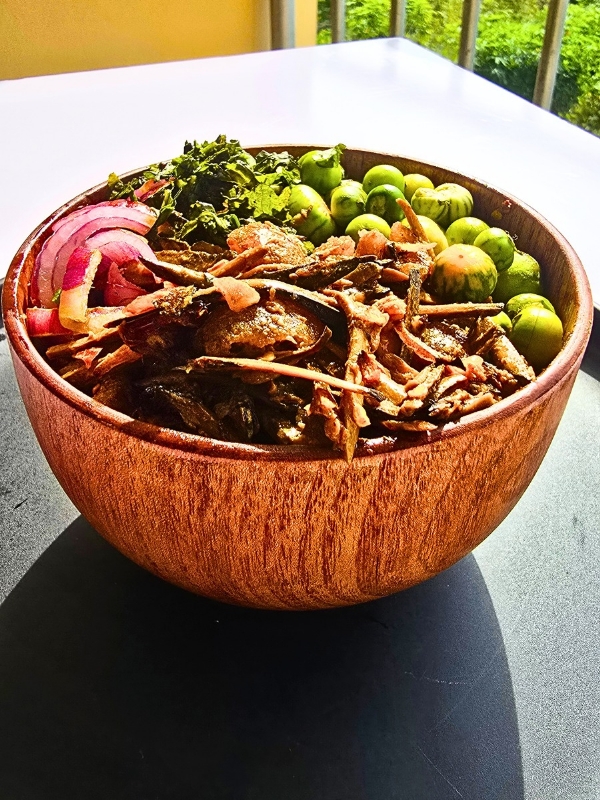
This is Easy Nigerian Salad Recipe (Abacha & Ugba / Ukpaka) the best way ever.
Ugba, also known as African Oil Bean Salad Ukpaka remains one of the most celebrated delicacies in Eastern Nigeria. Because of its rich aroma, deep flavor, and cultural significance, many people search for a clear and reliable recipe that delivers delicious results every time.
Fortunately, this guide walks you through every step and explains how each ingredient enhances the final taste. Moreover, you’ll discover tips, variations, and serving ideas that help you prepare a bowl of ugba that stands out beautifully.
This recipe pairs well with our recipe on Quick Yam Porridge, Cocoyam, and very perfect side dish to Abacha (African Salad) Recipe.
Additionally, you’ll notice that each step flows smoothly, so beginners and experienced cooks can follow along without stress. Therefore, if you want a flavorful, vibrant, and authentic dish, keep reading because this recipe gives you everything you need.
What Makes Easy Nigerian Salad Recipe (Abacha & Ugba / Ukpaka) so Special?
Ugba also known as oil bean in English comes from fermented African oil bean slices. Because the seeds undergo fermentation, they develop a deep, earthy aroma that blends perfectly with spicy seasonings, palm oil, and vegetables.
Furthermore, ugba plays a major role in Igbo culture. It appears during weddings, family gatherings, village celebrations, and traditional feasts. Consequently, the dish carries emotional and cultural value in addition to great taste.
Moreover, ugba is incredibly versatile. You can serve it alone, pair it with abacha, or enjoy it with yam and plantain. Regardless of how you choose to serve it, the flavors always shine through boldly.
Enjoy this recipe with Chilled Zobo Drink
Easy Nigerian Salad Recipe (Abacha & Ugba / Ukpaka).
Equipment
- 1 pot for toasting pepper and calabash nutmeg.
Ingredients
- 2 cups ugbaka Always use fresh ugba with a firm texture and clean fermented smell; old or poorly stored ugba turns overly sour and soft which makes it impossible to achieve the satisfying chewy texture that authentic Nigerian abacha salad is famous for. Mix thoroughly after adding to the seasoning base as ugba absorbs flavor very rapidly and even coating is essential.
- 1 teaspoon dry pepper Always toast in a dry heated pan before blending; toasting intensifies the natural oils and aroma of dry pepper significantly delivering a deeper more complex heat than untoasted pepper can produce. Blend into a fine smooth powder after toasting for even heat distribution through every bite.
- ¼ teaspoon potash Dissolve in a small quantity of water before adding to the palm oil; never add potash directly to the oil undissolved as it clumps and distributes unevenly. Use only the exact measured amount as too much potash makes the oil overly slippery and introduces a harsh unpleasant taste that ruins the entire dish.
- 1 teaspoon seed garden egg Wash thoroughly before using and add only as a fresh garnish just before serving; cooking garden egg seeds in the hot oil base removes their distinctive slightly bitter flavor and crisp texture that beautifully balances the richness of the palm oil and ugba in the finished salad.
- 1 whole handful of garden egg leaves Wash thoroughly and slice finely before using; finely sliced garden egg leaves distribute more evenly as a garnish and deliver a fresher more vibrant presentation. Always add fresh just before serving rather than mixing into the hot base to preserve their color and slight bitterness.
- 1 whole seasoning cube Add while the palm oil is still warm so it dissolves quickly and distributes evenly through the base; a seasoning cube added to cold oil clumps rather than blending smoothly into the flavor base of the salad.
- ¼ kilogram of cowskin Slice into thin even strips before cooking; thin slicing allows the kpomo to cook through in approximately 15 minutes while retaining a satisfying slight chew. Thin strips also absorb the seasoning base more deeply during the mixing stage than thick uneven pieces.
- 2 teaspoons palm oil Warm gently before adding any seasoning and never bleach; unbleached palm oil preserves its natural nutrients, bright color and authentic flavor. Use exactly 2 teaspoons as this recipe uses potash which emulsifies the oil; too much palm oil combined with potash makes the salad overly oily and heavy.
- 4 whole calabash nutmeg Always toast together with the dry pepper before blending; calabash nutmeg is the single most important spice in this dish delivering the signature warm earthy traditional aroma that defines authentic Nigerian abacha salad. Too much turns the flavor bitter so always use exactly 4 seeds as this recipe specifies.
- 1/2 teaspoon salt Add sparingly and always taste before adding; the ugba, seasoning cube and potash together already contribute significant flavor depth to the dish so very little additional salt is usually needed to achieve a perfectly balanced result.
- 1 whole onion Chop finely and add only as a fresh garnish just before serving; fresh onions add a crisp final burst of flavor and visual appeal that cooked onions cannot replicate in a cold served salad like Nigerian abacha.
Instructions
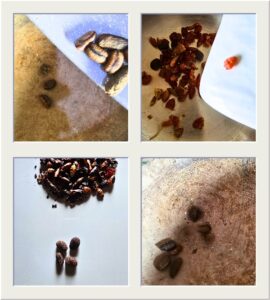
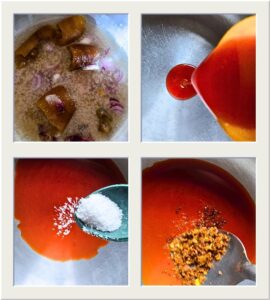
- Step 1: First, I placed the dry pepper and calabash nut seeds in a heated pan. Because toasting intensifies their aroma, this step instantly adds depth to the dish. Moreover, the scent becomes stronger and more appealing as the ingredients warm up. Once they released their natural oils, I removed them from the heat and blended them into a fine powder. This fragrant mixture forms the core of the ugba’s seasoning. Therefore, skipping the toasting step would noticeably reduce the richness of the flavor.

- Step 2: Melt the Potash; Next, I melted the potash in a small quantity of water. Because potash helps palm oil transform into a brighter, smoother consistency, this step prepares the base for the entire dish. Additionally, using a small amount prevents the oil from becoming overly slippery. Slice and Cook the Kpomo. After preparing the potash, I turned my attention to the cowskin. I sliced it into thin strips and cooked it for about 15 minutes. This timing softened the kpomo while keeping it slightly chewy. Furthermore, the thin slicing helped it absorb seasoning more easily later in the cooking process.

- Step 3. Wash and Prepare the Garden Egg Leaves and Seeds: Then, I washed the garden egg leaves thoroughly and sliced them finely. Because these leaves add color and freshness, they brighten the dish visually and taste-wise. Additionally, I washed the small seed garden eggs. Their slightly bitter flavor blends beautifully with palm oil, giving the salad a traditional edge.
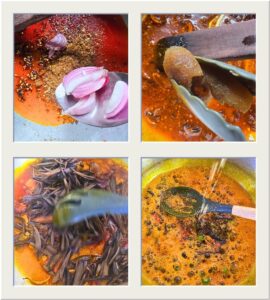
- Step 4. Build the Flavor Base With Palm Oil: Next, I poured the palm oil into a clean pot and allowed it to warm up. As soon as it became slightly lighter, I added the seasoning cube. Because the warm oil dissolves seasoning quickly, the aroma developed immediately. After that, I introduced the blended pepper and calabash nut mixture. I stirred thoroughly until everything combined into a smooth, fragrant paste. Moreover, this base sets the tone for the entire dish, so mixing well ensures consistent flavor.
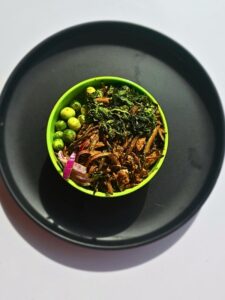
- Step 5: Add the Kpomo and Oil Bean Slices: Once the seasoning base looked perfect, I added the sliced cowskin and the oil bean. Because ugba absorbs flavor rapidly, mixing properly helps the seasoning coat every strand. Additionally, the kpomo added texture, turning the mixture into a satisfying and hearty salad. Garnish and serve with sliced garden egg leaves, garden egg seeds, and a sprinkle of chopped onions. Because the freshness of the vegetables complements the richness of the oil bean, the final presentation looked colorful, vibrant, and extremely appealing.
Notes
Blend into a fine smooth powder after toasting for even distribution through the entire dish.
Melt the potash in a small quantity of water before adding to the palm oil; potash helps transform the palm oil into a brighter smoother emulsified consistency that coats every strand of ugba evenly.
Use only a small measured amount as too much potash makes the oil overly slippery and introduces a harsh unpleasant taste that ruins the entire dish.Slice the kpomo into thin strips before cooking and cook for approximately 15 minutes until softened but still slightly chewy; thin slicing helps the kpomo absorb seasoning more deeply during the mixing stage while maintaining the satisfying chewy texture that makes it such an important part of this salad.Warm the palm oil gently before adding any seasoning; never bleach it as unbleached palm oil preserves its natural nutrients and authentic flavor. Add the seasoning cube while the oil is warm so it dissolves quickly and distributes evenly through the base before the other ingredients go in.Add the ugba immediately after the seasoning base is ready and mix thoroughly; ugba absorbs flavor very rapidly so mixing properly at this stage ensures every strand is evenly coated with the rich toasted pepper and calabash nutmeg seasoning.Always add the garden egg leaves, garden egg seeds and chopped onions as a fresh garnish just before serving rather than mixing them into the hot oil base; keeping them fresh preserves their vibrant color, slight bitterness and crisp texture that beautifully balances the richness of the palm oil and ugba in the finished salad.Serving suggestion:
Serve at room temperature as a snack, appetizer or light meal alongside palm wine, zobo drink or a cold Nigerian drink for a complete authentic Igbo dining experience.
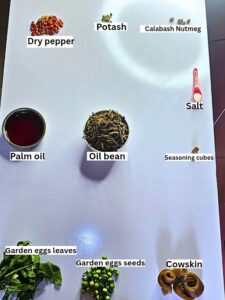
Ingredients You’ll Need on Easy Nigerian Salad Recipe (Abacha & Ugba / Ukpaka)
For this recipe, I used the following ingredients to achieve a balanced, authentic taste:
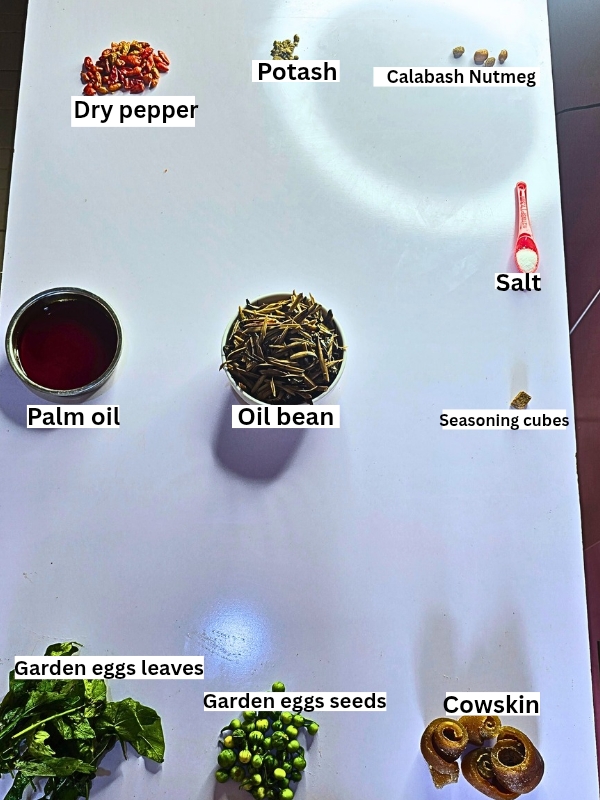
2 cups of ugbaka (oil bean slices)
1 teaspoon of small seed dry pepper
¼ measure of potash
1 tablespoon of small seed garden egg
A handful of garden egg leaves
1 seasoning cube
¼ kilogram of cowskin (kpomo)
2 teaspoons of palm oil
4 calabash nutmeg (ehuru) seeds
1/2 teaspoon of salt
1 medium sized onions for garnish
Because each ingredient contributes a unique flavor, combining them correctly ensures a perfect result. Furthermore, this specific blend creates a satisfying balance of heat, aroma, color, and texture.
Step-by-Step Guide on Easy Nigerian Salad Recipe (Abacha & Ugba / Ukpaka)
Below is the exact method I used. Each step flows naturally into the next, allowing you to cook with confidence. Additionally, I included simple explanations to help you understand why each action matters.
1. Toast and Blend the Dry Pepper and Calabash Nutmeg
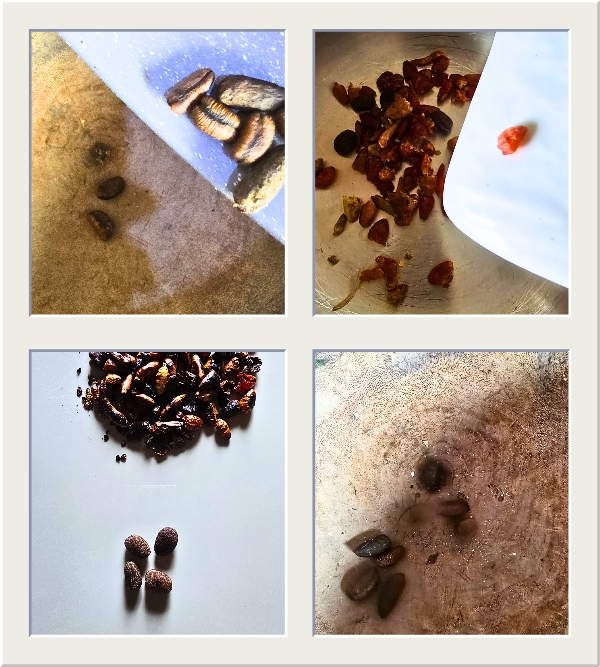
First, I placed the dry pepper and calabash nut seeds in a heated pan. Because toasting intensifies their aroma, this step instantly adds depth to the dish.
Moreover, the scent becomes stronger and more appealing as the ingredients warm up. Once they released their natural oils, I removed them from the heat and blended them into a fine powder.
This fragrant mixture forms the core of the ugba’s seasoning. Therefore, skipping the toasting step would noticeably reduce the richness of the flavor.
2. Melt the Potash
Next, I melted the potash in a small quantity of water. Because potash helps palm oil transform into a brighter, smoother consistency, this step prepares the base for the entire dish. Additionally, using a small amount prevents the oil from becoming overly slippery.
3. Slice and Cook the Kpomo
After preparing the potash, I turned my attention to the cowskin. I sliced it into thin strips and cooked it for about 15 minutes. This timing softened the kpomo while keeping it slightly chewy. Furthermore, the thin slicing helped it absorb seasoning more easily later in the cooking process.
4. Wash and Prepare the Garden Egg Leaves and Seeds
Then, I washed the garden egg leaves thoroughly and sliced them finely. Because these leaves add color and freshness, they brighten the dish visually and taste-wise. Additionally, I washed the small seed garden eggs. Their slightly bitter flavor blends beautifully with palm oil, giving the salad a traditional edge.
5. Build the Flavor Base With Palm Oil
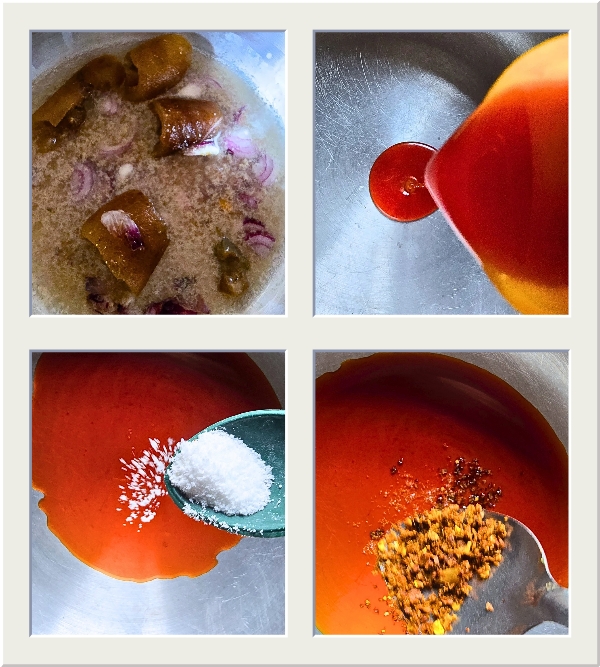
Next, I poured the palm oil into a clean pot and allowed it to warm up. As soon as it became slightly lighter, I added the seasoning cube. Because the warm oil dissolves seasoning quickly, the aroma developed immediately.
After that, I introduced the blended pepper and calabash nut mixture. I stirred thoroughly until everything combined into a smooth, fragrant paste. Moreover, this base sets the tone for the entire dish, so mixing well ensures consistent flavor.
6. Add the Kpomo and Oil Bean Slices to Quick African Recipe
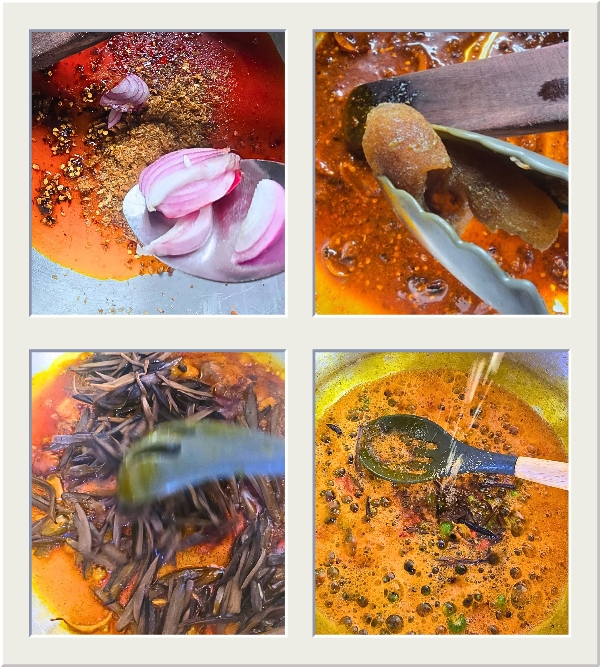
Once the seasoning base looked perfect, I added the sliced cowskin and the oil bean. Because ugba absorbs flavor rapidly, mixing properly helps the seasoning coat every strand. Additionally, the kpomo added texture, turning the mixture into a satisfying and hearty salad.
7. Garnish and Serve the Quick Nigerian Salad Recipe
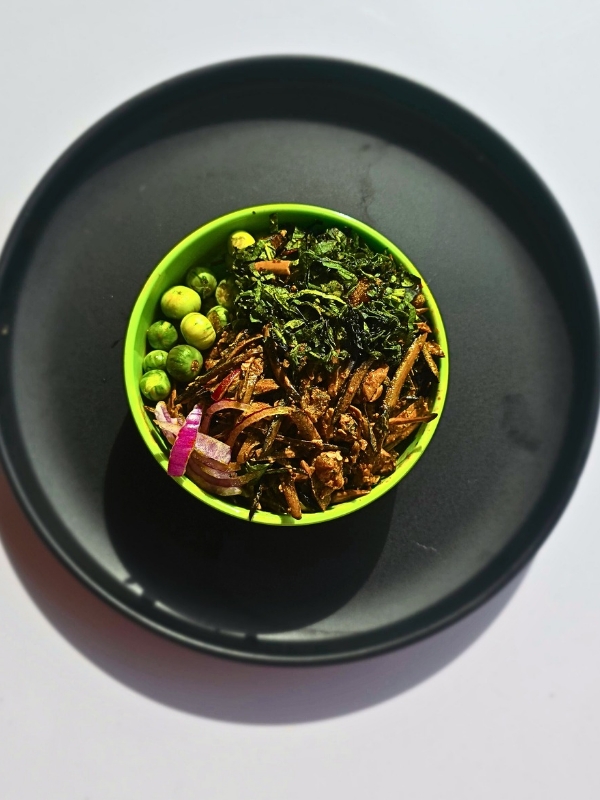
Finally, I dished out the ugba and garnished it with sliced garden egg leaves, garden egg seeds, and a sprinkle of chopped onions. Because the freshness of the vegetables complements the richness of the oil bean, the final presentation looked colorful, vibrant, and extremely appealing.
Why This Easy Nigerian Salad Recipe (Abacha & Ugba / Ukpaka) Works so Well
This recipe stands out for several reasons, and understanding each point helps you recreate the same delicious result consistently.
1. Strong Flavor Foundation
Because you toast the pepper and calabash nut first, the flavors become more pronounced. Furthermore, the aroma improves dramatically, giving the final dish a signature richness.
2. Proper Ingredient Layering
Adding ingredients in stages ensures that every component absorbs flavor correctly. Additionally, it prevents the seasonings from clumping or settling at the bottom of the pot.
3. Excellent Texture Combination
The mixture of crunchy, soft, and chewy components creates an enjoyable eating experience. Moreover, this balance makes the dish satisfying even in small servings.
How to Prepare Easy Nigerian Salad Recipe (Abacha & Ugba / Ukpaka)
If you want to enhance your dish further, consider the tips below:
Use fresh ugba
Fresh, properly fermented oil bean provides the best flavor. Moreover, it blends easily with palm oil and spices.
Consider adding crayfish
Crayfish gives the dish a deeper umami taste. Additionally, it pairs incredibly well with pepper and calabash nutmeg.
Control the potash
A little potash goes a long way. Therefore, always use it sparingly to maintain good taste and texture.
Experiment with protein
Smoked fish, stockfish, or shredded chicken can elevate your salad beautifully. Furthermore, each protein adds its own unique flavor.
Serve while fresh
Because the vegetables stay crisp only for a short time, serving immediately ensures maximum freshness.
What to Serve Ugba-Easy Nigerian Salad Recipe
Ugba pairs easily with many traditional dishes. Here are some excellent serving ideas:
Boiled yam
Roasted plantain (bole)
Abacha (African salad)
Boiled plantains
Cold palm wine or fruit juice
Because ugba has a bold flavor, it complements mild foods perfectly. Moreover, the combination of textures makes these pairings surprisingly satisfying.
Health Benefits of Ugba/Oil Bean-Easy Nigerian Salad Recipe (Abacha & Ugba / Ukpaka)
Beyond its incredible flavor, ugba also offers several nutritional benefits:
It contains healthy fats that support energy.
It offers plant-based protein for muscle repair.
It provides fiber that aids digestion.
It includes natural antioxidants from the spices and vegetables.
Furthermore, when you pair it with fresh vegetables like garden egg leaves, the nutritional value increases even more.
Frequently Asked Questions on Quick Nigerian Salad Recipe
1. How to Prepare Abacha Without Potash
Making abacha without potash is completely possible and many Nigerians prepare it this way regularly. Potash is traditionally used to emulsify the palm oil into a brighter smoother consistency; but you can achieve a similar result without it.
First build your palm oil base by mixing raw unbleached palm oil with freshly roasted ground ehuru, dissolved ogiri, ground crayfish, dry pepper, sliced onions and seasoning cubes.
Stir vigorously and continuously until the oil gradually turns from deep red to bright orange; this color change tells you the base is properly combined even without potash.
Next soak your abacha flakes in cold water for exactly 10 minutes then drain thoroughly. Then gradually fold the softened abacha into the palm oil base mixing until every strand is evenly coated.
Finally add ukpaka, kpomo and fish and garnish with utazi leaves. The result is a bold deeply flavored abacha that is just as satisfying as the potash version.
2. Abacha Recipe
Authentic Nigerian abacha uses dried cassava flakes soaked and tossed in a rich palm oil base with bold traditional condiments. First soak 4 cups of abacha flakes in cold water for 10 minutes then drain thoroughly; never use hot water as it makes the flakes too soft and mushy.
Next build the palm oil base by mixing raw palm oil with freshly roasted ground ehuru, dissolved ogiri, ground crayfish, dry pepper and sliced onions. Stir until the oil turns bright orange.
Then gradually fold in the drained abacha and mix until every strand is evenly coated. Add ukpaka, diced kpomo and cooked fish. Finally garnish with thinly sliced utazi leaves, ground ahara seeds and fresh onions.
Taste and adjust seasoning then serve immediately.
For a simpler variation without cassava flakes check out the ugba and garden egg salad recipe at Eat with Ifeoma which uses oil bean slices, kpomo, toasted calabash nutmeg, garden egg leaves and seeds in a warm palm oil base; equally bold and deeply satisfying.
3. Abacha Food
Abacha is one of the most beloved traditional foods in Nigerian and Igbo culture. Specifically it is a cold salad made from dried cassava flakes soaked in water and tossed in a rich palm oil base seasoned with ehuru, ogiri, crayfish, ukpaka and utazi leaves.
Furthermore abacha is not just street food; it is a cultural symbol actively served at Igbo weddings, naming ceremonies, title taking events and festive celebrations across Southeast Nigeria.
Additionally it is increasingly popular among Nigerian diaspora communities in the US and UK who grew up eating it and now recreate it at home using African grocery store ingredients.
A related version worth knowing is the ugba salad; a simplified abacha variation that uses oil bean slices, kpomo, toasted calabash nutmeg, garden egg leaves and seeds as the main ingredients instead of cassava flakes, delivering a similarly bold and deeply traditional Igbo flavor experience.
4. Simple Abacha Recipe
This simple abacha recipe requires no cooking for the base and is ready in under 20 minutes. First soak 4 cups of abacha flakes in cold water for 10 minutes then drain completely.
Next mix raw palm oil with ground ehuru, ogiri, crayfish, dry pepper, seasoning cubes and sliced onions in a clean bowl; stir until the oil turns bright orange. Then fold in the softened abacha gradually until every strand is coated. Add ukpaka, diced kpomo and cooked fish then garnish with utazi leaves and ahara seeds.
Taste and adjust seasoning then serve immediately.
For an even simpler version without cassava flakes the ugba salad recipe at Eat with Ifeoma uses just oil bean slices, kpomo, toasted calabash nutmeg, palm oil, garden egg leaves and seeds; fewer ingredients, same bold traditional Igbo flavor and ready in under 30 minutes.
5. How to Prepare Abacha With Ugba and Garden Egg
Abacha with ugba and garden egg combines the best elements of two beloved traditional Igbo recipes into one deeply satisfying dish. First soak your abacha flakes in cold water for 10 minutes then drain completely.
Next build your palm oil base by mixing raw palm oil with ground ehuru, dissolved ogiri, ground crayfish, dry pepper and seasoning cubes — stir until bright orange.
Then fold in the softened abacha gradually until every strand is evenly coated. Add the ukpaka oil bean slices and mix thoroughly as ugba absorbs flavor very rapidly; even coating is essential at this stage.
Next add diced kpomo for extra chewy texture. Finally garnish with finely sliced garden egg leaves, garden egg seeds and freshly chopped onions just before serving; adding them fresh preserves their slight bitterness and vibrant color that beautifully balances the richness of the palm oil base.
Serve immediately at room temperature with chilled zobo or palm wine.
6. Ugba — African Salad
Ugba; also called African salad or oil bean salad; is a traditional Igbo delicacy made primarily from fermented oil bean slices tossed in a seasoned palm oil base.
Furthermore ugba is sometimes confused with abacha but the two are distinctly different; abacha refers specifically to dried cassava flakes while ugba refers to the fermented oil bean itself.
However both dishes share many key ingredients including palm oil, ehuru, kpomo, crayfish and traditional Igbo condiments.
Specifically the ugba salad recipe at Eat with Ifeoma uses ugba oil bean slices, cowskin kpomo, toasted dry pepper, toasted calabash nutmeg, etc; all combined into a rich boldly flavored salad that is naturally gluten free, high in plant protein and ready in under 20 minutes.
It is one of the most nutritious and authentically traditional Igbo salads available and pairs beautifully with palm wine, zobo or a cold Nigerian drink.
7. How to Prepare Abacha With Oil
The palm oil base is the single most important element of any abacha recipe and getting it right makes all the difference.
First always use deep red unbleached raw palm oil; never heat it as this recipe uses raw palm oil mixed directly with the ingredients and heating changes the flavor profile entirely.
Next pour the palm oil into a clean bowl or pot and add freshly roasted ground ehuru; stir well. Then add dissolved ogiri and mix until it fully dissolves into the oil.
Afterward add ground crayfish, dry pepper, seasoning cubes and sliced onions and stir vigorously until the oil turns from deep red to a bright orange color.
This color change is your signal that the base is perfectly combined and ready for the abacha. Then gradually fold in the soaked and drained abacha flakes mixing until every strand is evenly coated with the rich orange palm oil base.
Finally add ukpaka, kpomo and fish and garnish with utazi leaves. The quality of your palm oil directly determines the final taste — always choose fresh thick red unbleached palm oil for the most authentic result.
Conclusion on Easy Nigerian Salad Recipe (Abacha & Ugba / Ukpaka)
Ugba remains a beloved traditional dish for good reason. Because it combines rich flavor, cultural significance, and satisfying texture, it continues to shine in homes, ceremonies, and gatherings. Thankfully, preparing it doesn’t require complicated steps. With toasted spices, well-seasoned palm oil, fresh vegetables, and properly sliced kpomo, you can create a plate of ugba that impresses everyone.
If you want an authentic ugba recipe that delivers excellent results, this guide gives you everything you need. Moreover, the flavors come together effortlessly, making each bite enjoyable and memorable. Therefore, the next time you crave something traditional, aromatic, and culturally meaningful, prepare a bowl of ugba using this method. You will absolutely love the outcome!
You May Also Like:
About The Author


Nice