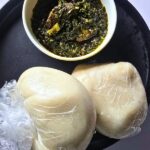
Easy Fufu Recipe (Soft, Smooth & Easy Method).
This easy Nigerian Fufu recipe uses 1kg of raw fermented fufu flour transformed through a careful two-boil and double-pound method into a perfectly smooth, silky and slightly stretchy traditional swallow. This authentic West African staple delivers the classic soft yet firm texture that pairs beautifully with any Nigerian soup.
Servings 10 people
Calories 160kcal
Cost $3
Equipment
- 1 pestle and mortar for pounding the fufu
Ingredients
- 1 kg of raw fermented Fufu Use good quality raw fermented fufu flour for the most authentic smooth and slightly sour traditional flavor. Available at African grocery stores or online on Amazon. Do not substitute with instant fufu powder; fermented fufu flour produces a significantly superior texture, flavor and stretchiness that instant versions simply cannot replicate.
Instructions
- Step 1: Mix and Loosen the Flour-Easy Fufu Recipe (Soft, Smooth & Easy Method): First, I added a small amount of water to the fufu flour. Then, using my clean, bare hands, I mixed thoroughly. At this stage, I made sure to break apart small lumps, allow the mixture to relax, form a soft, even dough; because of this careful mixing, I avoided hard bits later. In fact, this step sets the foundation for a smooth final texture.
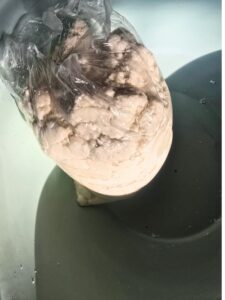
- Step 2: Wrap and First Boil (20 Minutes): Next, I divided the dough into three equal portions. After that, I placed each portion into small white nylon wraps, tied them tightly with thin rope, brought water to a boil and carefully placed the wrapped dough inside. Then, I allowed them to boil for 20 minutes. During this time, the heat cooked the inside evenly. Consequently, the dough firmed up and became ready for pounding.
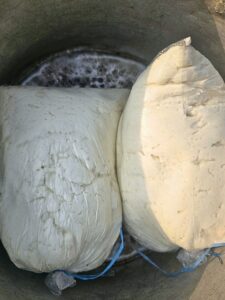
- Step 3: First Pound: Once the boiling finished, I removed the wraps and immediately began pounding. At first, the texture felt slightly firm. However, as I continued, it became smoother and more elastic. Not only did pounding remove hidden lumps, but it also developed that classic stretchy consistency. Without this step, the fufu would not achieve its traditional texture.
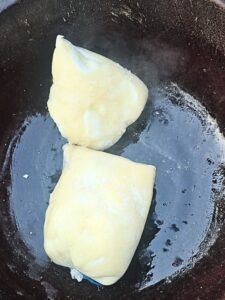
- Step 4: Second Wrap and Boil (15 Minutes) After the first pound, I rewrapped the dough in clean nylon. Then, I placed it into fresh boiling water and cooked it for another 15 minutes. Although some people skip this stage, I strongly recommend it. Because of the second boil, the structure improved significantly. As a result, the final texture became softer yet stronger.
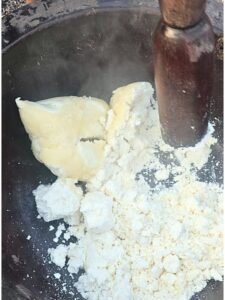
- Step 5: Final Pound for a Silky Finish: Finally, I unwrapped the dough and pounded it one last time. At this point, the transformation was clear. The fufu became: Smooth, Silky, Slightly stretchy, Soft but not sticky
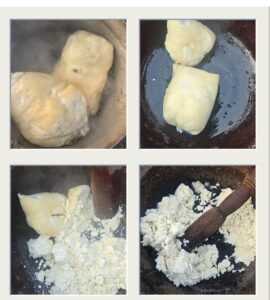
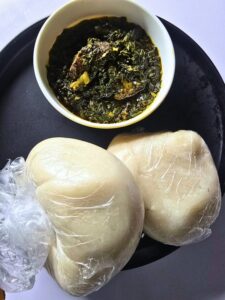
- Most importantly, it no longer gummed up my hands. Afterward, I paired it with vegetable soup and enjoyed every bite.
Notes
Mixing tip:
Use clean bare hands to mix your fufu flour and water thoroughly; breaking every lump at this stage sets the foundation for a smooth lump-free final texture.
Wrapping tip:
Wrap each portion tightly in nylon and tie securely with rope before boiling; loose wrapping allows water to seep in and ruins the texture completely.
First boil tip:
Boil wrapped fufu for a full 20 minutes without lifting the lid frequently; consistent heat ensures the inside cooks evenly throughout.
Pounding tip:
Pound immediately after removing from boiling water while still hot; pounding cold fufu is significantly harder and produces an uneven texture.
Second boil tip:
Never skip the second boil; this critical step dramatically improves the final structure making your fufu softer yet stronger and more elastic.
Final pound tip:
Your fufu is perfectly done when it no longer sticks to your hands and feels smooth, silky and slightly stretchy; these are the three signs of perfectly made fufu.
Serving suggestion:
Best served hot immediately after pounding alongside egusi soup, ofe akwu, ogbono soup or any rich Nigerian vegetable soup for a complete traditional West African meal.
Storage tip:
Fufu is best eaten fresh and hot. If storing wrap tightly in cling film and refrigerate for up to 2 days. Reheat by steaming for 10 minutes before serving.
Use clean bare hands to mix your fufu flour and water thoroughly; breaking every lump at this stage sets the foundation for a smooth lump-free final texture.
Wrapping tip:
Wrap each portion tightly in nylon and tie securely with rope before boiling; loose wrapping allows water to seep in and ruins the texture completely.
First boil tip:
Boil wrapped fufu for a full 20 minutes without lifting the lid frequently; consistent heat ensures the inside cooks evenly throughout.
Pounding tip:
Pound immediately after removing from boiling water while still hot; pounding cold fufu is significantly harder and produces an uneven texture.
Second boil tip:
Never skip the second boil; this critical step dramatically improves the final structure making your fufu softer yet stronger and more elastic.
Final pound tip:
Your fufu is perfectly done when it no longer sticks to your hands and feels smooth, silky and slightly stretchy; these are the three signs of perfectly made fufu.
Serving suggestion:
Best served hot immediately after pounding alongside egusi soup, ofe akwu, ogbono soup or any rich Nigerian vegetable soup for a complete traditional West African meal.
Storage tip:
Fufu is best eaten fresh and hot. If storing wrap tightly in cling film and refrigerate for up to 2 days. Reheat by steaming for 10 minutes before serving.