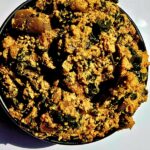
How to Cook Egusi Soup.
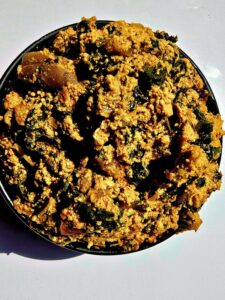
Nigerian Egusi Soup; ground melon seeds and crayfish fried in palm oil and slow simmered with tender beef, stockfish, dried fish, bold locust beans seasoning and fresh ugu leaves into a thick deeply flavored traditional West African soup that is rich in protein, healthy fats and essential nutrients. Perfect served hot with pounded yam, fufu or eba.
Servings 3 people
Calories 480kcal
Cost $5
Equipment
- 1 Blender for blending the melon and crayfish.
Ingredients
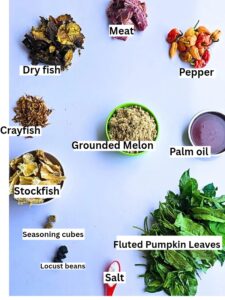
- 1 cup of melon seeds Blend together with crayfish into a smooth powder rather than blending separately; this saves time and creates a more evenly distributed nutty flavor throughout the entire soup.
- 2 whole dry fish – cleaned and deboned ash carefully to remove excess salt and any bones before adding; dry fish already contributes significant saltiness so always taste your soup before adding extra salt.
- 2 cups ugu leaves Add in the very last few seconds before turning off the heat; overcooking ugu turns it brown, strips its nutrients and makes it taste bitter instead of fresh and vibrant.
- 1/2 kg of assorted meat Season and steam until fully tender before adding to the soup; always reserve every drop of the beef stock as it forms the rich deeply flavored base that plain water cannot replicate.
- 2 cubes seasoning cubes Crumble before adding for even distribution; season gradually throughout cooking rather than all at once as stockfish, dry fish and crayfish already contribute significant saltiness to the soup.
- 2 tablespoons ground pepper Blend smooth before adding for even heat distribution throughout the soup; adjust quantity to your preferred spice level as egusi naturally absorbs and amplifies heat.
- 1 whole stockfish head or pieces – soaked and cleaned Wash thoroughly before cooking to remove dirt and sand; soak in hot water for 10–15 minutes to soften properly before adding to the pot for better texture in the final soup.
- ½ cup palm oil Heat gently but never bleach; unbleached palm oil preserves its natural nutrients, rich color and authentic flavor that gives Nigerian egusi soup its signature appearance and taste.
- 1 tablespoon locust beans Use sparingly as a little goes a very long way; locust beans deliver incredible fermented depth and earthy umami but too much overpowers the delicate nutty flavor of the melon seeds.
- 1 teaspoon Salt Always taste before adding; the combination of stockfish, dry fish, crayfish and seasoning cubes already carries substantial salt so add only what is truly needed at the very end.
Instructions
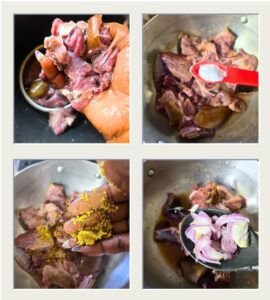
- Step 1: Wash and prepare the proteins: First, wash the stockfish and dry fish properly to remove any dirt or sand. Next, rinse your meat thoroughly, season it with salt, seasoning cubes, and a little pepper. Then, add water and cook the meat together with the stockfish until soft. This meat stock will serve as the base for your soup.
- Step 2: Blend the melon and crayfish: Next, blend the melon seeds together with crayfish into a smooth powder.Using crayfish along with melon gives the soup a rich depth of flavor. You can use a blender, a dry mill, or a grinding stone depending on what is available.
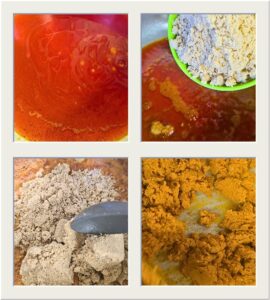
- Step 3: Heat the palm oil and fry the melon mixture: Now, pour palm oil into a clean pot and heat it gently. Do not bleach the oil. Once hot, add the ground melon and crayfish mixture. Stir continuously for about 5 minutes to ensure it does not stick to the pot or burn. This step helps the melon cook properly and prevents a raw taste in your soup.
- Step 4: Add the cooked meat and stock: After frying the melon mixture, gradually add your cooked meat, stockfish, dry fish, and the stock water from the boiled meat. Stir well to combine. At this stage, your soup will begin to take shape with a thick and appetizing look.
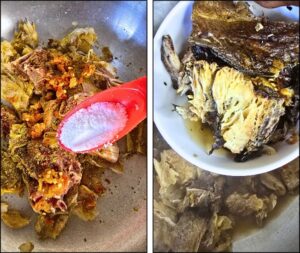
- Step 5: Add pepper, seasoning, and locust beans: Reduce the heat and cover the pot and let the soup simmer gently for another 10–15 minutes as this allows the flavors to blend together beautifully, while the melon softens and releases its nutty flavor into the soup.
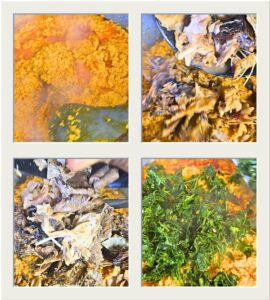
- Step 7: Next, add the ugu leaves: Next, add your ground pepper, seasoning cubes, and locust beans. Locust beans give the soup a deep, earthy, traditional flavor that many Nigerians love. Stir everything together and allow the soup to cook on medium heat for about 10 minutes and add the vegetables like ugu. Leave for extra few seconds.
Notes
Stockfish and dry fish tip:Wash thoroughly to remove dirt and sand before cooking; properly cleaned fish prevents grit in your final soup and keeps the flavor clean and fresh.
Melon blending tip: Blend melon seeds together with crayfish into a smooth powder; blending them together rather than separately saves time and creates a more evenly distributed flavor throughout the soup.
Palm oil tip: Heat palm oil gently but never bleach it; unbleached palm oil preserves its natural nutrients, color and authentic flavor that makes Nigerian egusi soup completely unique.
Frying tip: Stir the melon and crayfish mixture continuously for 5 minutes while frying; constant stirring prevents burning and eliminates the raw melon taste that ruins an otherwise good soup.
Stock tip :Always use the water from your boiled meat as your soup stock; this concentrated liquid carries deep flavor that plain water cannot replicate and forms the rich base of your egusi soup.
Locust beans tip: Add ogiri or iru sparingly; locust beans deliver incredible fermented depth and earthy umami but too much overpowers the delicate nutty flavor of the melon seeds.
Vegetable tip: Add ugu leaves in the very last few seconds before turning off the heat; overcooking ugu turns it brown, reduces its nutrients and makes it taste bitter instead of fresh and vibrant.
Serving suggestion: Serve hot with pounded yam, fufu or eba for a complete authentic Nigerian dining experience