
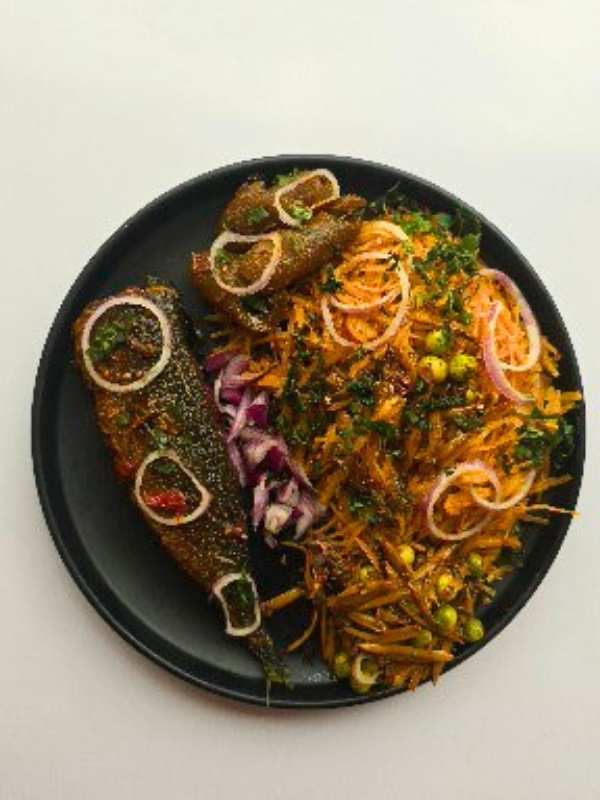
This is African Salad recipe you won’t regret trying out.
Abacha, popularly known as African Salad, is one of the most cherished traditional delicacies from Eastern Nigeria, particularly among the Igbo people which pairs so well with Hibiscus Drink and natural juice
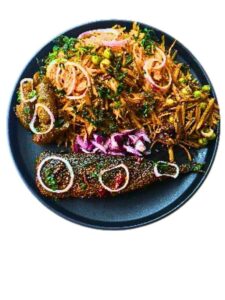
Abacha meal is a tasty, colorful, and satisfying dish made primarily from dried cassava flakes (abacha) and enriched with palm oil, vegetables, fish, spices, and condiments that give it its distinct flavor.
Growing up, abacha used to be one of the things I and my classmates always bought during break time. Honestly, I still miss those moments. I used to pair Abacha with grilled fish which gives maximum satisfaction.
Now, if you’ve ever wondered how to prepare authentic cassava salad also known as African salad at home, you’re in the right place as this abacha recipe will guide you. Also, Check out our second authentic African Salad
In this post, I’ll walk you through the step-by-step method of this abacha recipe which also known as African salad using ingredients like utazi leaves, garden egg seeds, fermented locust beans, oil bean, cow skin, spicy calabash nutmeg, and more.
By the end of this guide, not only will you master this Nigerian cassava salad recipe, but you’ll also appreciate the unique role each ingredient plays in giving this African salad its unforgettable taste.
African Salad Recipe: How to Make Nigerian Cassava Salad.
Equipment
- 1 Pot or Pan. for the fish and abacha
Ingredients
- 4 cups of Abacha Always soak in cold or lukewarm water; never hot water. Hot water makes the flakes too soft and mushy. Soak for exactly 10 minutes, then drain thoroughly before mixing into the palm oil base.
- 1 handful A handful of Utazi leaves Slice very thinly into tiny strips for best results. Utazi is naturally bitter, so use just enough to balance the richness of the palm oil without overpowering the dish. Add at the very end to keep it fresh and vibrant.
- 1 tablespoon of ahara seeds 1 tablespoon (Garden Egg Seeds)These add a subtle nutty undertone that deepens the overall flavor of the abacha. Toast lightly before grinding for a more pronounced aroma. Do not skip this ingredient; it is one of the small details that makes authentic Abacha stand out.
- 1/2 tablespoon of dry pepper Start with ½ tablespoon and adjust to your spice level. It is always easier to add more heat than to fix an overly spicy dish. Mix it thoroughly into the palm oil base for even heat distribution throughout.
- 1 bulb onion 1 medium bulb (sliced)Slice thinly and evenly so the onion blends seamlessly into the dish. Fresh, crisp onion adds a sharp contrast to the richness of the palm oil base and balances the overall flavour beautifully.
- 1 whole frozen fish 1 whole (Mackerel, Titus, or Stockfish)Wash thoroughly before seasoning and cooking. Debone carefully after cooking to avoid bones in the final dish. Grilling or frying the fish after boiling adds an extra layer of flavour and texture that makes the abacha even more satisfying.
- ½ cup of ukpaka Rinse lightly before adding if you prefer a milder fermented flavor. Ukpaka adds a bold, tangy richness that is central to authentic Abacha. Do not substitute it; there is simply nothing else that replicates its unique taste.
- 1 teaspoon Salt Add salt gradually and always taste before adding more. Remember that your stock cubes, crayfish, and fish already carry their own saltiness, so season carefully to avoid an overly salty dish.
- 2 cube seasoning Crush and dissolve the stock cubes directly into the palm oil base for even flavor distribution. Use one first, taste, and add the second only if needed. Every brand has a different salt level so always adjust accordingly.
- ½ cup of palm oil Use deep red, unbleached palm oil for the most authentic color and flavour. Do not heat it — this recipe uses raw palm oil mixed directly with the ingredients. The palm oil base is ready when it turns from deep red to a bright orange colour.
- 1/2 kilo kpomo Clean and wash thoroughly before boiling. Boil until completely soft, then dice into bite sized pieces. Kpomo absorbs all the flavors from the palm oil base beautifully and adds a satisfying chewy texture to every bite.
- 1 teaspoon ogiri Ogiri has a very strong fermented aroma a little truly goes a long way. Mix it thoroughly into the palm oil until it fully dissolves before adding anything else. It is the secret ingredient that gives authentic Abacha its deep, unmistakable traditional flavour.
- 4 whole nuts of ehuru Always roast and grind the ehuru fresh just before use for the strongest, most aromatic flavour. This is the ingredient that gives Abacha its distinctive traditional aroma and sets it apart from every other Nigerian dish. Do not substitute with regular nutmeg; the flavor is completely different.
- 1/2 cup crayfishfish (ground)Freshly ground crayfish gives the best and most intense flavor. Mix it thoroughly into the palm oil base early so it infuses deeply into every strand of abacha rather than sitting on top. Good quality crayfish is non negotiable for authentic tasting Abacha.
Instructions
- Step 1: Preparing the Abacha (Cassava Flakes): First, put the dried abacha flakes in a bowl. Next, soak in cold or lukewarm water for about 10 minutes until it softens. After that, drain the water and set aside.

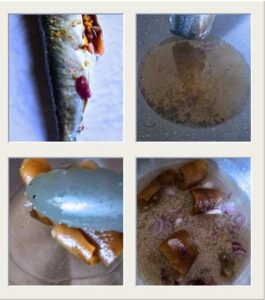
- Step 2: Cooking the Fish and Kpomo: Meanwhile, wash the frozen fish thoroughly and season lightly with salt, onions, and a pinch of pepper. Boil and fry or grill. At the same time, wash and boil the kpomo until soft. Dice into bite-size pieces and keep aside.
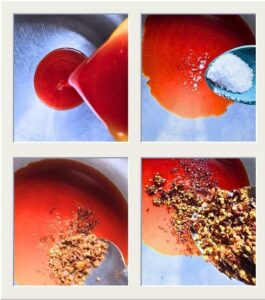
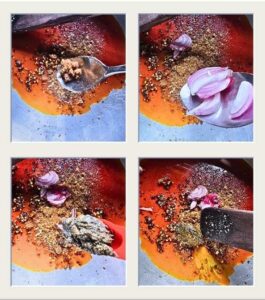
- Step 3: Preparing the Palm Oil Base: To begin, pour in the palm oil into a clean pot or bowl. Next, add the ground ehuru (calabash nutmeg) and stir. Afterwards, mix the ogiri (locust beans paste) and mix until it dissolves into the oil. Finally, add salt, ground dry pepper, ground crayfish and sliced onions. Stir until the oil changes from red to a bright orange color. This palm oil base gives abacha its signature taste and aroma.
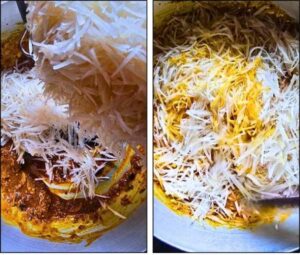
- Step 3: 1st step : Blending the abacha. Gradually add the softened abacha flakes into the palm oil base. Mix thoroughly until every strand of abacha is well coated. 2nd step : Adding the finishing touch on this abacha recipe. Sprinkle in the ground ahara seeds for that nutty undertone. Add fresh utazi leaves (chopped into tiny strips). These provide a slightly bitter taste that balances the richness of palm oil. Taste and adjust with salt, pepper, or more onions if needed.

- Step 4: Time to serve: Abacha is best served fresh and slightly warm. It can be enjoyed on its own as a main dish or paired with chilled palm wine, kunu, zobo, or even a cold soft drink.

Notes
Abacha is best served fresh and slightly warm. It does not store well for long periods as the texture changes once it sits too long.
Pair with chilled palm wine, zobo, kunu, or a cold soft drink for the full traditional experience.
Ingredients for African Salad Recipe: How to Make Nigerian Cassava Salad
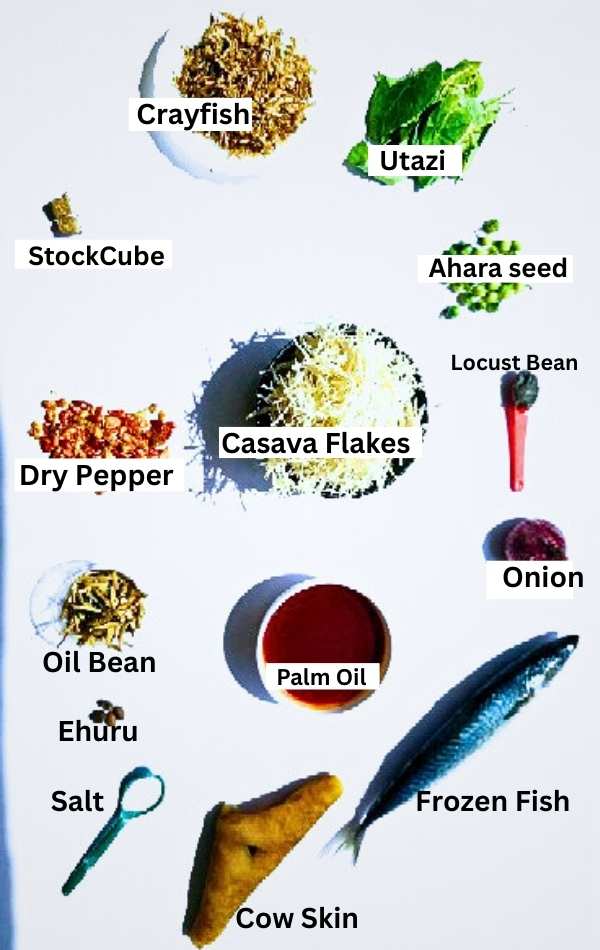
Here’s a detailed list of what you’ll need for the Abacha Recipe: How to Make Nigerian Cassava Salad recipe:
4 cups of Abacha (cassava flakes)
A handful of Utazi leaves (for garnishing, slightly bitter taste)
1 tablespoon of ahara seeds (garden eggs seeds) (
1/2 tablespoon of dry pepper (ground) –(to your spice level)
A medium bulb of onion – (sliced)
1 frozen fish (mackerel, stockfish, or Titus)
½ cup of ukpaka (oil bean)
Salt – to taste
2 stock-cube (to taste)
½ cup of palm oil – (thick red palm oil works best)
A medium size of kpomo (cow skin)
1 teaspoon of ogiri (fermented locust bean paste)
4 nuts of ehuru (calabash nutmeg) – (roasted and ground)
1/2 cup of crayfish – (ground)
Step-by-Step of African Salad Recipe: How to Make Nigerian Cassava Salad
Start this abacha recipe by:
Step 1: Preparing the Abacha (Cassava Flakes)
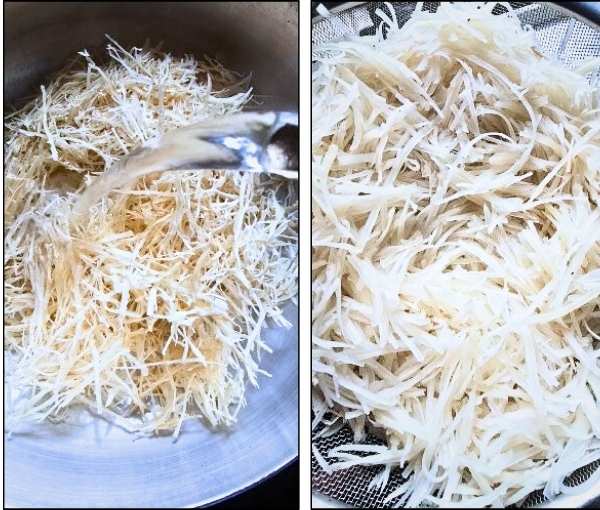
- First, put the dried abacha flakes in a bowl.
- Next, soak in cold or lukewarm water for about 10 minutes until it softens.
- After that, drain the water and set aside.
Tip: Never soak abacha in hot water, as it makes it too soft and mushy.
Step 2: Cooking the Fish and Kpomo
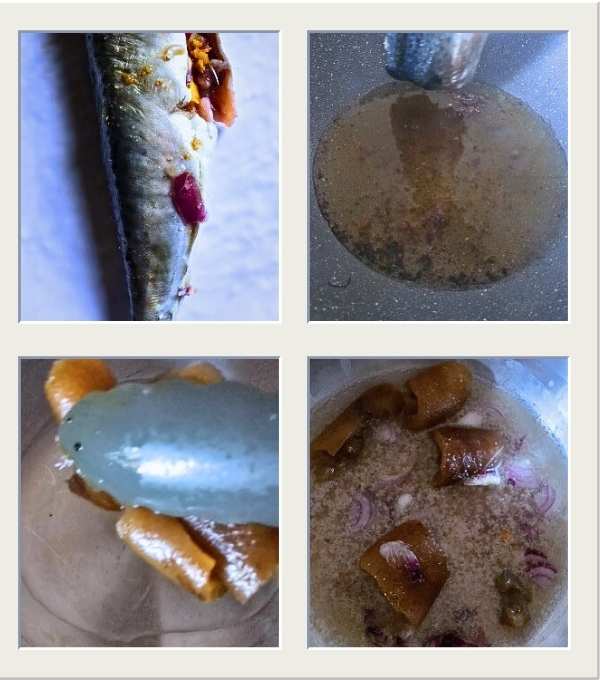
- Meanwhile, wash the frozen fish thoroughly and season lightly with salt, onions, and a pinch of pepper. Boil and fry or grill.
- At the same time, wash and boil the kpomo until soft. Dice into bite-size pieces and keep aside.
Step 3: Preparing the Palm Oil Base
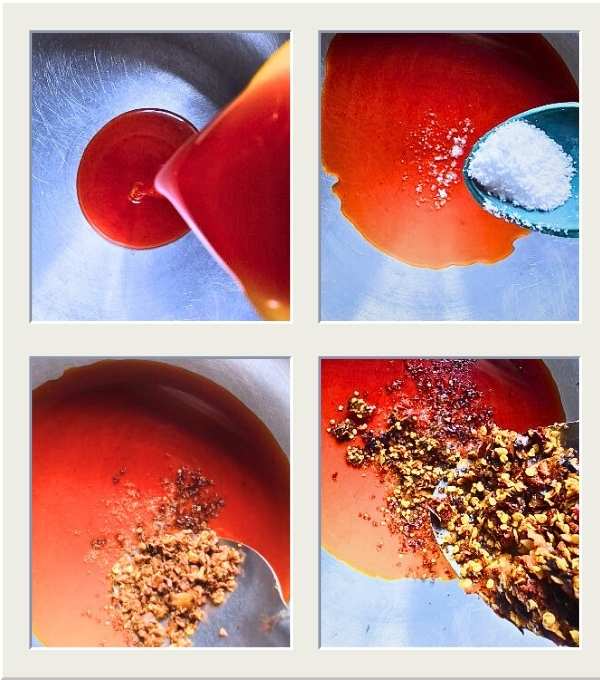
This is the heart of abacha preparation.
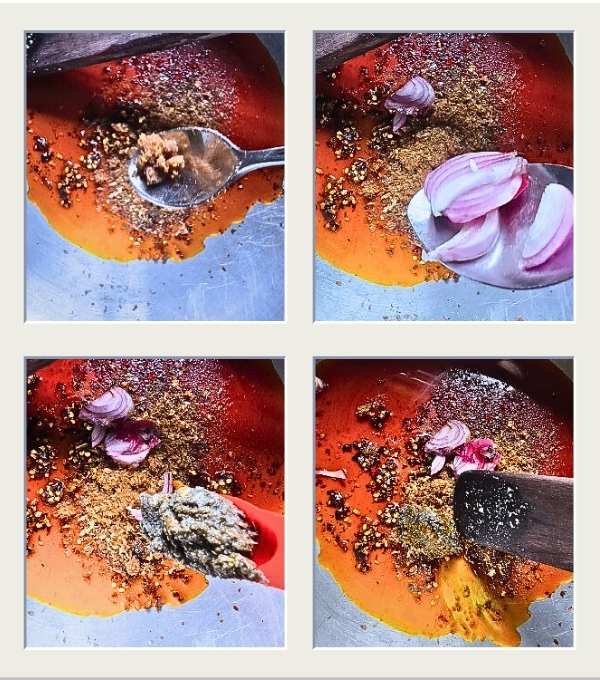
- To begin, pour in the palm oil into a clean pot or bowl.
- Next, add the ground ehuru (calabash nutmeg) and stir.
- Afterwards, mix the ogiri (locust beans paste) and mix until it dissolves into the oil.
- Finally, add salt, ground dry pepper, ground crayfish and sliced onions. Stir until the oil changes from red to a bright orange color.
This palm oil base gives abacha its signature taste and aroma.
1st step : Blending the abacha
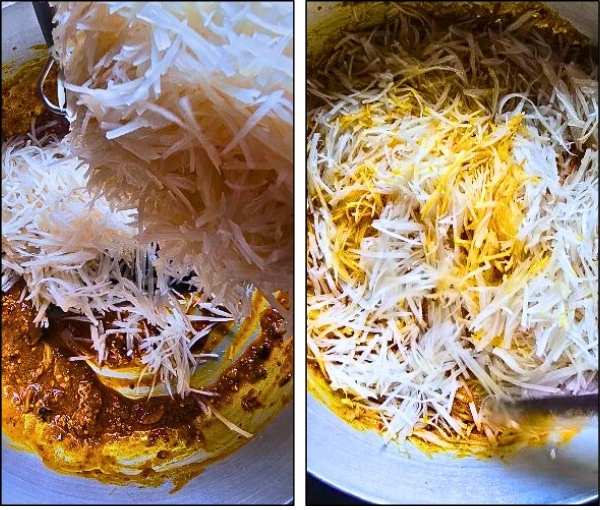
- Gradually add the softened abacha flakes into the palm oil base.
- Mix thoroughly until every strand of abacha is well coated.
2nd step : Adding the finishing touch on this abacha recipe
- Sprinkle in the ground ahara seeds for that nutty undertone.
- Add fresh utazi leaves (chopped into tiny strips). These provide a slightly bitter taste that balances the richness of palm oil.
- Taste and adjust with salt, pepper, or more onions if needed.
Step : Time to serve
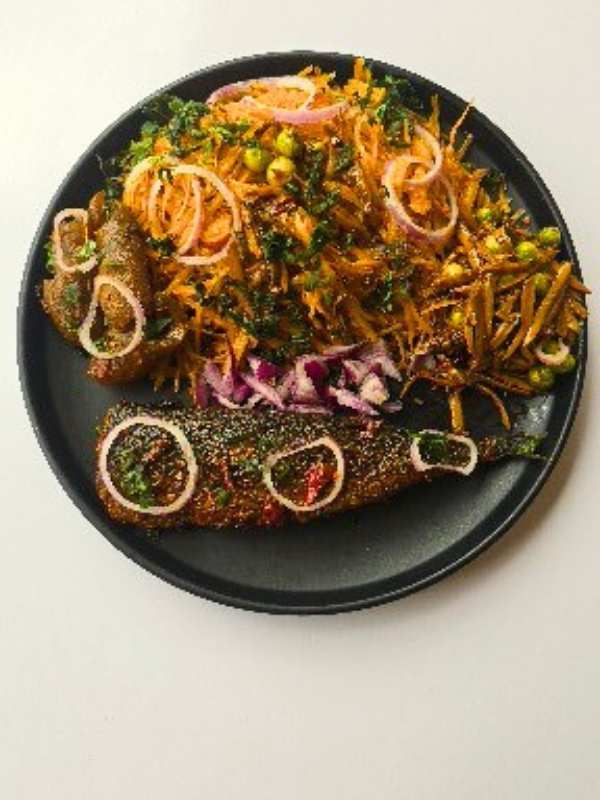
Abacha is best served fresh and slightly warm. It can be enjoyed on its own as a main dish or paired with chilled palm wine, kunu, zobo, or even a cold soft drink.
Tips for the Perfect African Salad Recipe: How to Make Nigerian Cassava Salad
Palm Oil Quality: Always use fresh, thick, and pure red palm oil. The quality of your palm oil can make or break your abacha.
Ogiri Mastery: Ogiri has a strong aroma; don’t overuse it. A small amount adds depth, but too much can overpower the dish.
Utazi Balance: If you’re new to utazi, use sparingly. Its bitterness is an acquired taste.
Fish Variety: While mackerel or Titus fish is common, you can use stockfish or smoked fish for a richer traditional feel.
Add Protein: Some people enrich their abacha with meat, crayfish, or even boiled eggs for variety.
Nutritional Benefits of Abacha: How to Make Nigerian Cassava Salad
Abacha is not just delicious—it’s also packed with nutrients when prepared with the right ingredients.
Cassava flakes (Abacha): Provides carbohydrates for energy.
Palm oil: Rich in vitamin A and healthy fats.
Ukpaka (oil bean): A good source of protein and fiber.
Fish: Packed with protein and omega-3 fatty acids.
Utazi: Known for aiding digestion and controlling blood sugar.
Ehuru and Ahara seeds: Contain antioxidants and digestive benefits.
This makes abacha a wholesome meal that balances taste with nutrition.
Common Questions About African Salad Recipe: How to Make Nigerian Cassava Salad
- Can I refrigerate abacha?
Yes, but it tastes best fresh. If refrigerated, warm slightly before serving, but avoid overheating so it doesn’t dry out.
- Can I prepare abacha without ogiri/fermented locust beans?
Yes, but ogiri adds authentic flavor. If you skip it, consider adding crayfish or stockfish to compensate.
- What’s the difference between abacha and ugba?
Abacha refers to the cassava flakes, while ugba is the oil bean (ukpaka). They often go together in African salad, but they’re not the same.
- Can I make abacha without fish?
Absolutely. You can substitute with meat, crayfish, or boiled eggs depending on preference.
Why cassava salad AKA African salad is More Than Just Food
Abacha is more than a meal—it’s a cultural identity. In Igbo land, it’s served at gatherings, weddings, festivals, and even as a quick afternoon snack. Its bright colors and rich flavors make it not just food, but a celebration of tradition.
Sharing a plate of abacha often means sharing love, laughter, and stories. That’s why this dish remains a household favorite, generation after generation.
Frequently Asked Questions
1. What Are the Ingredients for African Salad?
To make authentic African Salad, you will need the following ingredients:
- Abacha (dried cassava flakes)
- Utazi leaves (for garnishing)
- Ahara seeds (garden egg seeds)
- Dry pepper (ground)
- Onion (sliced)
- Frozen fish (mackerel, Titus, or stockfish)
- Ukpaka (oil bean)
- Palm oil (thick red palm oil)
- Kpomo (cow skin)
- Ogiri (fermented locust bean paste)
- Ehuru (calabash nutmeg, roasted and ground)
- Crayfish (ground)
- Stock cubes and salt to taste
First and foremost, the quality of your palm oil and the freshness of your ehuru make the biggest difference in the final taste. Additionally, every ingredient plays a specific role; so avoid skipping any of them for the most authentic result.
2. What Is African Salad in Igbo?
In Igbo, African Salad is called Abacha or more fully Abacha na Ugba. Furthermore, it is also commonly referred to as Abacha Ncha in many Southeast Nigerian communities, where “ncha” refers to the rich palm oil sauce that coats every strand of the cassava flakes.
Additionally, the dish is sometimes simply called Ugba na Abacha, placing the oil bean first to emphasise its importance in the recipe. Overall, regardless of what you call it, Abacha remains one of the most iconic and deeply loved dishes in Igbo food culture.
3. What Is African Salad Called?
African Salad goes by several names depending on where you are. First and foremost, it is most widely known as Abacha across Nigeria and in Nigerian diaspora communities around the world.
Additionally, it is called Nigerian Cassava Salad by food bloggers and international food writers who want to make it more accessible to a global audience.
Furthermore, in some communities it is called Abacha Ncha, Ugba na Abacha, or simply Igbo Salad. Outside Nigeria, it is increasingly recognised as African Cassava Salad on international food platforms.
Ultimately, all these names refer to the same bold, flavourful, and deeply satisfying dish that has represented Igbo cuisine for generations.
4. Is African Salad a Nigerian Dish?
Absolutely yes; African Salad is 100% a Nigerian dish. Specifically, it originates from the Igbo people of Southeast Nigeria, particularly from states like Anambra, Enugu, Imo, Abia, and Ebonyi.
Furthermore, it is one of the most popular street foods and festive dishes across Southeast Nigeria, commonly served at traditional ceremonies, celebrations, and gatherings.
Moreover, as Nigerian cuisine continues to gain international recognition, Abacha is increasingly appearing on menus in Nigerian restaurants across the United Kingdom, United States, and Canada.
So not only is African Salad Nigerian; it is proudly and unmistakably Igbo in origin, flavour, and spirit.
5. Best African Salad Recipe
Without a doubt, the best African Salad recipe is one that stays true to its traditional Igbo roots while being easy enough for anyone to follow at home.
First and foremost, the secret lies in building a perfect palm oil base with freshly roasted ehuru, dissolved ogiri, and thoroughly ground crayfish; these three ingredients together create that deep, unmistakable Abacha aroma.
Furthermore, always soak your abacha in cold water, never hot, and drain it thoroughly before mixing.
Additionally, the balance between the bitterness of utazi leaves and the richness of the palm oil is what separates a good Abacha from a truly great one.
For the most detailed, step by step, and foolproof African Salad recipe available online today, head straight to Eat with Ifeoma — a Nigerian food blog dedicated to bringing you authentic West African recipes with clear instructions,
helpful tips, and all the traditional ingredients explained.
Consequently, whether you are making Abacha for the very first time or looking to perfect your technique, that recipe will guide you every step of the way.
6. Easy African Salad Recipe
If you are looking for an easy African Salad recipe that delivers bold, authentic flavour without stress, then you are in exactly the right place. To start with, soak your abacha flakes in cold water for 10 minutes and drain thoroughly.
Next, build your palm oil base by mixing raw palm oil with ground ehuru, ogiri, crayfish, pepper, and sliced onions until the oil turns bright orange. After that, gradually fold in the softened abacha flakes and mix until every strand is evenly coated.
Then add your ukpaka, kpomo, and cooked fish. Finally, garnish with thinly sliced utazi leaves, taste and adjust seasoning, and serve immediately. As a result, you get a rich, flavourful, and completely authentic bowl of African Salad in under 30 minutes; no cooking required for the base at all.
Conclusion on Abacha Recipe: How to Make Nigerian Cassava Salad
Preparing abacha at home is simpler than most people think. With cassava flakes, palm oil, fish, and the right traditional condiments like ogiri, ukpaka, utazi, ahara seeds, and ehuru, you can recreate that authentic Eastern Nigerian taste right in your kitchen.
Whether you’re making it for family, friends, or just yourself, abacha never fails to bring joy and satisfaction. So next time you’re craving something delicious, traditional, and colorful, follow this step-by-step recipe and treat yourself to the unforgettable taste of African Salad.
You May Also Like:
How To Cook Beans With Fried Plantain
About The Author

African salad, one of the best 👌