

This Nigerian-style donut recipe makes soft, fluffy donuts at home with just flour, yeast, sugar, butter, eggs, milk, and a hint of nutmeg. No fancy equipment. No hard-to-find ingredients. Just a simple dough, two rises, and a low, slow fry that turns basic pantry staples into a warm, golden treat.
Below, you’ll find the full ingredient list, step-by-step instructions, troubleshooting tips, and answers to the most common donut questions.
And if you’ve ever wondered whether it’s “donut” or “doughnut,” both spellings are correct. They describe the same soft, fried, pillowy snack this recipe delivers.

Soft & Fluffy Nigerian Donuts (Easy Homemade Recipe)
Equipment
- 1 A large mixing bowl, a pan and a slotted spoon for turning and lifting the donuts out. A large mixing bowl, a clean surface for kneading, a pan deep enough to hold a few inches of oil, and a slotted spoon for turning and lifting the donuts out.
Ingredients
- 250 gram all-purpose flour Use all-purpose flour rather than a heavier variety; it keeps the donuts light instead of dense.
- 1 tablespoon active dry yeast Make sure it's fresh and active, or your dough won't rise. If unsure, proof it in warm water for 5 minutes first.
- 1 cup white sugar Sweetens the dough and also feeds the yeast, helping it activate and rise more efficiently.
- 1 tablespoon unsalted butter Gives the donuts their soft, tender crumb. If using salted butter instead, reduce the added salt slightly.
- 25 ml liquid milk Adds moisture and richness to the dough; plant-based milk can be used for a dairy-free version.
- 2 whole large eggs Add richness and help bind the dough together.
- 1 teaspoon ground nutmeg Brings warmth and subtle spice; stick close to the measured amount, since too much can turn bitter.
- ½ teaspoon salt Balances the sweetness and strengthens the dough's structure
- 6 cups Vegetable oil Used for frying; keep the heat low so the donuts cook through evenly without burning outside.
- 1 cup Milk Thins the icing sugar into a smooth, pourable glaze.
- 2 tablespoons Icing Forms the base of the glaze; can be made at home by blending granulated sugar until powdery
- 1 tablespoon Colorful sprinkles Add while the glaze is still wet so they stick properly.
Instructions
- Check Your Yeast First: Confirm that your yeast is active before you start. If you already know it's fresh, pour it straight into the flour, as this recipe does. If you're not sure, dissolve it in a cup of warm water first. Let it sit for at least five minutes. Once it turns frothy on top, it's ready. If it doesn't foam at all, start over with a fresh batch, since dead yeast won't make your dough rise.

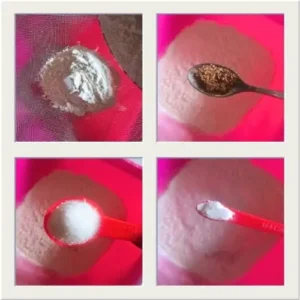
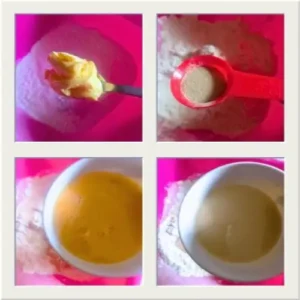
- Combine the Ingredients: Add the flour and yeast to a large bowl. Pour in the sugar, salt, and ground nutmeg. Then rub the butter into the mixture with your fingertips until it looks like coarse breadcrumbs. This step, sometimes called "rubbing in," spreads the fat evenly through the flour before any liquid goes in. Next, pour in the eggs and milk, then mix everything thoroughly until a rough dough forms. At this stage, the dough will likely look shaggy and uneven — that's completely normal, since kneading is what brings it together.
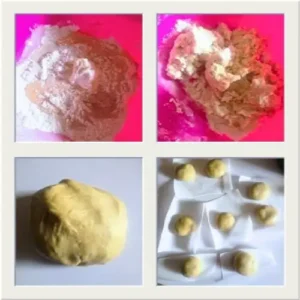
- Knead the Dough: This step makes or breaks the recipe. Knead the dough very, very well. If it isn't kneaded properly, it won't rise as it should, and it may turn out dense or heavy once fried. Keep kneading until the dough feels smooth and elastic — this usually takes longer than most people expect. If the dough feels sticky at first, resist adding extra flour; keep kneading instead, since the dough often becomes less sticky as the gluten develops.
- Shape and Let It Rise: Cut the dough into equal balls once it's ready. Place them on parchment paper, cover them, and set them in a warm spot for at least 30 minutes, or until they visibly puff up. A warm, draft-free corner of the kitchen works well; some bakers use a slightly warmed, then turned-off, oven. Either way, avoid anywhere too hot, since high heat can kill the yeast instead of helping it. Once risen, knead the dough briefly a second time, then let it rest for another 10 minutes before frying — this second rest relaxes the dough and makes it easier to shape.
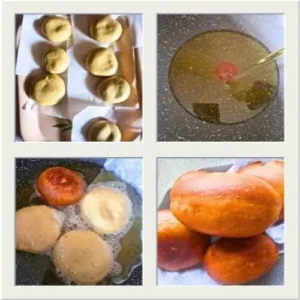
- Fry, Cool, Fill, and Glaze: Heat vegetable oil in a pan, but keep the heat very, very low. Low heat is what allows the donuts to cook through evenly, without burning outside while staying raw inside. Turn each one occasionally so both sides brown evenly, and avoid crowding the pan, since that lowers the oil temperature and leads to uneven frying. Once the donuts cool, make a small hole in the center of some and a hole in the side of others. For the glaze, mix milk with icing sugar until smooth, smear it over the top of each donut, then pour a little through the holes for a filled center. Finish with colorful sprinkles while the glaze is still wet, so they stick instead of sliding off once it sets.

Notes
Knead the dough well — this is what gives the donuts their soft, airy texture. Under-kneaded dough turns out dense.
Keep the oil on low heat throughout frying. Too hot, and the outside browns before the inside cooks through.
Best eaten fresh the same day. If storing, keep in an airtight container and glaze just before serving.
No yeast on hand? Baking powder can be used instead, though the texture will be denser, closer to a cake donut.
Dairy-free option: swap the milk for oat or almond milk in both the dough and glaze.
Ingredients for Soft & Fluffy Nigerian Donuts
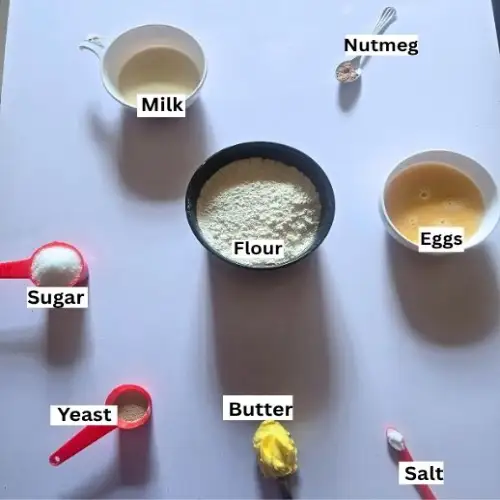
For the Dough
- 250g all-purpose flour
- 1 tablespoon active dry yeast
- 1 cup white sugar
- 1 tablespoon unsalted butter
- 25ml liquid milk
- 2 large eggs
- 1 teaspoon ground nutmeg
- ½ teaspoon salt
- Vegetable oil, for frying
For the Glaze of Soft & Fluffy Nigerian Donuts
- Milk
- Icing (confectioners’) sugar
- Colorful sprinkles, for topping
Equipment You’ll Need for Soft & Fluffy Nigerian Donuts
You don’t need much for this recipe. A large mixing bowl, a clean surface for kneading, a pan deep enough to hold a few inches of oil, and a slotted spoon for turning and lifting the donuts out. There’s no stand mixer required. No thermometer either. Just your hands, a bit of time, and a warm corner of the kitchen.
A few optional extras can make the process smoother, though none are essential. A kitchen scale helps measure the flour precisely, since 250g can vary depending on how packed a cup measure is.
A cooling rack lets excess oil drip away after frying, instead of pooling underneath the donuts. And a piping bag, or even a small spoon, makes filling the centers with glaze a little tidier.
Step-by-Step Instructions on How to Make Soft & Fluffy Nigerian Donuts
1. Check Your Yeast First
Confirm that your yeast is active before you start. If you already know it’s fresh, pour it straight into the flour, as this recipe does. If you’re not sure, dissolve it in a cup of warm water first. Let it sit for at least five minutes.
Once it turns frothy on top, it’s ready. If it doesn’t foam at all, start over with a fresh batch, since dead yeast won’t make your dough rise.
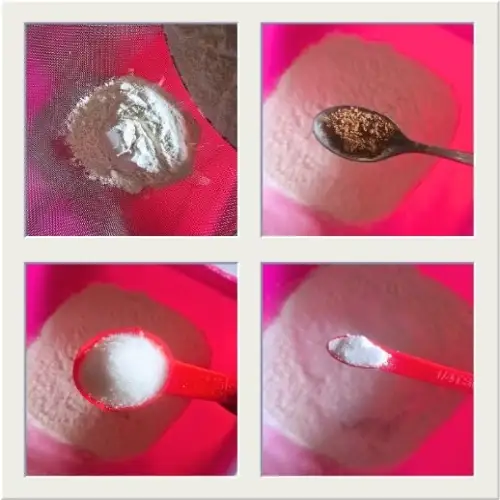
2. Combine the Dry Ingredients
Add the flour and yeast to a large bowl. Pour in the sugar, salt, and ground nutmeg. Then rub the butter into the mixture with your fingertips until it looks like coarse breadcrumbs.
This step, sometimes called “rubbing in,” spreads the fat evenly through the flour before any liquid goes in. It also helps create a more even texture in the finished dough.
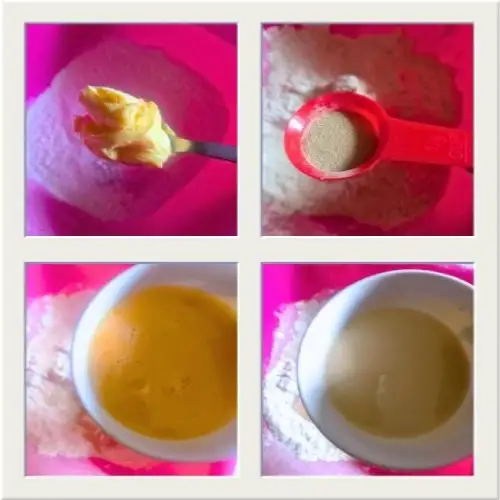
3. Add the Wet Ingredients
Pour in the eggs and milk. Mix everything thoroughly until a rough dough forms. At this stage, the dough will likely look shaggy and uneven. That’s completely normal — kneading is what brings it together.
4. Knead — and Don’t Rush This Part
This step makes or breaks the recipe. Knead the dough very, very well. If it isn’t kneaded properly, it won’t rise as it should. It may also turn out dense or heavy once fried. Keep kneading until the dough feels smooth and elastic.
This usually takes longer than most people expect. If the dough feels sticky at first, resist adding extra flour. Keep kneading instead, since the dough often becomes less sticky as the gluten develops.
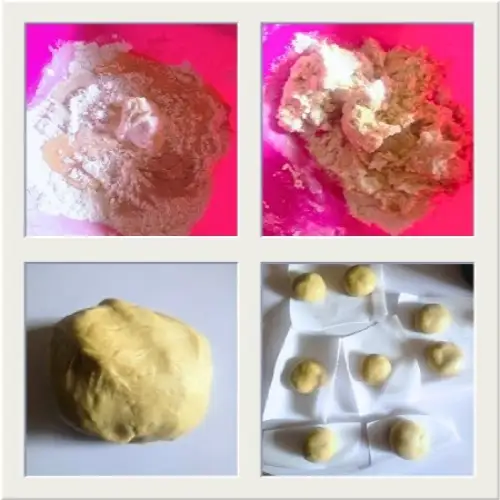
5. Shape and Let It Rise
Cut the dough into equal balls once it’s ready. Place them on parchment paper. Cover them and set them in a warm spot for at least 30 minutes, or until they visibly puff up. A warm, draft-free corner of the kitchen works well.
Some bakers use a slightly warmed, then turned-off, oven. Either way, avoid anywhere too hot, since high heat can kill the yeast instead of helping it.
6. Knead Again, Then Rest
Knead the dough briefly a second time after the first rise. Then let it rest for another 10 minutes before frying. This second rest relaxes the dough and makes it easier to shape, so don’t skip it.
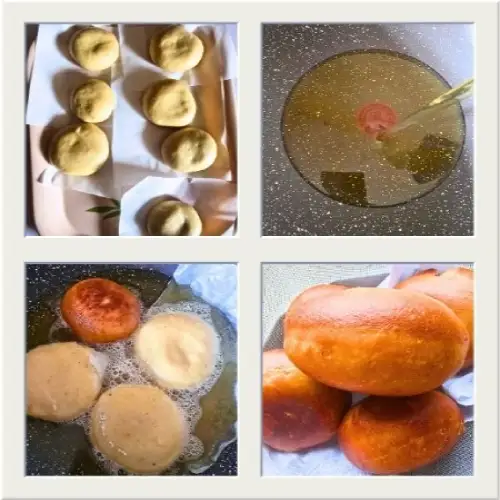
7. Fry Low and Slow
Heat vegetable oil in a pan, but keep the heat very, very low. Low heat is what allows the donuts to cook through evenly, without burning outside while staying raw inside.
Donuts are thicker than something like chin chin, so they need extra time at a gentler temperature. Turn each one occasionally so both sides brown evenly. Avoid crowding the pan too, since that lowers the oil temperature and leads to uneven frying.

8. Cool, Fill, and Glaze
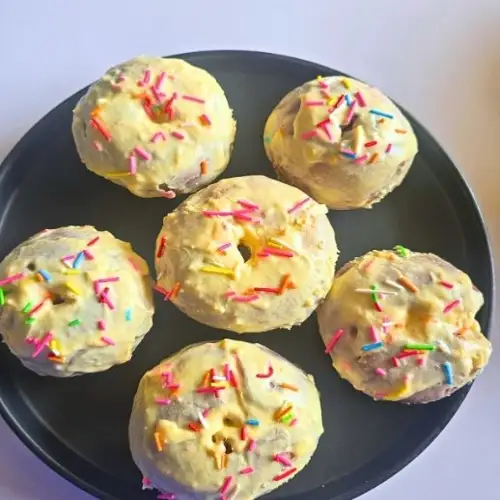
Let the donuts cool once they’re done frying. Make a small hole in the center of some, and a hole in the side of others. For the glaze, mix milk with icing sugar until smooth.
Smear it over the top of each donut, then pour a little through the holes for a filled center. Finish with colorful sprinkles while the glaze is still wet, so they stick instead of sliding off once it sets.
Why This Soft & Fluffy Nigerian Donuts Recipe Works
Many donut recipes skip the resting stage, but Soft & Fluffy Nigerian Donuts depend on it. This one leans into it. Kneading the dough thoroughly, letting it rise twice, and frying over low heat make the difference between a dense, oily donut and a soft, airy one. The extra ten minutes of patience at each stage is what separates a good donut from a great one.
This recipe also skips complicated equipment and hard-to-find ingredients. Flour, yeast, sugar, butter, eggs, milk, nutmeg, and salt are likely already in your kitchen. That means you can decide to make donuts on a whim, without a special trip to the store.
What Are the Main Ingredients of a Donut?
A donut needs just four things at its core: flour, yeast, sugar, and fat. Everything else — eggs, milk, nutmeg — builds on that base to add flavor, softness, and structure. Yeast is what makes the dough rise, so it’s worth paying close attention to before you start.
Flour provides the structure. All-purpose flour, rather than a heavier variety, keeps the finished donut light instead of dense. Sugar does double duty: it sweetens the dough and feeds the yeast, helping it activate and rise more efficiently.
Butter gives the donut its soft, tender crumb. Eggs add richness and help bind everything together. A touch of nutmeg brings warmth and subtle spice, which sets this version apart from a plain, Western-style donut.
Why This Soft & Fluffy Nigerian Donuts Feels So Fulfilling
The Memory of Warm Donuts
There’s something about a warm donut, fresh out of the oil, that goes beyond taste. Growing up, the smell of frying dough drifting from a neighbor’s kitchen was enough to stop a whole street in its tracks.
Children would gather around, coins in hand, waiting for the first batch to cool. That memory — the anticipation, the warmth, the sweetness — is what this recipe tries to recreate.
Food holds onto moments long after they’ve passed. Donuts, in particular, carry a certain nostalgia for many of us. Maybe it’s because they were never an everyday food. A donut was a treat, something you got on a good day, at a party, or as a reward. Biting into one still feels a little like celebration, even decades later.
The Joy of the Soft & Fluffy Nigerian Donuts Process
There’s also something satisfying about the process itself. Kneading dough is oddly meditative. It forces you to slow down and pay attention, in a world that constantly asks us to hurry.
Watching a small, dense ball of dough rise into something soft and full, after just thirty minutes in a warm corner, feels like a small miracle every time. Then comes the frying: the sizzle, the golden color creeping up the sides, the smell that pulls everyone toward the kitchen before the donuts have even finished cooking.
This is what makes the snack so fulfilling. It isn’t just about eating something sweet. It’s about the waiting, the working with your hands, the sharing with people you love.
It’s the simple joy of turning basic pantry ingredients into something that makes people smile. You’re not just making donuts, whether it’s for family on a Saturday morning or for no reason beyond craving something nostalgic. You’re recreating a small, warm memory, one batch at a time.
Why Nigerians Love Soft & Fluffy Nigerian Donuts Snack Like This
Donuts hold a special place at gatherings across Nigeria and beyond, much like puff-puff and chin chin. They sit at the intersection of celebration and everyday life. They show up at children’s parties, after church on Sunday, and at weekend get-togethers.
Sometimes they show up for no reason at all, beyond someone deciding the house needed the smell of frying dough in it. They’re relatively simple to make, yet they feel special to eat. That’s earned them a permanent place in the rotation of snacks that bring people together.
That duality is exactly why this recipe is worth mastering. It doesn’t ask for rare, imported ingredients. It asks for attention, a bit of arm strength for kneading, and the patience to let the dough do its work in its own time.
In return, it gives you something that tastes like more effort went into it than actually did — the mark of a truly good recipe.
Why Nutmeg Makes the Difference in Soft & Fluffy Nigerian Donuts
Nutmeg is a small ingredient with an outsized effect on this recipe. Without it, the donut still tastes sweet and soft, but it loses the warm, slightly spiced note that makes it feel distinct.
With it, that same donut tastes closer to something homemade and familiar, rather than generic. A little goes a long way, so stick close to the teaspoon measurement rather than adding more, since too much nutmeg can turn bitter and overpowering.
If nutmeg isn’t your preference, a small amount of ground cinnamon works as a substitute, though it changes the flavor profile noticeably. Either way, don’t skip the spice altogether, since it’s part of what sets this version apart from a plain donut.
Ingredient Substitutions for Soft & Fluffy Nigerian Donuts
No unsalted butter? Salted butter works in a pinch. Just reduce the added salt slightly to balance it out, since salted butter already brings some sodium of its own.
No fresh nutmeg? Ground nutmeg from a jar works just as well as freshly grated. Freshly grated tends to taste slightly stronger, if you have whole nutmeg and a grater on hand.
Out of icing sugar for the glaze? Pulse granulated sugar in a blender until powdery. Store-bought icing sugar still dissolves more smoothly and gives a cleaner finish.
Want a dairy-free version? Plant-based milk, like oat or almond milk, can generally replace the liquid milk in both the dough and the glaze. The flavor and richness will shift slightly.
Common Donut Problems
My Dough Didn’t Rise
This usually points back to the yeast. If it wasn’t active, or if it met liquid that was too hot, it likely died before it had a chance to work. Test it in warm water next time, as outlined above, before adding it to the flour.
My Donuts Came Out Dense
Dense donuts almost always trace back to insufficient kneading. Kneading develops the gluten structure that traps air during rising. Cutting this step short leaves the dough without enough structure to become light and airy.
My Donuts Are Browned Outside but Raw Inside
This happens when the oil is too hot. Lower the heat and fry more slowly. This gives the inside enough time to cook before the outside over-browns.
My Donuts Soaked Up Too Much Oil
Oil that isn’t hot enough causes the dough to absorb oil instead of frying properly. Aim for a gentle, steady sizzle rather than a rolling boil. Avoid dropping the dough into cold or lukewarm oil.
Frequently Asked Questions About Soft & Fluffy Nigerian Donuts
Can I Make This Recipe Without Yeast?
This recipe depends on yeast for its light, airy texture. Donuts made with baking powder instead of yeast do exist, though. They tend to be denser, closer to a cake donut, since baking powder works instantly rather than through slower fermentation.
How Long Do Homemade Donuts Last?
These donuts are best enjoyed fresh, so eat them the same day if possible. If you need to store them, keep them in an airtight container. Glaze just before serving, since the glaze can turn soggy if it sits too long.
Can I Bake These Instead of Frying?
This recipe relies on frying for a golden, slightly crisp exterior with a soft interior. Baking would change both the texture and flavor significantly. It isn’t a direct substitute, though it can work as a lighter alternative if you want to cut back on oil.
Why Is Low Heat So Important When Frying?
If your oil is too hot, the outside will brown before the inside finishes cooking. Resist turning up the heat to save time. Low, steady heat gives the dough enough time to cook through evenly, which matters even more for a thicker, filled donut like this one.
Can I Make the Dough Ahead of Time?
Yes. After the first rise, cover the dough tightly and refrigerate it overnight. When you’re ready to fry, let it come back to room temperature. Complete the second knead and rest before shaping and frying as usual.
Can I Double This Recipe?
Yes, doubling works well, since the ratios stay the same. Knead in two batches if your bowl is small, since a doubled amount of dough can be harder to work with all at once. Give yourself a little extra time for both rises too, since a larger volume of dough sometimes takes longer to puff up fully.
Can I Freeze the Dough or the Finished Donuts?
Yes, both options work. For the dough, shape it into balls after the first knead, then freeze them on a tray before transferring to a freezer bag. Thaw in the fridge overnight, then let them come to room temperature before shaping and frying. For finished donuts, freeze them unglazed once fully cooled. Reheat gently in a warm oven, then glaze fresh before serving.
Why Did My Donuts Turn Out Greasy?
Greasy donuts usually mean the oil temperature dropped too low at some point during frying. This can happen if you add too many donuts to the pan at once, since each addition cools the oil slightly. Fry in small batches instead, and give the oil time to come back up to temperature between rounds.
Tips for the Perfect Soft & Fluffy Nigerian Donuts Rise
Temperature matters more than most people realize. Yeast works best in a warm, gentle environment, somewhere around body temperature. Anything too cold slows it down.
Anything too hot can kill it outright. If your kitchen runs cool, place the covered dough near — not on top of — a warm stove, or inside a microwave with the light left on.
Don’t judge the rise purely by time either. While 30 minutes is a good guideline, humidity, room temperature, and yeast freshness can all speed up or slow down the process.
Look for visual cues instead: the dough should look noticeably puffier and feel light and slightly springy when you press it.
Resist adding more yeast than the recipe calls for, too. More yeast might seem like a shortcut to a faster, more reliable rise.
But too much yeast can make the dough rise unevenly and taste overly yeasty once fried. Trust the process and give it the time it needs.
Keep the covering breathable but snug. A clean kitchen towel or a loosely draped sheet of plastic wrap works well. Tight enough to trap warmth and moisture, but not so tight that it restricts the dough as it expands.
A Note on Portion Size
This recipe makes a batch of medium-sized donuts, though the exact count depends on how large you shape each ball of dough. Smaller balls fry faster and give you more pieces to share, which works well for parties or a house full of guests.
Larger balls take a bit longer to cook through, so lower the oil heat slightly if you go bigger, and give each one extra time before turning.
Serving Suggestions of Soft & Fluffy Nigerian Donuts
These donuts work well on their own. They also pair nicely with a warm drink, whether that’s tea, coffee, or hot chocolate.
For a more indulgent spread, serve them alongside other fried snacks. Or set out a small topping station — extra icing sugar, chocolate drizzle, crushed nuts — so everyone can customize their own.
Notes & Variations
- No yeast on hand? Some readers search for donuts made with baking powder instead. This recipe relies on yeast for its light, airy texture, but baking powder versions exist and produce a denser, cake-style donut.
- Storage: These donuts are best fresh, so eat them the same day if possible. Store leftovers in an airtight container, and glaze just before serving.
- Low heat is non-negotiable. If your oil is too hot, the outside browns before the inside finishes cooking. Resist the urge to raise the heat to save time.
- Filling variations. This dough also works well with other fillings, like jam, custard, or chocolate spread, piped in through the same small hole.
Conclusion on Soft & Fluffy Nigerian Donuts
The secret to this recipe isn’t a rare ingredient. It’s patience at every stage: proofing, kneading, and frying low and slow. Follow those three principles, and soft, bakery-style donuts are well within reach, right from your own kitchen.
Beyond the technique, remember what you’re really making: a small piece of comfort, the kind that fills a kitchen with warmth and pulls people to the table.
So the next time you’re craving something sweet, homemade, and a little nostalgic, come back to this recipe. Sometimes the most fulfilling things really are the simplest ones — a bit of flour, a little sugar, and the patience to let something good slowly come together.
You May Also Like Other Homemade Snacks like:
About The Author



Easy Donut Recipe