
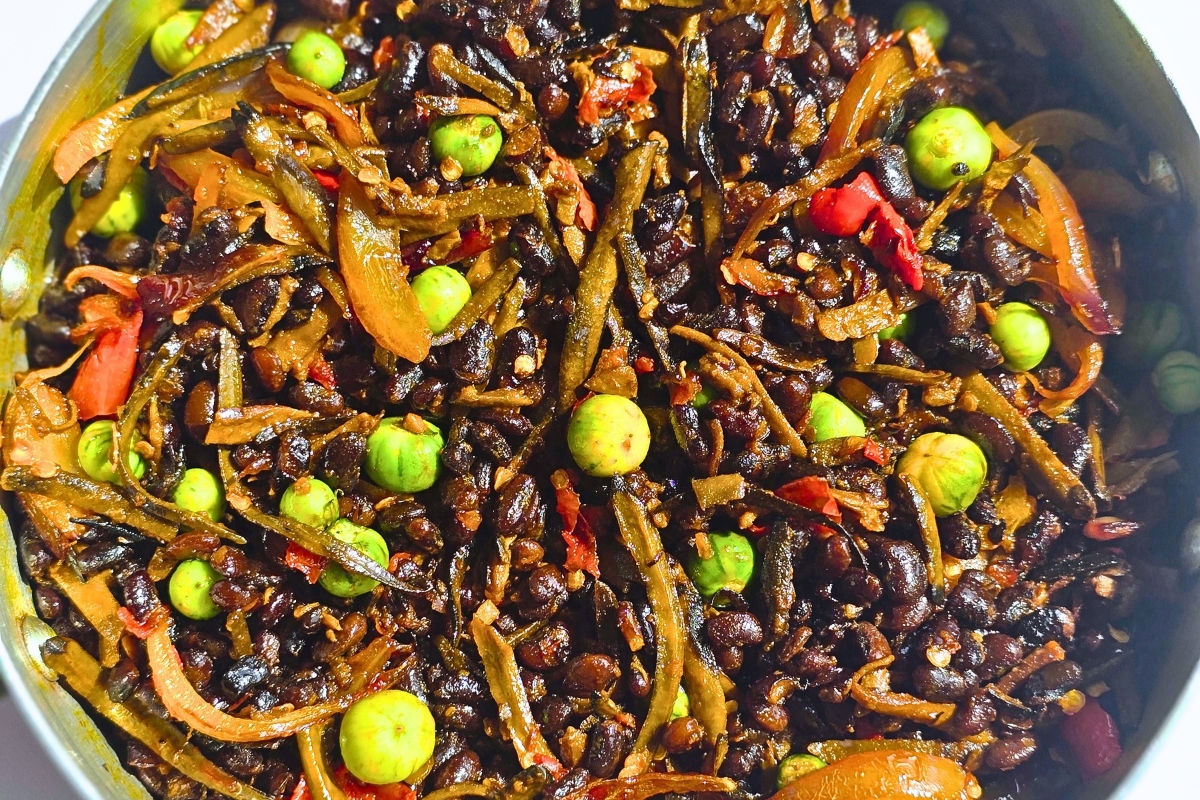
How to Cook Nigerian Akidi Beans (Akidi Benefits) you need for good health.
The Beautiful Childhood Memory Behind Nigerian Akidi
There was always something deeply comforting about waking up to the smell of Akidi cooking in grandma’s kitchen.
Very early in the morning, smoke from firewood would slowly rise into the cold village air.
Meanwhile, chickens wandered around freely while women swept their compounds with traditional brooms. At the same time, the rich aroma of palm oil, fresh pepper, and boiling beans filled the entire environment.
As children, we already knew something special was cooking.
Soon afterward, grandma would sit beside the cooking pot patiently stirring the Akidi with calm experience. Unlike today’s fast cooking methods, traditional cooking required patience, attention, and love.
More importantly, these women remained healthy for many years.
Even in old age, many of them still walked long distances, farmed actively, carried heavy loads, and stayed energetic. Interestingly, their diets mostly contained natural traditional foods like:
- Akidi
- Abacha
- Ugba
- Nkwobi
- Moi Moi
- Beans
- Yam
- Vegetables
Also, many people now believe that traditional African foods played a major role in supporting their long healthy lives.
Today, Nigerians in the US, UK, Canada, and across Europe constantly search online for authentic Nigerian recipes because they miss the comfort of home cooking.
As a result, searches for:
- Nigerian dinner recipes
- Healthy Nigerian foods
- African beans recipe
- Traditional Igbo food
- Nigerian food for weight loss
- Healthy African meals
- Nigerian recipes for diabetics
- High protein African meals
- Nigerian black beans recipe
- African vegan recipes
Fortunately, Akidi remains one of the healthiest and most satisfying traditional Nigerian meals you can make.
Additionally, it is affordable, nutritious, filling, and incredibly flavorful.
Most importantly, it carries the taste of home.
What Is Nigerian Akidi?
Akidi is a traditional Igbo bean dish popular in southeastern Nigeria.
Although many people call it black beans or cowpeas in English, Akidi has a unique flavor and texture that separates it from ordinary beans.
Unlike regular bean porridge, Akidi is prepared in a lighter and more traditional style. Instead of becoming too watery, the beans are coated beautifully in palm oil mixed with peppers, onions, and Ugba.
Also, the final dish becomes rich, aromatic, colorful, and deeply satisfying.
Furthermore, Akidi is widely respected because it combines taste with nutrition.
Why Nigerian Akidi Is Healthy Meal: How to Cook Nigerian Akidi Beans (Akidi Benefits)
Recently, traditional African foods have gained global attention.
As more people search for healthy natural meals, African dishes are now appearing on international food blogs, YouTube channels, Pinterest boards, and restaurant menus.
Interestingly, Akidi fits perfectly into today’s healthy eating lifestyle.
For example, it is:
- High in protein
- Rich in fiber
- Naturally gluten-free
- Plant-based
- Filling
- Affordable
- Nutrient-dense
Therefore, health-conscious people now appreciate traditional Nigerian meals more than ever before.
Additionally, Nigerians abroad love Akidi because it reconnects them to family memories and cultural roots.
In fact, one spoonful often reminds people of:
- Christmas holidays in the village
- Grandma’s kitchen
- Family gatherings
- Traditional weddings
- Sunday afternoon meals
As a result, Akidi has become more than just food.
Instead, it has become emotional comfort.
What Type of Food Is Akidi?:How to Cook Nigerian Akidi Beans (Akidi Benefits)
Akidi falls into several healthy food categories.
Traditional Nigerian Food: How to Cook Nigerian Akidi Beans (Akidi Benefits)
First of all, Akidi is a respected indigenous Igbo meal.
Healthy African Dinner Recipe: How to Cook Nigerian Akidi Beans (Akidi Benefits)
Additionally, because it is filling and satisfying, many families eat it for dinner.
Plant-Based Protein Meal: How to Cook Nigerian Akidi Beans (Akidi Benefits)
Furthermore, beans naturally contain plant protein, making Akidi ideal for vegetarians.
High-Fiber Weight Loss Food: How to Cook Nigerian Akidi Beans (Akidi Benefits)
Because Akidi keeps people fuller for longer, it supports healthy eating goals.
Gluten-Free African Dish: How to Cook Nigerian Akidi Beans (Akidi Benefits)
Naturally, Akidi contains no gluten.
Therefore, many people with gluten intolerance can enjoy it comfortably.
How to Cook Nigerian Akidi Beans (Akidi Benefits).
Equipment
- 1 pot for cooking the beans
Ingredients
- 2 cups Akidi beans Akidi beans are rich in plant protein and fiber. Additionally, they keep you fuller for longer, making this meal highly satisfying and nutritious.
- 1/2 cup red palm oil Palm oil gives Akidi its authentic traditional Igbo flavor and rich color. Furthermore, it adds healthy fats and enhances the aroma beautifully.
- 12 whole fresh red peppers Fresh pepper adds natural heat, freshness, and bold African flavor. Moreover, it helps balance the richness of the palm oil.
- 1 whole medium onion Onions add sweetness and depth of flavor to the dish. Additionally, they improve the overall aroma while cooking.
- 1 teaspoon salt Salt enhances all the natural flavors in the Akidi. However, use moderately for the best flavor balance.
- 1 teaspoon seasoning cube powder Seasoning cube adds savory taste and improves the richness of the meal. Nevertheless, avoid excessive seasoning to preserve the authentic traditional flavor.
- 1 cup Ugba Ugba gives the dish its signature traditional Igbo taste and texture. Furthermore, it adds an earthy fermented flavor that makes Akidi unique.
- 1/2 cup small fresh garden eggs Garden eggs add freshness and slight crunch to the final dish. Additionally, they help balance the richness of the palm oil and Ugba.
- 3 litres Water for boiling Enough to cook till tender.
Instructions
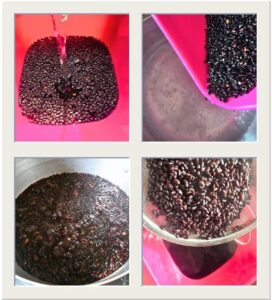
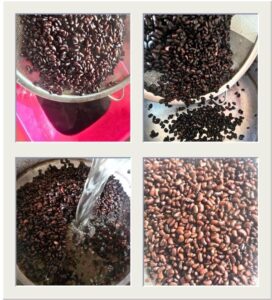
- Step 1: Pick and Wash the Akidi: First, spread the Akidi on a tray carefully. Then, remove stones, dirt, and damaged beans. Afterward, wash thoroughly several times until the water becomes clean. This process is very important because locally processed beans may contain particles.

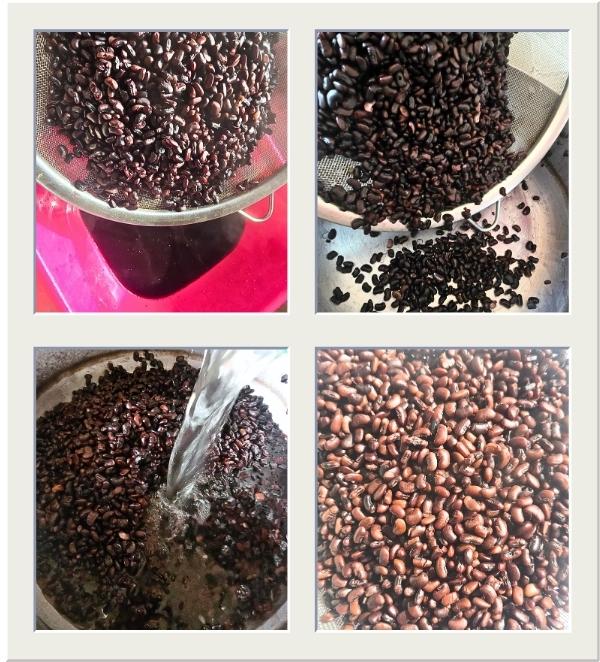
- Step 2: Boil and Change the Water: Next, place water on the stove and allow it to boil. Immediately afterward, add the Akidi and boil for 10 minutes. Then, sieve out the water completely. After that, replace it with fresh clean water and continue cooking until the beans become soft. Importantly, this process prevents the beans from becoming too dark.
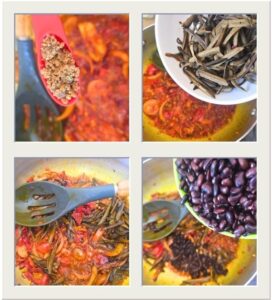
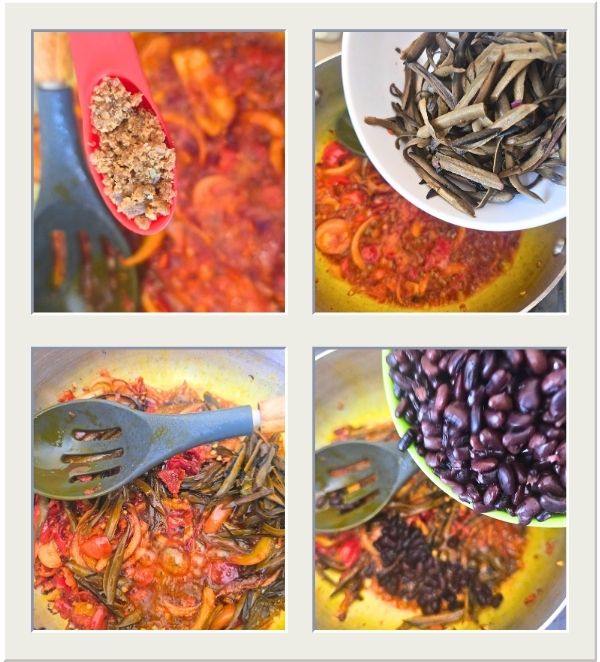
- Step 3: Prepare the Palm Oil Mixture: Meanwhile, place another pot on medium heat. Then, add: Palm oil. Onions, Fresh pepper, Salt, Seasoning cube, Ugba. Next, allow everything to heat gently. At this stage, the aroma becomes absolutely irresistible.
- Step 4: Combine Everything Together: Afterward, pour the cooked Akidi into the palm oil mixture. Then, stir thoroughly so every bean becomes coated properly. Next, allow the mixture to steam gently for about 3 minutes. Overall, all the flavors combine beautifully.
- Step 4: Combine Everything Together: Afterward, pour the cooked Akidi into the palm oil mixture. Then, stir thoroughly so every bean becomes coated properly. Next, allow the mixture to steam gently for about 3 minutes. Overall, all the flavors combine beautifully.

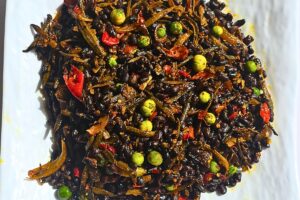
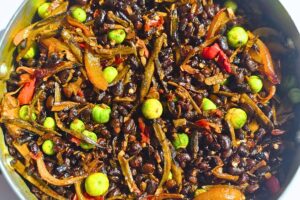
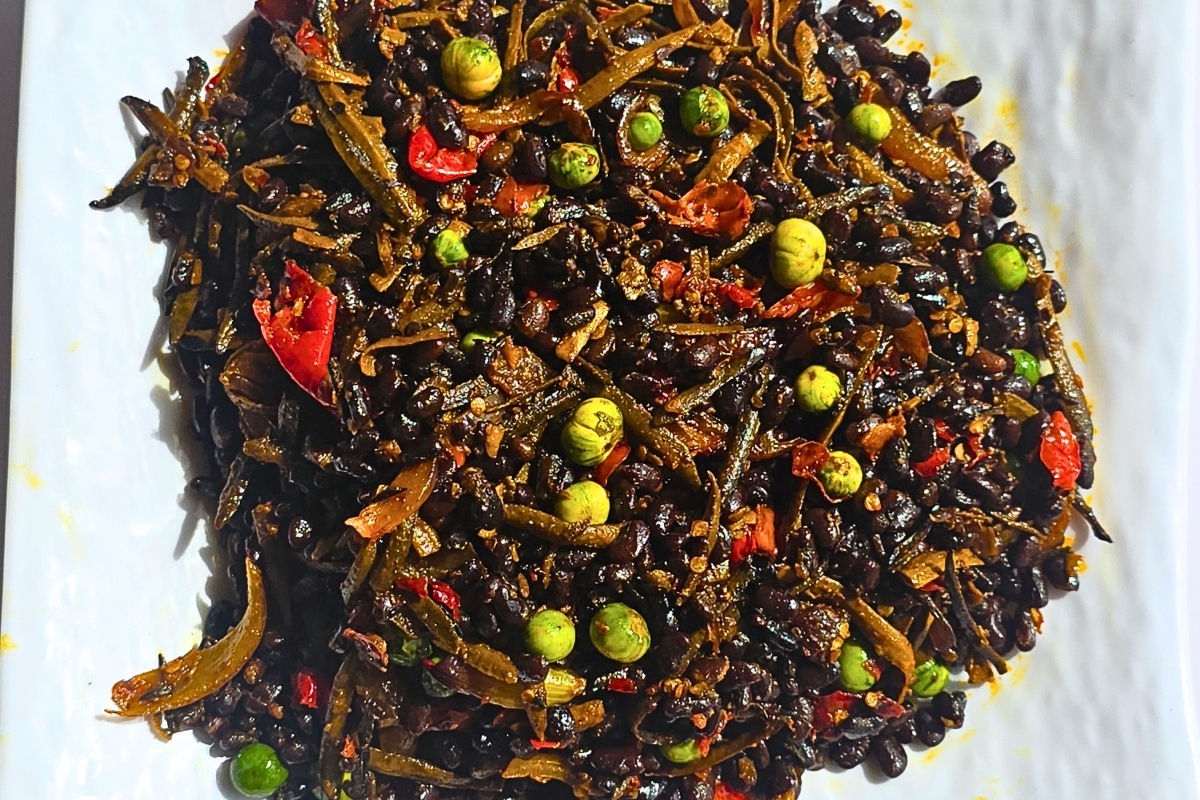
- Step 5: Garnish and Serve: Finally, dish out the Akidi while hot. Then, sprinkle sliced garden eggs on top. Immediately afterward, serve and enjoy.

Notes
Ingredients for Nigerian Akidi Recipe: How to Cook Nigerian Akidi Beans (Akidi Benefits)
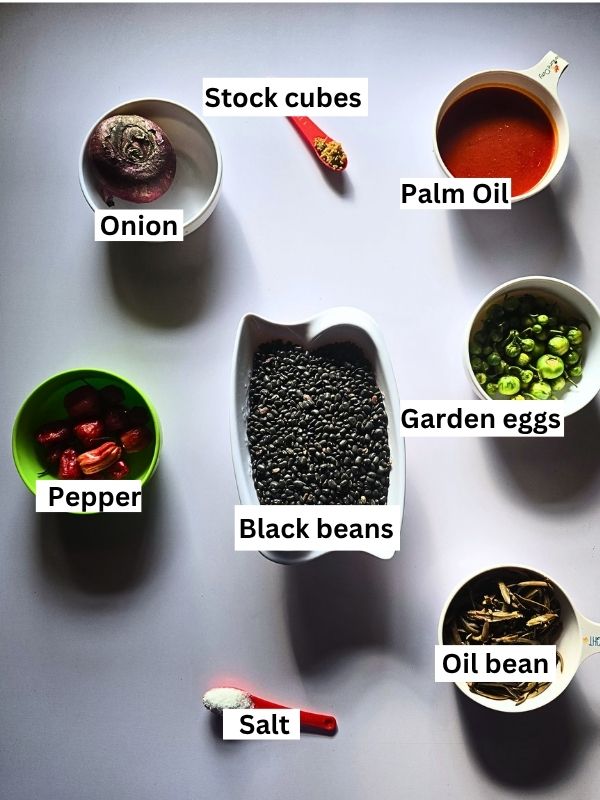
This recipe serves approximately 6 people.
Main Ingredients on How to Cook Nigerian Akidi Beans (Akidi Benefits)
- 2 cups Akidi beans (black beans/cowpeas)
- 1/2 cup red palm oil
- 12 fresh red peppers, diced
- 1 medium onion, diced
- 1 teaspoon salt
- 1 teaspoon seasoning cube powder
- 1 cup Ugba (oil bean)
- 1/2 cup small fresh garden eggs
- Water for boiling
Ingredient Substitutes for Nigerians Abroad: How to Cook Nigerian Akidi Beans (Akidi Benefits)
Thankfully, people living outside Nigeria can still enjoy Akidi.
Akidi Substitute
If Akidi is unavailable, you can use:
- Black-eyed peas
- Brown beans
- Black beans
Although the taste changes slightly, the meal still turns out delicious.
Palm Oil Substitute
If palm oil is unavailable, you may use:
- Olive oil
- Coconut oil
- Avocado oil
However, authentic Akidi tastes best with traditional red palm oil.
Ugba Substitute
If you cannot find Ugba, you may use:
- Fermented soybeans
- Mushrooms
- Chopped olives
Alternatively, you can skip it completely.
Garden Egg Substitute
Instead of garden eggs, you can use:
- Baby eggplants
- Cucumbers
- Bell peppers
Why Changing the Water Matters: How to Cook Nigerian Akidi Beans (Akidi Benefits)
One important traditional cooking secret is the water-changing process.
After boiling the beans for about 10 minutes, the first water is discarded completely.
Then, fresh clean water is added before cooking continues.
Although many younger cooks skip this step, experienced grandmothers rarely ignore it.
Importantly, this method helps:
- Reduce bitterness
- Improve digestion
- Lighten the color
- Remove excess starch
- Reduce heaviness
Also, the Akidi becomes cleaner, smoother, and more appetizing.
How to Cook Nigerian Akidi: How to Cook Nigerian Akidi Beans (Akidi Benefits)
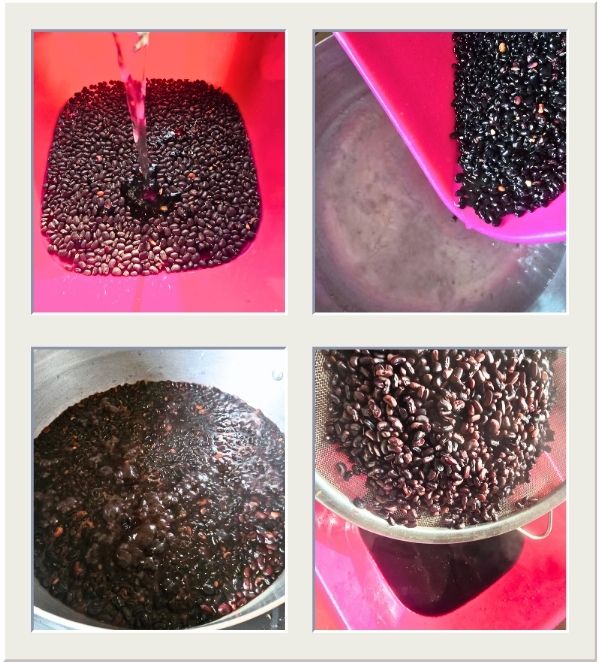
Step 1: Pick and Wash the Akidi
First, spread the Akidi on a tray carefully.
Then, remove stones, dirt, and damaged beans.
Afterward, wash thoroughly several times until the water becomes clean.
This process is very important because locally processed beans may contain particles.
Step 2: Boil and Change the Water
Next, place water on the stove and allow it to boil.
Immediately afterward, add the Akidi and boil for 10 minutes.
Then, sieve out the water completely.
After that, replace it with fresh clean water and continue cooking until the beans become soft.
Importantly, this process prevents the beans from becoming too dark.
Step 3: Prepare the Palm Oil Mixture
Meanwhile, place another pot on medium heat.
Then, add:
- Palm oil
- Onions
- Fresh pepper
- Salt
- Seasoning cube
- Ugba
Next, allow everything to heat gently.
At this stage, the aroma becomes absolutely irresistible.

Step 4: Combine Everything Together
Afterward, pour the cooked Akidi into the palm oil mixture.
Then, stir thoroughly so every bean becomes coated properly.
Next, allow the mixture to steam gently for about 3 minutes.
Overall, all the flavors combine beautifully.
Step 5: Garnish and Serve
Finally, dish out the Akidi while hot.
Then, sprinkle sliced garden eggs on top.
Immediately afterward, serve and enjoy.
Total cooking time: 1 hour and 20 minutes.
What Does Nigerian Akidi Taste Like? How to Cook Nigerian Akidi Beans (Akidi Benefits)
Akidi has a deeply earthy and comforting taste.
Interestingly, the flavor combines:
- Smokiness from palm oil
- Softness from the beans
- Fresh heat from pepper
- Richness from Ugba
- Crunch from garden eggs
As a result, every bite feels warm, satisfying, and deeply traditional.
Common Mistakes People Make While Cooking Akidi: How to Cook Nigerian Akidi Beans (Akidi Benefits)
Although Akidi seems simple, several mistakes can affect the final result badly.
Skipping the Water Change
Unfortunately, many people ignore this step.
Also, the beans become darker and heavier.
Overcooking the Beans
If the beans cook for too long, they become mushy.
Instead, they should remain soft but slightly firm.
Using Too Much Palm Oil
Although palm oil is essential, excess oil can overpower the dish.
Therefore, balance matters greatly.
Burning the Palm Oil
If the oil becomes too hot, bitterness develops.
Instead, heat it gently.
Adding Too Much Salt
Because Ugba already contains strong flavor, too much salt ruins the balance.
Health Benefits of Nigerian Akidi: How to Cook Nigerian Akidi Beans (Akidi Benefits)
One major reason Akidi is becoming popular globally is because of its impressive health benefits.
Interestingly, many traditional African foods naturally support healthy living.
Akidi Is Rich in Protein
Beans naturally contain plant-based protein.
Therefore, Akidi helps:
- Build muscles
- Repair body tissues
- Support healthy aging
- Maintain strength
Additionally, elderly people need more protein as they age.
Also, Akidi becomes highly beneficial for seniors.
Akidi Supports Weight Loss
Many people struggle with overeating because processed foods digest quickly.
However, Akidi contains:
- Fiber
- Protein
- Slow-digesting carbohydrates
As a result, it keeps people fuller for longer periods.
Consequently, many people snack less after eating Akidi.
Additionally, stable fullness helps support healthy weight management goals.
Akidi May Help Diabetics
Beans generally digest slower than refined carbohydrates.
Therefore, Akidi may help reduce sudden blood sugar spikes.
Additionally, the fiber content slows digestion further.
As a result, glucose enters the bloodstream gradually instead of rapidly.
Many diabetics include beans in balanced healthy diets.
However, moderation still matters.
Akidi May Support Kidney Health
Traditional bean-based meals may support healthier eating habits overall.
Furthermore, reducing processed foods often supports better wellness.
However, people with kidney disease should still follow medical advice because some kidney conditions require protein monitoring.
Nevertheless, moderate plant-based meals remain widely respected in healthy diets.
Akidi Supports Heart Health
Beans contain nutrients and fiber that support heart wellness.
Additionally, traditional African diets usually contain fewer processed ingredients.
Consequently, many elderly Africans maintained active lifestyles for decades.
Akidi Helps Digestion
Because Akidi contains fiber, it supports smoother digestion.
As a result, it may help:
- Reduce constipation
- Improve bowel movement
- Support gut health
- Increase fullness
Note, the traditional water-changing method may improve digestibility even more.
Akidi Provides Long-Lasting Energy
Unlike sugary meals that create quick hunger afterward, Akidi releases energy gradually.
Therefore, it works perfectly for:
- Workers
- Students
- Elderly people
- Nursing mothers
- Busy parents
Why Grandparents Stayed Strong Eating Traditional Foods: How to Cook Nigerian Akidi Beans (Akidi Benefits)
Interestingly, many grandparents ate healthier diets than modern generations.
Although they lacked modern nutrition knowledge, they naturally consumed:
- Whole foods
- Fresh vegetables
- Fiber-rich meals
- Unprocessed ingredients
Consequently, obesity rates were lower.
Also, many lifestyle diseases appeared less frequently.
Traditional foods like:
- Akidi
- Ugba
- Abacha
- Moi Moi
- Yam
- Okra soup
provided natural nourishment consistently.
Best Foods to Eat with Akidi: How to Cook Nigerian Akidi Beans (Akidi Benefits)
Although Akidi tastes amazing alone, many people enjoy pairing it with other foods.
Traditional Pairings: How to Cook Nigerian Akidi Beans (Akidi Benefits)
Common options include:
- Boiled yam
- Roasted plantain
- Garri
- Cocoyam
Igbo Delicacies
Akidi pairs beautifully with:
- Abacha (African Salad)
- Ugba Salad
- Cocoyam with Native Sauce
Also, these combinations create a complete traditional Igbo feast.
Why Akidi Is Perfect for Dinner
Akidi works wonderfully as dinner because it is:
- Filling
- Nutritious
- Comforting
- Protein-rich
- Affordable
Additionally, it satisfies hunger for long periods without feeling too heavy.
Therefore, many families prefer it as an evening meal.
Tips for Authentic Village-Style Akidi
If you want authentic traditional flavor, these tips help greatly.
Use Fresh Palm Oil
Fresh oil improves both aroma and taste.
Cook Slowly
Traditional cooking values patience.
Avoid Excess Seasoning
Too many spices hide the natural flavor.
Use Fresh Peppers
Fresh peppers create brighter flavor.
Add Ugba
Whenever possible, include Ugba for authentic Eastern Nigerian taste.
Frequently Asked Questions About How to Cook Nigerian Akidi Beans (Akidi Benefits)
1. What Is Akidi Called in English?
Akidi is commonly called cowpeas or black beans by many Nigerians in English. However, true Akidi is slightly different from the regular black beans commonly sold in Western supermarkets.
In southeastern Nigeria, especially among the Igbo people, Akidi refers to a local variety of small beans traditionally used for making healthy native dishes like Akidi and Ugba.
Additionally, many people abroad use black-eyed peas or black beans as substitutes because they are easier to find.
Therefore, while Akidi may be described in English as black beans or cowpeas, traditional Nigerian Akidi still has its own unique texture, flavor, and cultural identity.
2. Is Akidi the Same as Black Beans?
Not exactly.
Although many people compare Akidi to black beans, they are not completely the same.
Akidi is a traditional Nigerian bean variety commonly eaten in Igbo communities. Meanwhile, black beans sold in the US and UK are usually larger, darker, and softer after cooking.
Additionally, Akidi has:
- A firmer texture
- A more earthy flavor
- A traditional village taste
- Better compatibility with Ugba and palm oil
However, if you live abroad and cannot find Akidi, black beans can still work as a substitute.
3. What Are Akidi Beans?
Akidi beans are traditional Nigerian beans popular in southeastern Nigeria.
They are mostly used for preparing:
- Akidi and Ugba
- Native Igbo meals
- Healthy African bean dishes
- Traditional Nigerian dinners
Furthermore, Akidi beans are highly nutritious because they contain:
- Protein
- Fiber
- Iron
- Vitamins
- Minerals
As a result, many families consider them one of the healthiest traditional foods in Igbo culture.
4. What Is Akidi in English?
In English, Akidi is often translated as:
- Cowpeas
- Black beans
- Native beans
- African beans
However, there is no exact English translation that perfectly captures the original Nigerian Akidi variety.
Therefore, many Nigerians simply continue calling it “Akidi” even while speaking English.
Interestingly, the name itself has now become widely recognized among Nigerians in the diaspora and African food lovers globally.
5. What Is Akidi Seed?
Akidi seed refers to the dried bean seed used for cooking traditional Akidi meals.
Before cooking, the seeds are usually:
- Picked carefully
- Washed thoroughly
- Boiled until soft
Afterward, they are mixed with palm oil, onions, peppers, and Ugba to create the final dish.
Akidi seeds are valued because they store well for long periods without spoiling easily.
Also, many traditional families keep them in bulk after harvest seasons.
6. What Are the Health Benefits of Akidi?
Akidi offers numerous health benefits because it contains natural plant nutrients.
Akidi Is Rich in Protein
First of all, Akidi contains plant-based protein that helps:
- Build muscles
- Repair tissues
- Support strength
Therefore, it is especially beneficial for elderly people.
Akidi Supports Weight Loss
Additionally, Akidi contains fiber that keeps people fuller for longer periods.
As a result, it may reduce overeating and unhealthy snacking.
Akidi May Help Diabetics
Because Akidi digests slowly, it may help reduce rapid blood sugar spikes.
Consequently, many diabetics include beans in healthy meal plans.
Akidi Supports Digestion
Furthermore, the fiber content helps improve digestion and bowel movement.
Akidi May Support Heart Health
Beans generally support healthier eating habits because they contain less processed fat and more natural nutrients.
Akidi Provides Long-Lasting Energy
Unlike sugary foods, Akidi releases energy gradually.
Therefore, it helps people stay energized longer.
7. What Is Akidi Food?
Akidi food is a traditional Nigerian bean meal prepared mainly by the Igbo people of southeastern Nigeria.
Typically, the dish combines:
- Cooked Akidi beans
- Palm oil
- Fresh pepper
- Onions
- Ugba (oil bean)
- Garden eggs
As a result, the meal becomes rich, flavorful, filling, and highly nutritious.
Today, Akidi food remains one of the most loved traditional Nigerian dinner recipes because it combines:
- Taste
- Culture
- Nutrition
- Simplicity
- Comfort
Many Nigerians abroad now cook Akidi regularly to reconnect with home and enjoy healthier traditional African meals.
Conclusion on How to Cook Nigerian Akidi Beans (Akidi Benefits)
Nigerian Akidi is far more than ordinary beans.
Instead, it is culture, nourishment, comfort, and tradition served in one bowl.
From the aroma of palm oil to the richness of Ugba and the softness of perfectly cooked beans, every spoonful tells a story.
For Nigerians abroad, Akidi reconnects them to home.
Meanwhile, for people discovering African cuisine for the first time, it offers an unforgettable introduction to authentic Nigerian cooking.
Most importantly, Akidi reminds us that some of the healthiest foods in the world have existed in African kitchens for generations.
Once you taste authentic village-style Akidi, you will finally understand why our grandmothers cooked it repeatedly — and why they remained strong for so many years.
You May Also Like other African traditional foods like:
About The Author



Protein-Packed Dinner Idea