
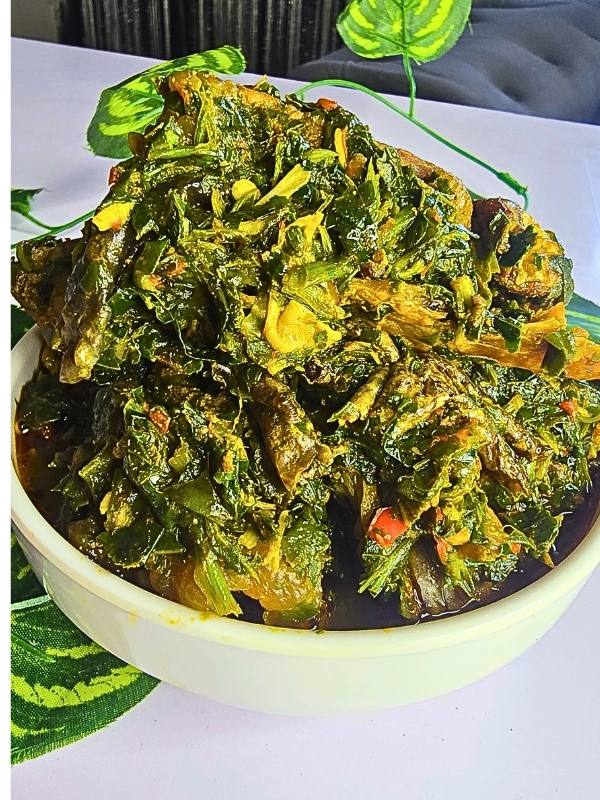
Easy Vegetable Soup Recipe (Step-by-Step for Beginners)
A Short Story: How I Enjoy My Vegetable Soup
There are meals that simply remind us of home, warmth, and happiness — and for me, vegetable soup is one of them. Whenever I make this dish, I feel deeply connected to my roots and culture. The aroma alone fills the kitchen with joy, while each spoonful tells a story of tradition, health, and love.
A few days ago, I decided to relive that feeling by preparing my favorite version of Nigerian vegetable soup. From the moment I gathered the ingredients, I could already imagine how rich and satisfying it would turn out.
Using fresh ugu leaves (fluted pumpkin) and waterleaf, a bit of stockfish, dry fish, and just the right amount of palm oil, I created a dish that carried both comfort and flavor.
The Joy of Cooking
It was a calm afternoon, and I wanted something light yet flavorful. As I looked through my kitchen shelves and saw the ugu leaves, waterleaf, and a few pieces of dry fish left from my previous cooking, I instantly knew what to make.
Without hesitation, I chose vegetable soup, a meal that always brings me comfort and warmth.
As the soup began to cook, the scent of boiling beef and palm oil slowly filled the air, drifting through the window and into the compound. My neighbor, catching the delicious aroma, peeked in and smiled, saying, “This soup smells too good to be for one person!”
We both laughed, and I gladly invited her to join me later. That simple moment reminded me how food naturally connects people.
The First Taste
When the soup was finally ready, I served it with a small portion of garri. The soft blend of vegetables and the deep, smoky flavor of the crayfish melted perfectly in my mouth.
Each bite felt like a reward after the simple effort of cooking. I ate slowly, savoring every spoonful — the rich palm oil, the tender beef, and the soft waterleaf all combining beautifully.
By the time I finished, I realized once again that food doesn’t just fill the stomach; it fills the heart.
Easy Vegetable Soup Recipe (Step-by-Step for Beginners).
Equipment
- 1 Knife. slicing of vegetables
Ingredients
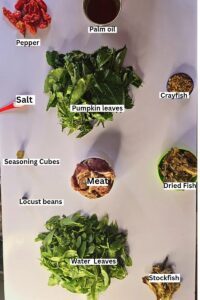
- 3 cups sliced ugu leaves Young, freshly sliced ugu leaves
- 2 cups sliced waterleaf Fresh, tender leaves (not tough stems)
- 1 handful stockfish Use well-softened head or body pieces
- 2 cubes seasoning cubes Maggi or Knorr
- 1 tablespoon Salt sea salt or regular table salt
- 1/2 kilo beef Use soft cuts like shank or chuck
- 1 teaspoon fermented locust beans Use a small amount of well-fermented iru (preferably the soft, paste-like type)
- 1 cup of palm oil Use fresh red palm oil (not bleached)
- ½ cup of dry fish Smoked catfish or panla works best
- 1 cup crayfish Use finely ground crayfish
- 1 tablespoon Fresh pepper Scotch bonnet (ata rodo)
Instructions
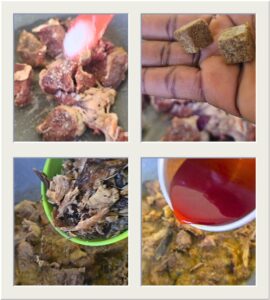
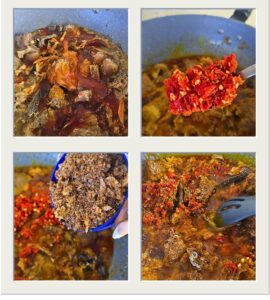
- Step 1: Steam the Meat: To begin, I steamed my beef and stockfish together with salt and seasoning cubes. Allowing them to cook slowly helped the meat absorb all the flavors before any liquid was added. This stage builds the foundation for the soup’s taste.

- Step 2: Add Dry Fish: Once the meat was tender, I added my washed dry fish. Then, I poured in a small amount of water and let everything simmer gently. At this point, the kitchen was filled with an irresistible aroma, and I knew the soup was well on its way.

- Step 3: Add Palm Oil and Pepper: Next, I stirred in the palm oil and fresh pepper. The mixture began to bubble softly, turning into a warm, golden red; the true color of a good Nigerian soup. The palm oil not only added flavor but also brought a depth and richness that tied everything together.
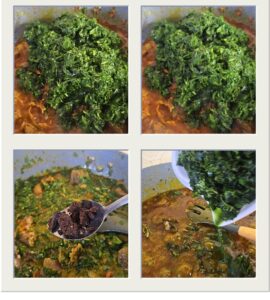
- Step 4: Add Crayfish and Waterleaf: After that, I added the crayfish and sliced waterleaf. Since waterleaf naturally releases moisture, I didn’t need to add extra water. I let it steam gently for about two minutes, stirring continuously so the ingredients blended well. By this time, the soup’s texture had become beautifully thick and inviting.
- Step 5: Add Ugu Leaves: Finally, I added the ugu leaves. I stirred gently and allowed the soup to simmer for another three minutes. Ugu gives the soup its body and green vibrance; it’s truly the heart of Nigerian vegetable soup. Once the leaves softened, I turned off the heat, and my soup was ready.

Notes
Ingredients Used on How to Cook Vegetable Soup:
To make this delicious and healthy meal, here’s what I used:
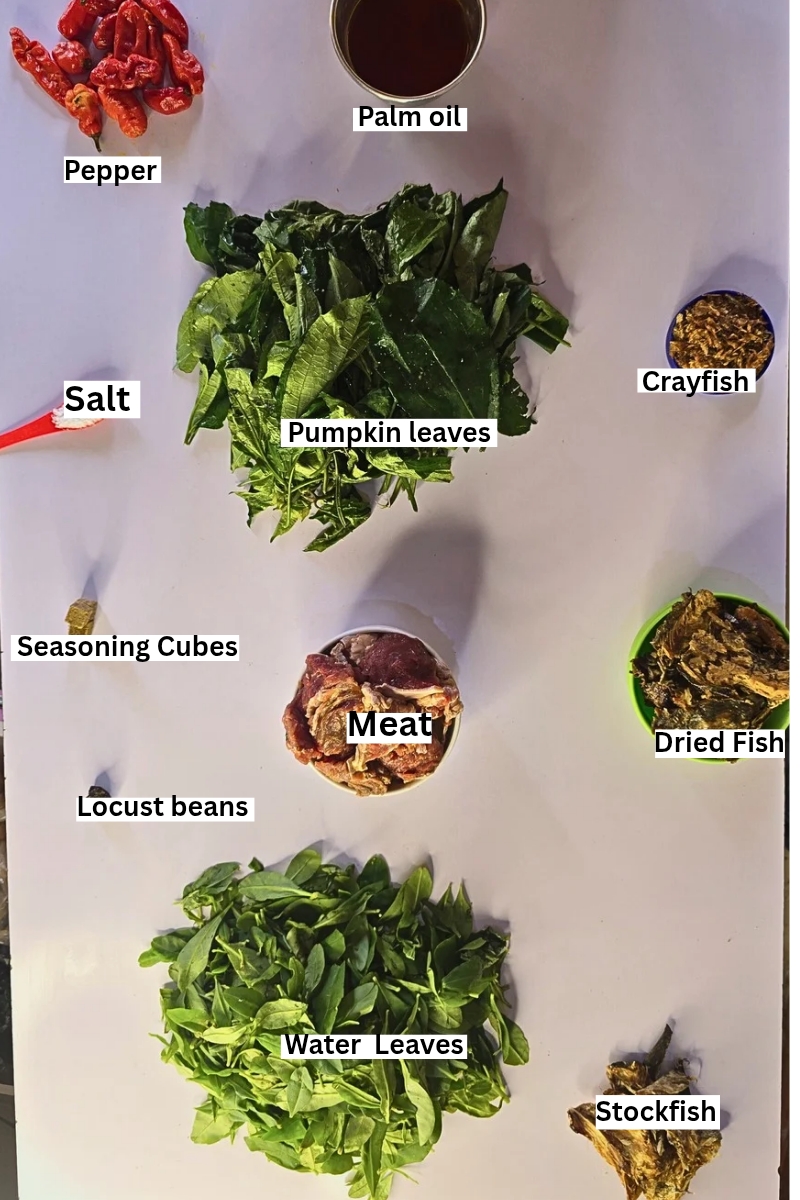
3 cups of sliced ugu leaves
2 cups of sliced waterleaf
A handful of stockfish
2 seasoning cubes
Salt to taste
Medium quantity of beef
Small-sized fermented locust beans (iru or ogiri)
1 cup of palm oil
½ cup of dry fish
1 cup of crayfish
Fresh pepper (to taste)
Each of these ingredients plays a vital role, and together they create that deep, authentic Nigerian flavor.
Step-by-Step Preparation on Easy Vegetable Soup Recipe
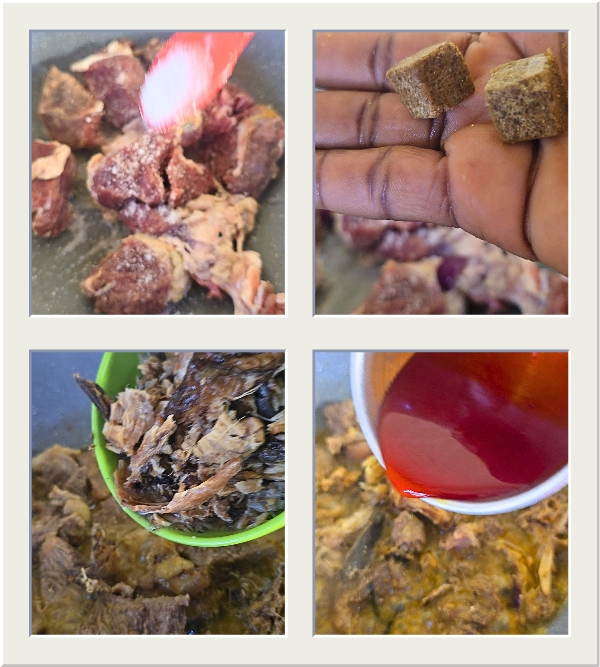
Cooking this soup is quite simple, but to get that rich, traditional taste, every step needs care and patience. Here’s how I prepared mine:
Step 1: Steam the Meat
To begin, I steamed my beef and stockfish together with salt and seasoning cubes. Allowing them to cook slowly helped the meat absorb all the flavors before any liquid was added. This stage builds the foundation for the soup’s taste.
Step 2: Add Dry Fish
Once the meat was tender, I added my washed dry fish. Then, I poured in a small amount of water and let everything simmer gently. At this point, the kitchen was filled with an irresistible aroma, and I knew the soup was well on its way.
Step 3: Add Palm Oil and Pepper
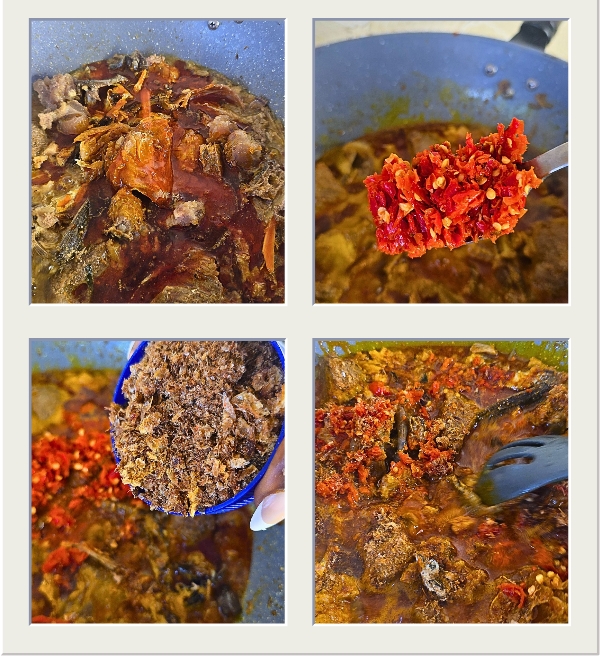
Next, I stirred in the palm oil and fresh pepper. The mixture began to bubble softly, turning into a warm, golden red — the true color of a good Nigerian soup. The palm oil not only added flavor but also brought a depth and richness that tied everything together.
Step 4: Add Crayfish and Waterleaf
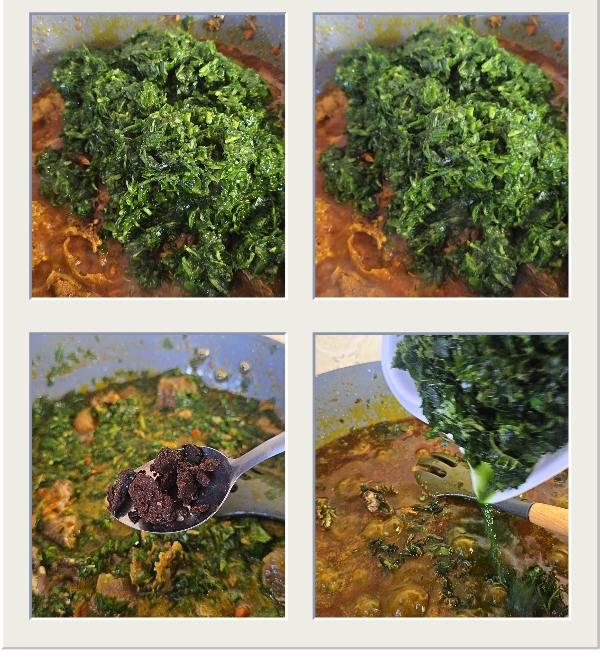
After that, I added the crayfish and sliced waterleaf. Since waterleaf naturally releases moisture, I didn’t need to add extra water. I let it steam gently for about two minutes, stirring continuously so the ingredients blended well. By this time, the soup’s texture had become beautifully thick and inviting.
Step 5: Add Ugu Leaves
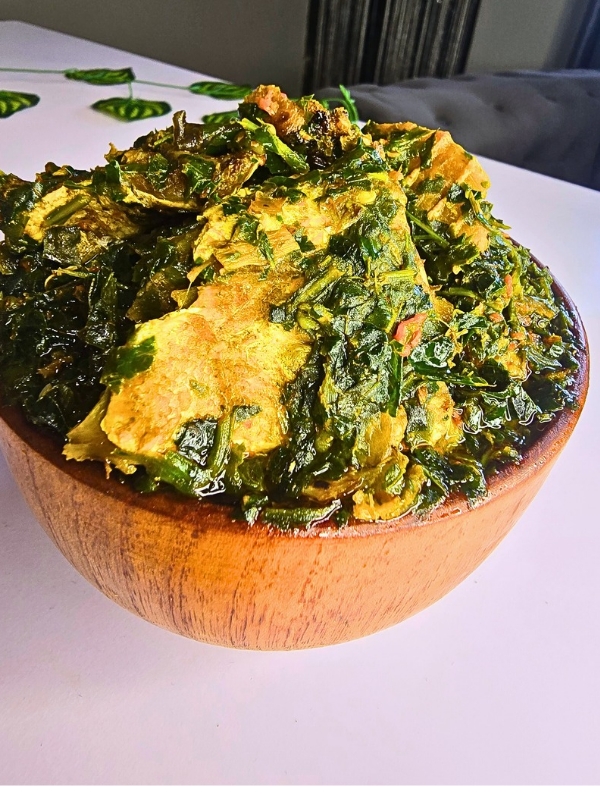
Finally, I added the ugu leaves. I stirred gently and allowed the soup to simmer for another three minutes. Ugu gives the soup its body and green vibrance; it’s truly the heart of Nigerian vegetable soup. Once the leaves softened, I turned off the heat, and my soup was ready.
Tips on Easy Vegetable Soup Recipe (Step-by-Step for Beginners)
To make your vegetable soup even more delicious, keep these tips in mind:
Use fresh vegetables: Fresh ugu and waterleaf bring out the best flavor and nutrients.
Avoid overcooking: Cook briefly to retain color and nutrients.
Balance the oil: Too much palm oil makes it heavy; too little makes it dry.
Add protein variety: Include shaki (cow tripe), snail, or goat meat if desired.
Serve immediately: Vegetable soup tastes best when hot and freshly made.
With these tips, your soup will always turn out flavorful and satisfying.
Health Benefits of Nigerian Vegetable Soup
Beyond its comforting taste, this soup is packed with nutrients. Both ugu and waterleaf are rich in iron, calcium, and vitamins that boost the immune system, improve digestion, and support healthy blood levels.
Palm oil, though rich, provides essential fats your body needs, while the meat, fish, and crayfish supply high-quality protein. So, in every spoonful, you’re not only enjoying great flavor but also nourishing your body.
Serving Suggestions
Nigerian vegetable soup pairs beautifully with many staples, giving you options depending on your preference. You can serve it with:
Garri (eba)
Pounded yam
Semovita
Fufu
Wheat meal
Or even boiled rice for a lighter touch
Whichever you choose, make sure to enjoy it hot, when the aroma and flavor are at their peak.
Why You Should Try This Recipe on How to Cook Vegetable Soup.
There are countless ways to make vegetable soup, but this particular method strikes the perfect balance between simplicity and richness. It’s flavorful, healthy, and ready in about 30 minutes — ideal for both family meals and quiet personal moments.
Even better, the soup tastes richer the next day, as the flavors deepen and blend perfectly overnight.
Frequently Asked On Easy Vegetable Soup Recipe (Step-by-Step for Beginners)
1. What are the main ingredients of vegetable soup?
The main ingredients of Nigerian vegetable soup include ugu (fluted pumpkin leaves), waterleaf, palm oil, beef, stockfish, dry fish, crayfish, fresh pepper, seasoning cubes, and salt.
In addition, many home cooks add fermented locust beans (iru) for a deeper traditional flavor. Together, these ingredients create a rich, thick, and highly nutritious soup.
2. How to prepare vegetable soup at home?
To prepare Nigerian vegetable soup at home, first steam your beef and stockfish with seasoning until tender. Next, add dry fish and a little water, then allow it to simmer. After that, stir in palm oil and fresh pepper to build color and richness.
Then, add crayfish and waterleaf, letting it cook until the soup thickens naturally. Finally, add ugu leaves and simmer briefly before turning off the heat. As a result, you get a flavorful, well-balanced Nigerian vegetable soup.
3. What is another name for vegetable soup in Nigeria?
In Nigeria, vegetable soup is commonly called Ugu soup or Edikang Ikong (in some regions). While the ingredients may vary slightly by tribe, the base idea remains the same—a rich soup made with leafy greens, palm oil, and assorted proteins.
4. What are the ingredients for vegetable soup in Nigeria?
The ingredients for Nigerian vegetable soup typically include ugu leaves, waterleaf, palm oil, beef, stockfish, dry fish, crayfish, fresh pepper, seasoning cubes, salt, and optional iru (fermented locust beans).
Sometimes, people also add goat meat or periwinkle for extra flavor. Overall, these ingredients combine to create an authentic Nigerian vegetable soup.
5. Old fashioned homemade vegetable soup
An old fashioned homemade Nigerian vegetable soup uses simple, fresh ingredients and traditional cooking methods. First, you season and steam the meat without water to lock in flavor.
Then, you gradually add fish, palm oil, and vegetables in stages. Unlike modern shortcuts, this method builds flavor slowly. Therefore, the soup turns out richer, thicker, and more authentic—just like it’s been made for generations.
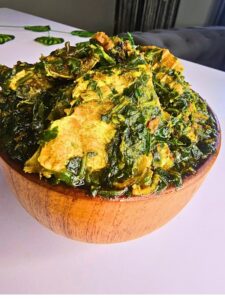
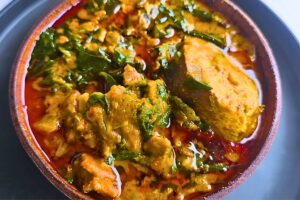
6. Vegetable soup picture
Conclusion on Easy Vegetable Soup Recipe (Step-by-Step for Beginners)
In the end, making vegetable soup is more than just a cooking activity — it’s a journey of connection. From washing the leaves to stirring the pot, every step reminds me of where I come from and the comfort of traditional meals.
Each time I prepare it, I’m grateful for the way food can bring both nourishment and joy. So, if you haven’t tried it yet, gather your ingredients, follow these steps, and let your kitchen come alive with the rich aroma of Nigerian vegetable soup.
Once you take that first spoonful, you’ll understand why this dish continues to hold a special place in every Nigerian home.
You May Also Like:
Melon Soup Recipe (Egusi Soup)
About The Author


You’ve done an amazing job here. Everything is well explained and very engaging.
I love thissss